Show summary Hide summary
FIFA World Cup 2026 kicks off in just 16 weeks—and the tournament’s scale is unprecedented. For the first time ever, 48 teams will compete across three countries in a format that changes everything about how the world watches soccer.
🔥 Quick Facts
- Dates: June 11 to July 19, 2026, across three host nations
- Tournament Format: 48 teams, 12 groups of four, 104 total matches
- Host Cities: 16 venues across USA (11), Mexico (3), and Canada (2)
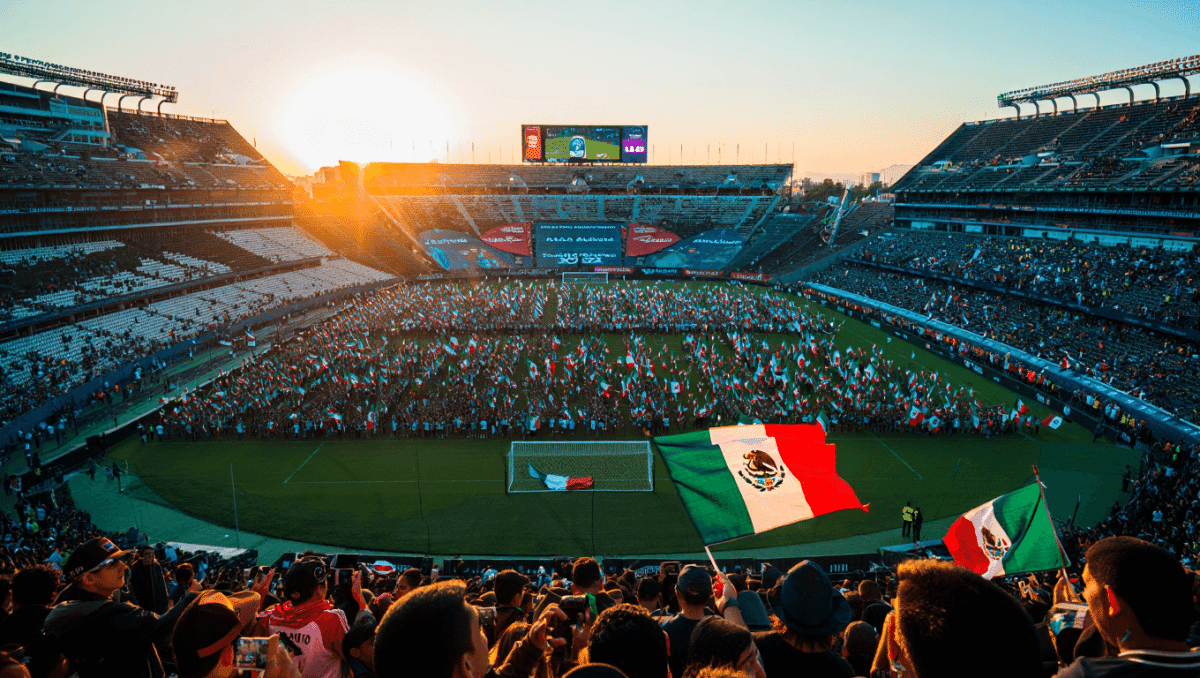
- Opening Match: Mexico vs South Africa at Estadio Azteca on June 11
Historic Expansion Changes Everything
The 2026 World Cup marks a watershed moment for international soccer. After 92 years of the traditional 32-team format, FIFA expanded to 48 nations, fundamentally reshaping qualification paths and tournament dynamics. This expansion means 16 additional countries get their shot at glory, from emerging soccer powers to nations hungry to prove themselves on the planet’s biggest stage.
The 48-team setup creates brand-new storylines. Instead of traditional single-elimination drama, group play becomes fiercer with four teams competing for two knockout spots. Top-two finishers plus eight best third-place teams advance, adding strategic complexity. Every result matters more than ever.
FIFA World Cup 2026 kicks off June 11 across USA, Mexico, Canada—here’s what you need to know
Trump account expansion could include adult retirement savings, report says
Three Countries, 16 Iconic Stadiums
This tournament shatters the single-host tradition. USA, Mexico, and Canada share hosting duties across 16 locations, offering unprecedented access for fans across North America. The United States features 11 stadiums including the famous AT&T Stadium in Dallas and SoFi Stadium in Los Angeles. Mexico contributes three venues, while Canada brings two major facilities to the continental showcase.
From coastal cities to Midwest hubs, fans will witness world-class soccer in diverse settings. The MetLife Stadium in New York, which will host the July 19 final, represents the grandest stage. Regional rotations mean fans worldwide can drive to matches rather than hop continents.
Tournament Format and Groups Explained
| Aspect | Details |
| Total Teams | 48 nations (expanded from 32) |
| Group Structure | 12 groups of 4 teams each |
| Total Matches | 104 games (group + knockout rounds) |
| Advancement | Top 2 plus 8 best third-place teams |
| Knockout Stage | 32 teams, single-elimination bracket |
The group phase runs June 11-24, with every nation playing three matches against group opponents. The knockout rounds intensify from June 29 onward, culminating in the semi-finals (July 14-15) and the grand finale on July 19.
“Hosts Mexico will open the biggest-ever edition of the World Cup on 11 June 2026 with the first of 104 matches which will be staged in 16 locations across three countries.”
— FIFA, Official Tournament Statement
Mexico Kicks Off Historic June 11 Opener
Mexico has the honor of launching the tournament as co-hosts. On Thursday, June 11, the Mexican national team faces South Africa at the iconic Estadio Azteca in Mexico City, the same venue that hosted the 1986 World Cup final. This venue becomes the first stadium ever to host three World Cup opening matches, a testament to its legendary status in soccer history.
By June 12, Canada and the United States join the action, bringing the home continent fully into the tournament. Every co-host nation plays its opening match within 48 hours, creating a continental soccer fever. The international community converges on North America for five weeks of nonstop, high-stakes soccer across multiple time zones.
What Makes 2026 Different From All Previous World Cups?
This tournament breaks every traditional rule. The 48-team format eliminates nearly all early-round blowouts—every match becomes meaningful. Second-and third-place finishers can still advance, creating dramatic final-day scenarios. Underdog nations get genuine chances. Powerhouse teams face tougher group stages without mercy rules.
Multi-country hosting spreads the tournament across vast geographies. Fans don’t need to travel to a single nation. American fans watch soccer in their backyard. Mexican supporters cheer at home stadiums. Canadians host matches in familiar cities. The infrastructure, logistics, and fan experience are reimagined for 2026. From June 11 through July 19, North America becomes the global center of the beautiful game. Will your nation make it through? Countdown begins now.
Sources
- FIFA – Official tournament schedule, venues, and format details
- ESPN – 48-team format analysis and group previews
- Fox Sports – 2026 schedule, dates, and venue information