Show summary Hide summary
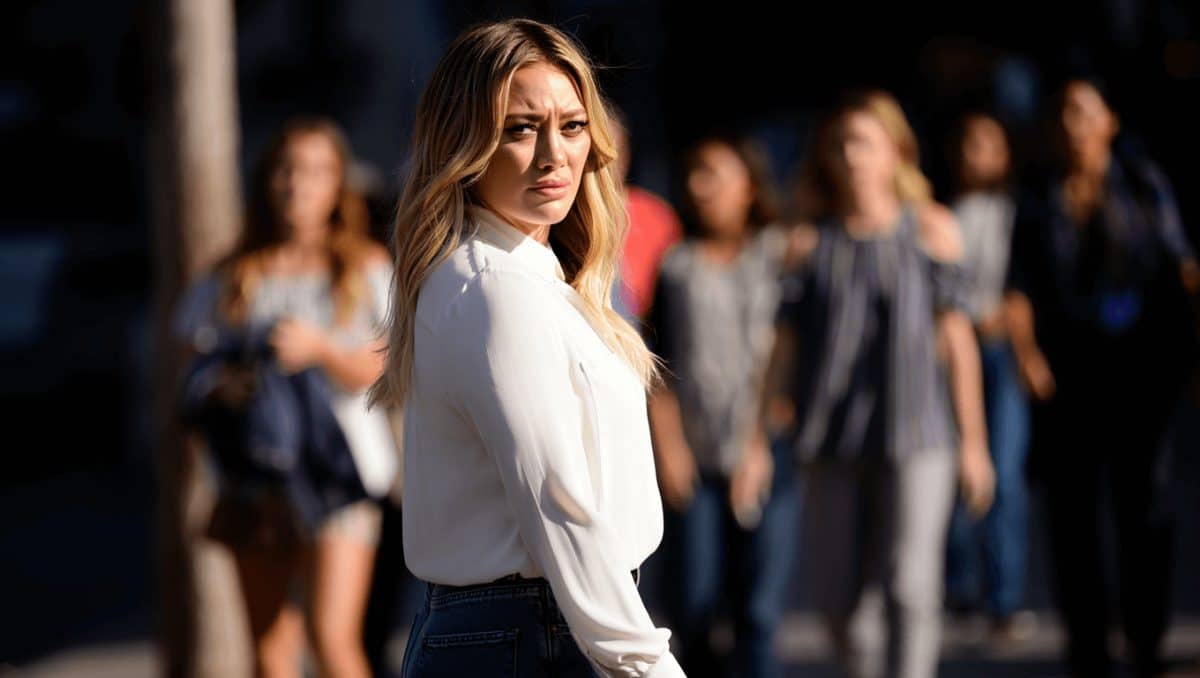
Hilary Duff says she’s weathered the fallout from Ashley Tisdale’s recent essay about leaving a “toxic” mom circle, and she’s pushing back against how easily private disputes become public drama. The exchange, which has spilled from a personal essay into Instagram jabs and wider commentary on social platforms, highlights how quickly parenting friendships among public figures can be amplified online.
What Duff said — and why it matters
In a Los Angeles Times interview published Friday, Duff framed the episode as part of a long-running experience with media scrutiny that began in her teens. She told the paper that being followed by paparazzi and chronicled online has made even private social tensions into public narratives, and that platforms like TikTok now accelerate and reshape those stories.
Toxic mom group drama resurfaces as Hilary Duff says it’s not new after Ashley Tisdale essay
Laura Ann Tull claims Eric Dane bullied her on Grey’s Anatomy set
Duff also pushed back on some of the online speculation about her relationships in the group, calling the other mothers “lovely” and saying she’s fond of them. The remarks came after her husband, musician Matthew Koma, posted a digitally altered image on Instagram that mocked Tisdale—an escalation that turned a written reflection into a social-media back-and-forth.
Ashley Tisdale’s essay: feeling pushed out
In her piece for The Cut last month, Tisdale described a pattern of social exclusion: being left off event invites, noticing her place at the table during gatherings, and receiving mixed signals after reaching out. She said those experiences revived old insecurities and left her feeling isolated in a phase of life that she expected to be supportive.
She recounted attempts to reconcile that fell flat—one friend sent flowers but later ignored her, another suggested others simply assumed she’d already been invited. Tisdale concluded the piece by urging readers to seek communities that make them feel genuinely liked rather than second-guessing their place, even when an online feed looks cheerful.
Why this story is unfolding now
There are three overlapping dynamics at play that explain the rapid spread and sting of these accounts:
- Celebrity visibility: Established stars carry histories that make private moments newsworthy.
- Social media amplification: Short-form platforms can reframe nuance into shareable accusations or memes.
- Parenting expectations: Parenthood is often portrayed as a communal experience, so exclusion can feel especially painful and visible.
The combination makes ordinary interpersonal friction into a cultural moment, with reputational consequences for those involved and a broader conversation about how adults navigate friendship under public pressure.
What to take away
Beyond celebrity headlines, the episode carries a few practical implications for parents and public figures:
- Online narratives rarely capture full context—first-person essays can prompt sympathy and criticism alike.
- Good-faith outreach doesn’t always resolve hurt; visible gestures can coexist with private distance.
- For people in the public eye, social media responses (or those from close associates) can escalate rather than defuse tensions.
For now, both women remain in the public eye while their private conflict plays out online. The episode underscores how parenting communities, celebrity status and fast-moving social platforms can turn interpersonal slights into widely consumed stories — and why many public figures now approach friendship and visibility with extra caution.