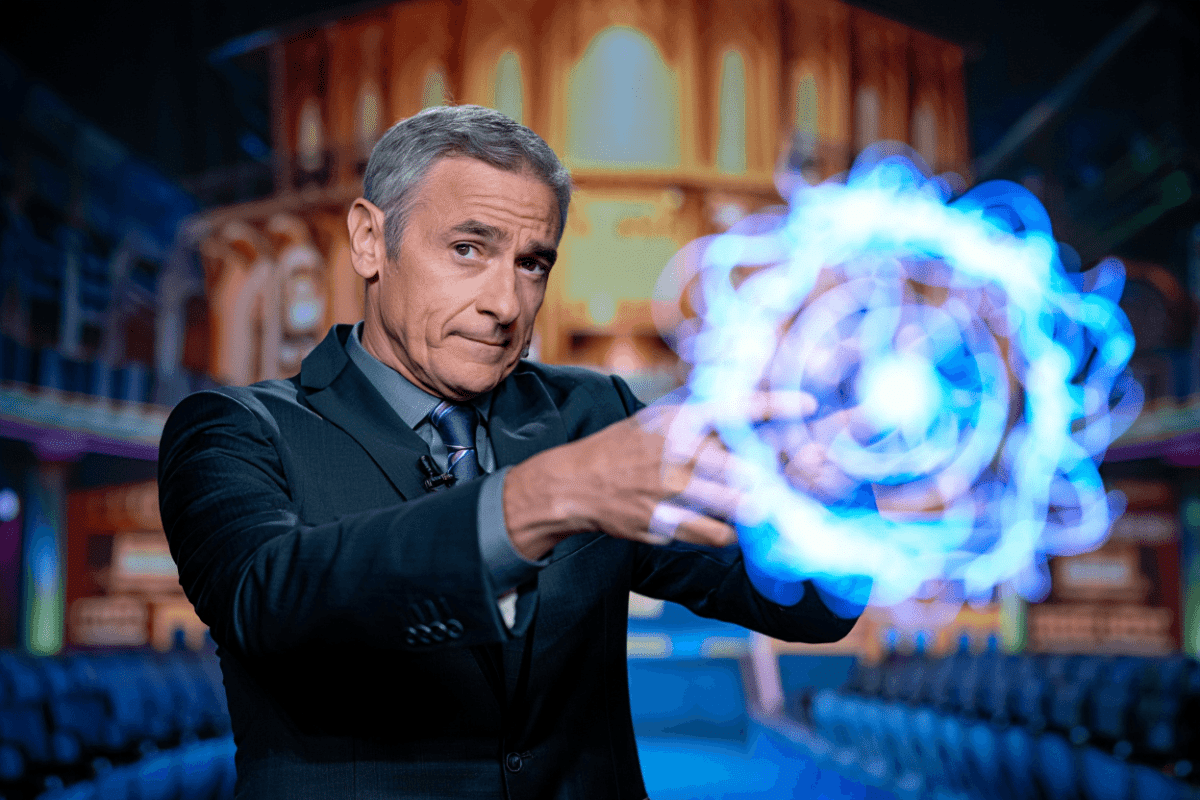
Stephen Colbert ended his 11-year run hosting The Late Show on May 21, 2026, with a 77-minute finale featuring a star-studded parade of celebrity cameos and a surreal wormhole that transformed the historic Ed Sullivan Theater into a snowglobe. The final episode aired on CBS at 11:35 p.m. ET, closing a defining era for late-night television that shaped political discourse and comedy for over a decade.
🔥 Quick Facts
- The Late Show premiered September 8, 2015, replacing David Letterman’s era on The Late Show franchise
- CBS canceled the show in July 2025, citing “purely a financial decision against a challenging backdrop in late night”
- May 21, 2026 finale featured Paul McCartney as the final guest, who performed The Beatles’ “Hello, Goodbye” with Jon Batiste
- Multiple celebrity cameos included Jon Stewart, Steven Spielberg, Bruce Springsteen, and dozens of surprise guests throughout the week
A Decade Defining Late-Night Television
When Stephen Colbert took over The Late Show in September 2015, he inherited a program with three decades of history. The transition marked the first time since 1993 that CBS had handed the keys to a new host for the franchise, following David Letterman’s legendary 33-year tenure. Colbert’s version of the show became a fixture in American culture, distinctive for its sharp political commentary and willingness to directly engage with current events.
Over 11 seasons and 1,810 episodes, Colbert established himself not merely as an entertainer but as a cultural commentator. The show’s opening monologues became required viewing during pivotal moments in American politics, and his interviews often provided platforms for newsmakers, activists, and artists to speak freely about consequential topics.
The Final Week: A Legendary Guest Roster
CBS announced in July 2025 that The Late Show would conclude after Colbert’s contract ended. The network stated the cancelation was “purely a financial decision against a challenging backdrop in late night,” though observers noted the timing and circumstances generated considerable discussion about broadcast television’s future.
The final week of May 18-21 featured an extraordinary lineup assembled specifically to honor the show’s legacy. Jon Stewart, Colbert’s longtime collaborator and contemporary, appeared as one of the week’s headliners. Steven Spielberg joined for interviews, as did rock legend Bruce Springsteen. Other notable guests included Julia Louis-Dreyfus, Pedro Pascal, Billy Crystal, “Weird Al” Yankovic, Jim Gaffigan, Amy Sedaris, and Mark Hamill.
May 21: The Wormhole Finale and Musical Encore
The May 21 finale opened with Colbert‘s characteristic wit intact. In his opening monologue, he downplayed the occasion with jokes about New York news stories, refusing to treat the moment as overly sentimental. However, the episode’s closing segment departed entirely from conventional late-night format.
Paul McCartney appeared as the final guest in what sources describe as a “full-circle moment.” The legendary musician conducted an interview with Colbert before a taped sketch emerged showing both men at a giant light switch in the Ed Sullivan Theater. When they pulled the switch, an interdimensional wormhole materialized, creating the show’s surreal visual punctuation mark.
The wormhole proceeded to envelope the entire Ed Sullivan Theater, shrinking it into a snowglobe in a deliberate homage to the St. Elsewhere television finale. McCartney then performed The Beatles’ “Hello, Goodbye” with Colbert and bandleader Jon Batiste contributing backup vocals. The show’s theme played as the Late Show exit sequence concluded the broadcast.
The Wormhole as Creative Statement
| Finale Element | Function |
| The Interdimensional Wormhole | Metaphorical departure; represented walking through an unknown passage forward |
| Dialogue with Jon Stewart | Explored the wormhole as existential symbol; acknowledged uncertainty ahead |
| Snowglobe Transformation | Reference to classic TV finale (St. Elsewhere 1988); suggested artificiality and reflection |
| Beatles Performance | Historical echo; The Beatles performed on Ed Sullivan Theater over 60 years prior |
The wormhole sequence invited metaphorical interpretation beyond typical late-night send-offs. Jon Stewart engaged Colbert in dialogue about the passage, telling him: “The only choice you have is how to walk through it.” The statement captured the show’s final sentiment—uncertainty tempered with agency and dignity.
“We were lucky. We got to do something we loved for people we cared about.”
— Stephen Colbert, Final Late Show Episode, May 21, 2026
What The Finale Reveals About Late-Night Television
Colbert‘s decision to employ surreal imagery rather than sentimentality reflected a fundamental truth about the show’s identity. Throughout his tenure, The Late Show had never retreated from absurdity as a tool for processing serious moments. The wormhole finale maintained that consistency.
The appearance of Paul McCartney specifically resonated because of historical weight. The Ed Sullivan Theater, where Colbert had broadcast for 11 years, hosted The Beatles on February 9, 1964—one of television’s most consequential broadcasts. By bringing McCartney back to that same stage as the final guest, the finale created a narrative bridge spanning decades. The location itself became a character in the story.
Why The Timing of This Cancelation Still Matters
CBS described the cancelation as a “financial decision,” yet timing and context fueled broader speculation. Colbert had been an outspoken political commentator throughout his tenure, particularly during politically divisive national moments. Industry observers noted that the announcement arrived during a period of media consolidation and shifting advertising economics in broadcast television.
The network emphasized that Colbert was “irreplaceable” and pledged to retire the Late Show franchise entirely rather than replace him. This choice stood in contrast to how networks had handled previous late-night transitions, signaling respect for the host’s unique cultural position while simultaneously acknowledging broadcast late-night’s diminishing commercial viability.
What Happens to Late Night After Colbert?
The conclusion of The Late Show with Stephen Colbert marks the end of an era for CBS and the entire broadcast late-night landscape. The network now faces decisions about how to program that 11:35 p.m. ET time slot going forward. Unlike previous transitions where CBS promoted successors or brought in new talent, the company’s decision to retire the Late Show franchise suggests a strategic shift away from traditional late-night comedy-talk programming.
Streaming platforms and cable networks have already absorbed significant portions of the audience that once made broadcast late-night appointment television. Colbert‘s departure reflects a broader industry reckoning about the future viability of nightly broadcast comedy programming in an era of on-demand content and fragmented media consumption.
Sources
- USA Today – Reported celebrity guest lineup and finale details
- NPR – Covered wormhole ending and metaphorical significance
- The New York Times – Analysis of Colbert’s series finale and career legacy
- CBC News – Entertainment recap of finale highlights and Ed Sullivan Theater significance
- Rolling Stone – Documented Paul McCartney’s final guest appearance
- PBS NewsHour – Covered CBS cancelation announcement and industry context