Show summary Hide summary
John Davidson’s Tourette’s outburst at BAFTAs sparked a divisive debate about disability understanding and institutional responsibility. The Scottish disability campaigner, whose life inspired the nominated film I Swear, shouted involuntary tics including a racial slur during Sunday’s ceremony in London. What unfolded reveals hard truths about compassion versus harm.
🔥 Quick Facts
- Event Date: February 22, 2026 at Royal Festival Hall in London
- The Incident: Davidson shouted involuntary tics multiple times, including a racial slur when Michael B. Jordan and Delroy Lindo presented the visual effects award
- BBC Response: Failed to bleep the outburst despite the broadcast having a two-hour delay
- Film Impact: I Swear won best casting and actor Robert Aramayo won best actor, sparking wider Tourette’s awareness
What Happened During the 2026 BAFTAs Ceremony
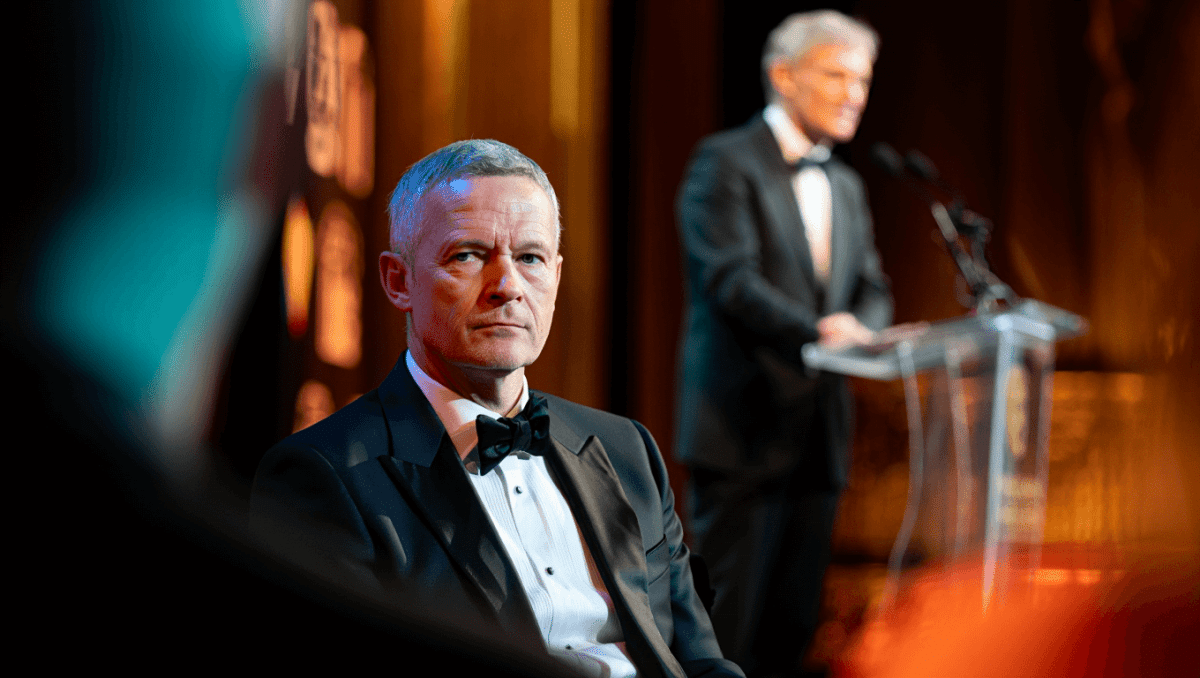
John Davidson, a Tourette’s syndrome campaigner and MBE recipient, was seated in the audience at London’s Royal Festival Hall. Throughout the evening, attendees heard multiple involuntary vocal outbursts from Davidson. The most shocking moment came when Michael B. Jordan and Delroy Lindo took the stage to present the best visual effects award. Davidson shouted a racial slur audible throughout the broadcast.
The outbursts weren’t isolated incidents. Davidson also yelled ‘shut the fuck up’ during opening remarks and ‘fuck you’ during the Boong directors’ acceptance speech. Host Alan Cumming interrupted his monologues several times to explain the nature of Tourette’s syndrome to the audience. Davidson left the ceremony around 25 minutes after the Jordan-Lindo presentation, reportedly of his own accord.
John Davidson’s Tourette’s outburst at BAFTAs sparks debate on disability understanding
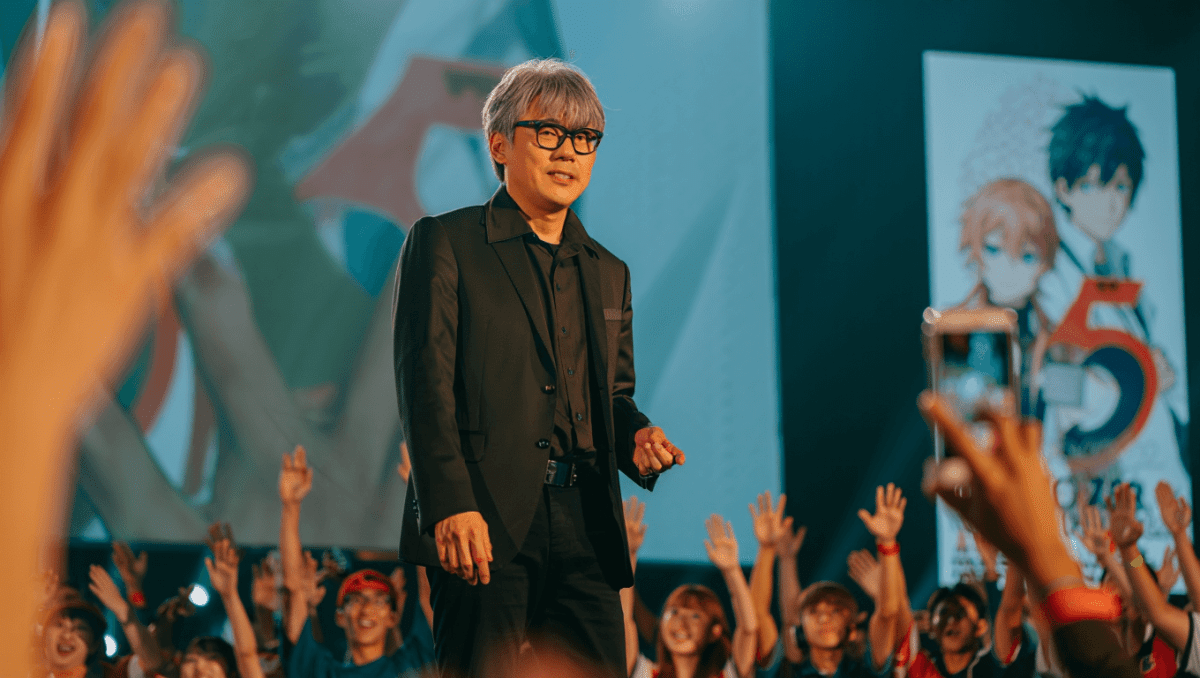
Yoko Taro tapped to write new Evangelion anime series on 30th anniversary
Why The BBC’s Handling Sparked Massive Backlash
The controversy centers on one critical fact: the BBC broadcast had a two-hour delay, yet the offensive language was never bleeped. The broadcaster could have edited the racial slur before airing on BBC One and iPlayer. Instead, viewers heard it uncensored. A BBC spokesperson apologized, stating the language ‘arose from involuntary verbal tics associated with Tourette syndrome.’
British politicians immediately criticized the decision. Conservative Party leader Kemi Badenoch told Good Morning Britain the BBC made ‘a horrible mistake.’ Film industry figures were equally frustrated. Hannah Beachler, production designer of Sinners, called the situation ‘impossible’ and criticized the ‘throw-away apology,’ noting Davidson targeted her outside the venue after dinner.
The Two-Sided Debate Over Disability and Harm
| Perspective | Key Arguments |
| Disability Advocates | Tourette’s tics are involuntary with no control. Actor Robert Aramayo won Best Actor and urged understanding. Coprolalia affects only 10-30% of patients. Need public education. |
| Critics & Victims | Jamie Foxx called outburst ‘unacceptable.’ Wendell Pierce demanded priority be given to Michael B. Jordan and Lindo as primary victims. BBC should have bleeped slur regardless of cause. |
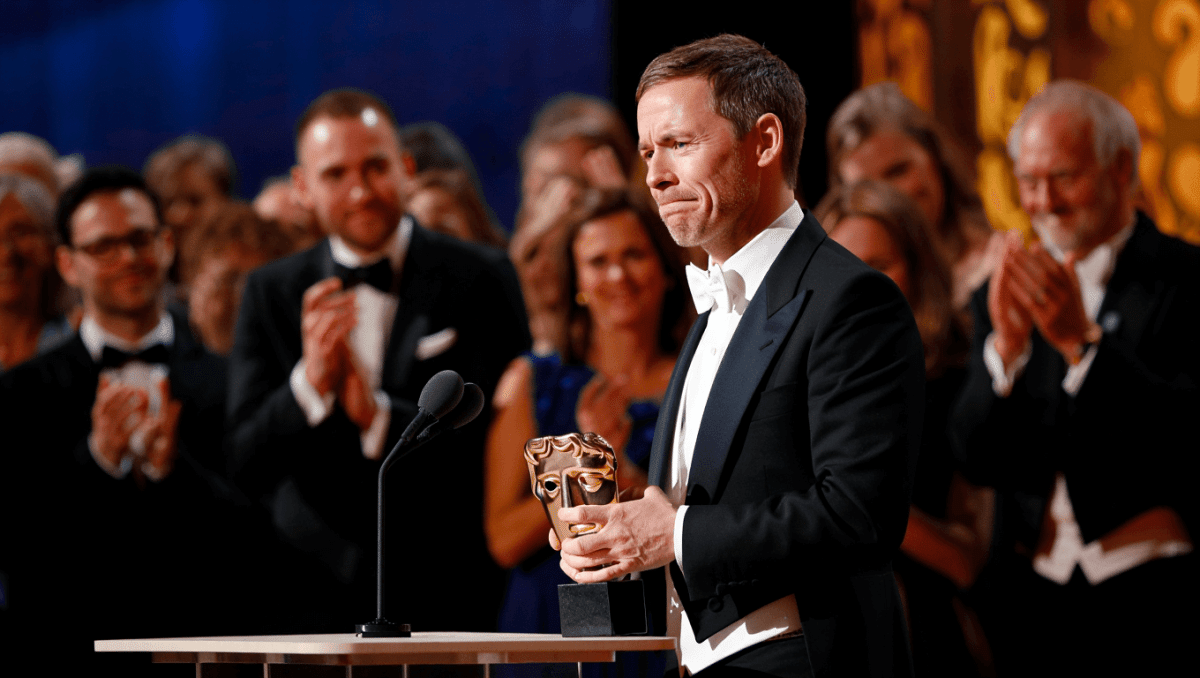
Robert Aramayo, who won Best Actor playing Davidson in I Swear, delivered a powerful acceptance speech. ‘John Davidson is the most remarkable man I ever met,’ Aramayo said, adding that people living with Tourette’s ‘need support and understanding.’ He emphasized that the film explores the daily reality of living with this neurological condition.
Pippa McClounan from Tourette’s Action charity explained to BBC News that tics are ‘involuntary’ and ‘in no way reflection’ of what the person is thinking. Yet many in the industry questioned whether institutional care and sensitivity could have prevented broadcasting the slur. The debate isn’t whether Davidson intended harm, but whether the BBC had a duty to edit.
How This Moment Exposes Industry Gaps in Disability Support
Floor managers informed attendees beforehand that Davidson had Tourette’s and might exhibit involuntary outbursts. Yet no one anticipated the specific harm of a racial slur broadcast nationally. The incident reveals gaps in protocols. Should vulnerable attendees have been briefed about potentially offensive language? Should broadcast delays exist for editorial control?
Conservative politician Kemi Badenoch directly challenged the BBC: ‘They need to explain why it wasn’t bleeped out.’ Industry insiders debate whether accommodating neurodivergent guests means accepting uncensored harm. The situation highlights the tension between disability rights and protecting vulnerable audiences.
Will the BAFTAs Controversy Change How Awards Shows Handle Diversity and Disability?
The 2026 BAFTAs incident reveals deeper questions about institutional accountability. Can award shows create truly inclusive spaces while managing potential harms? How do we balance understanding disabilities with protecting those harmed by tics? These questions will likely dominate behind-the-scenes industry conversations for months.
I Swear’s success indicates growing appetite for Tourette’s representation. The film earned six nominations and sparked widespread education about the condition. Yet this moment shows that visibility without institutional responsibility can backfire, harming the very community seeking acceptance and understanding.
‘Tourette’s syndrome is a disability and the tics you have heard tonight are involuntary, which means the person who has Tourette syndrome has no control over their language. We apologise if you were offended.’
— Alan Cumming, BAFTA Host
Sources
- BBC News – Official BBC statement and quote from Tourette’s Action charity communications manager
- Variety – Detailed coverage of Alan Cumming’s statements and Robert Aramayo’s acceptance speech
- The Hollywood Reporter – Comprehensive breakdown of the incident, Hannah Beachler’s response, and industry reactions