Show summary Hide summary
John Davidson’s involuntary Tourette’s tics disrupted the 2026 BAFTA Awards on February 21. Host Alan Cumming paused twice to ask the audience for understanding, sparking global conversation about disability visibility at major events.
🔥 Quick Facts
- The Activist: John Davidson MBE, born June 1, 1971, diagnosed with Tourette’s at age 15
- The Incidents: Multiple involuntary outbursts heard during live BBC broadcast from London’s Royal Festival Hall
- The Response: Alan Cumming made two on-air statements explaining involuntary vocal tics
- The Film: “I Swear” inspired the moment, with Robert Aramayo winning Best Leading Actor BAFTA
Unexpected Moment Reshapes Awards Coverage
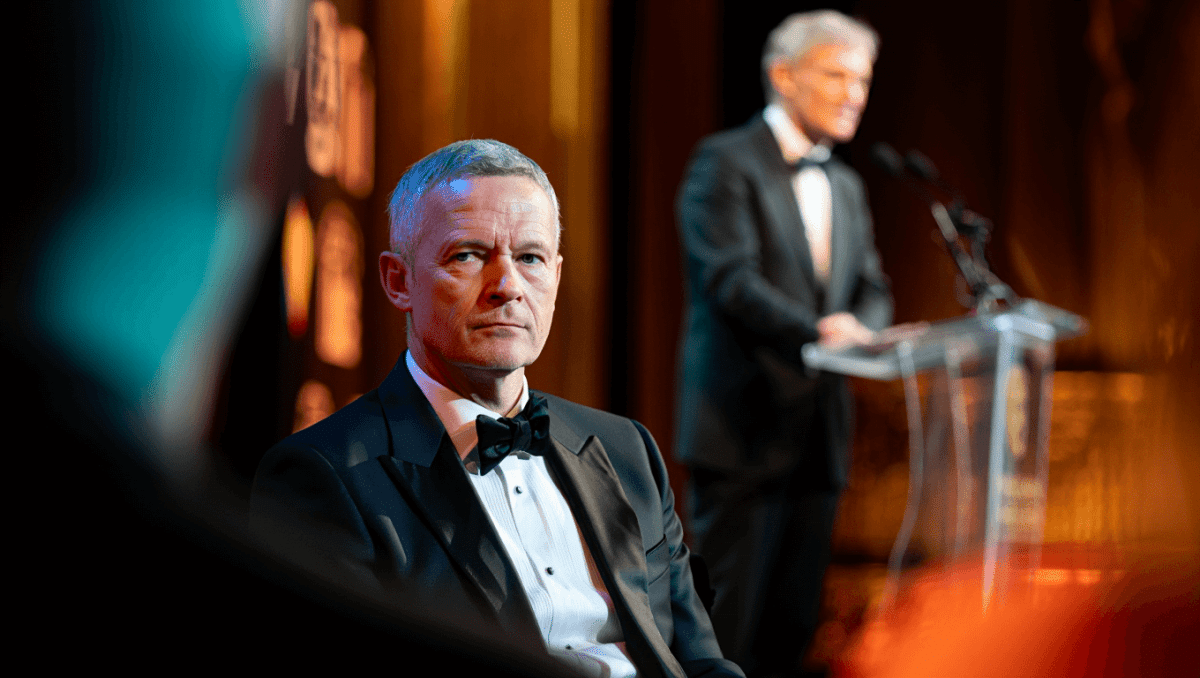
Sunday evening’s BAFTA Film Awards took an unexpected turn when John Davidson, a Scottish Tourette’s syndrome campaigner, experienced multiple involuntary vocal tics. The live broadcast from Royal Festival Hall captured uncontrolled outbursts including expletives and racial slurs. Alan Cumming, hosting his debut BAFTA ceremony, handled the moments with grace. He paused proceedings to explain the neurological condition to viewers unfamiliar with Tourette’s manifestations.
Davidson left the venue of his own accord during the second half, explaining sources, without being asked to leave. The BBC broadcast included the outbursts, sparking immediate online discussion about disability representation and inclusion at prestigious events.
John Davidson’s tics disrupt BAFTA Awards, host addresses Tourette’s syndrome
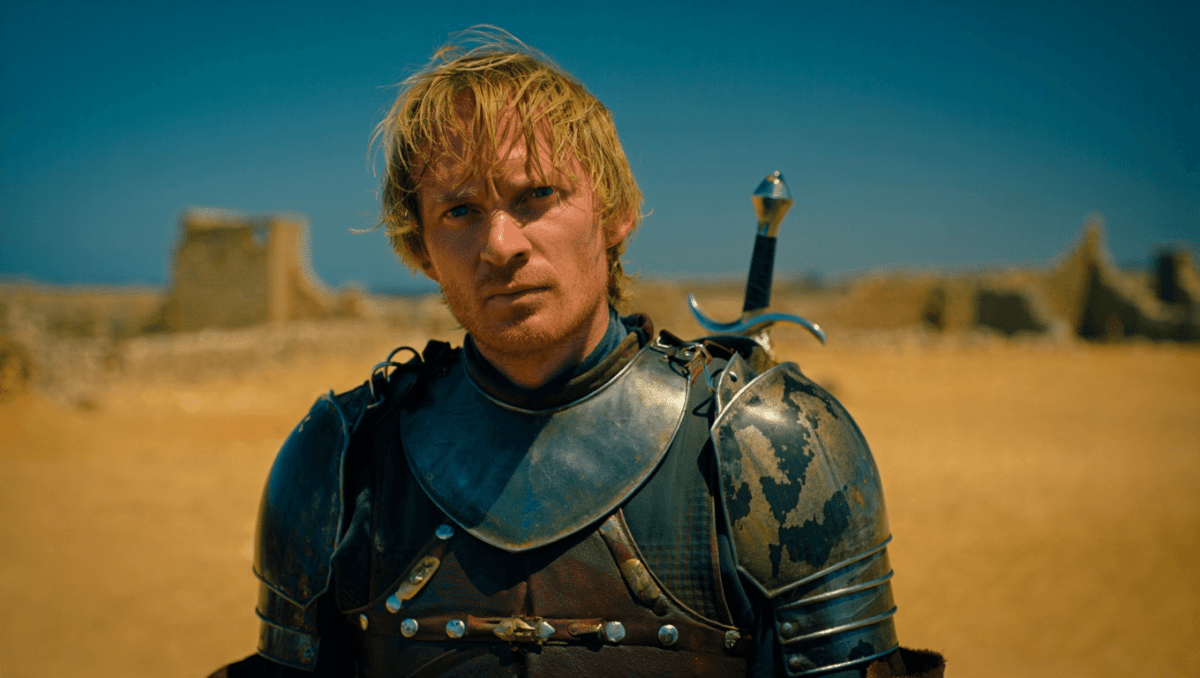
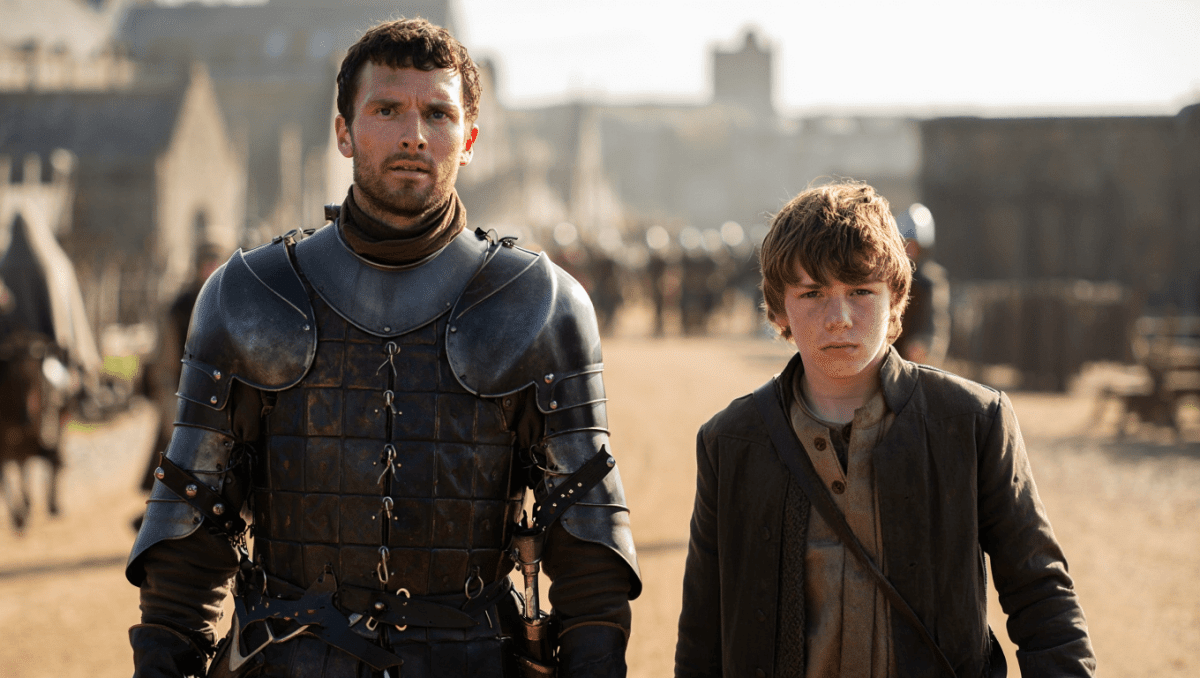
Knight of the Seven Kingdoms season 2 arrives 2027, Dorne explored next
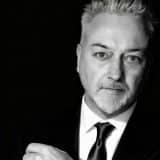
Who Is John Davidson and Why His Presence Mattered
John Davidson MBE, now 54 years old, became the reluctant face of Tourette’s awareness at age 16. His appearance in the BBC documentary “John’s Not Mad” in 1989 introduced millions to Tourette syndrome, a neurological disorder causing involuntary motor and vocal tics. Davidson was honored with an MBE for his decades of advocacy, education, and efforts to destigmatize the condition.
Living in Galashiels, Scotland, Davidson has spent over 40 years campaigning for understanding. His life story inspired the BAFTA-nominated film “I Swear,” which premiered to critical acclaim. The film explores his journey managing tics in a society that initially viewed the condition with fear and misunderstanding.
“I Swear” Film Triumphs Despite Controversy
The 2026 BAFTA Awards celebrated “I Swear,” a powerful biopic directed by Kirk Jones. Robert Aramayo, known for “The Lord of the Rings: The Rings of Power,” earned Best Leading Actor for his nuanced portrayal of Davidson. The film also received nominations for Best Supporting Actor (Peter Mullan), Best Original Screenplay, and Outstanding British Film.
| Award Category | Status |
| Best Leading Actor | WON (Robert Aramayo) |
| Best Supporting Actor | Nominated (Peter Mullan) |
| Best Original Screenplay | Nominated |
| Outstanding British Film | Nominated |
In his acceptance speech, Aramayo praised Davidson’s commitment to education and called for greater support for people living with Tourette’s. Aramayo also won BAFTA’s Rising Star award, recognizing emerging talent in cinema.
“John Davidson is the most remarkable man I ever met. He’s so forthcoming with education and he believes there should be still so much more we need to learn about Tourette’s. They need support and understanding.”
— Robert Aramayo, Actor, during BAFTA acceptance speech
How Host Alan Cumming Addressed the Live Disruptions
Alan Cumming, making his BAFTA hosting debut, navigated the situation with professionalism and compassion. After the first outburst during BAFTA chair Sara Putt’s opening remarks, Cumming paused the ceremony. He explained to viewers, including Prince William and Princess Catherine, that Tourette’s tics can involve involuntary vocalizations.
Later, during the visual effects award presentation with actors Michael B. Jordan and Delroy Lindo, another outburst occurred. Cumming made a second announcement clarifying that Tourette Syndrome is a recognized disability and that involuntary language occurs without the person’s control. He asked the audience for compassion, setting a tone of education rather than mockery.
What Does This Moment Mean for Disability Representation Going Forward?
The BAFTA incident has already sparked important conversations about neurodiversity, inclusion, and accessibility at major awards ceremonies. Disability rights advocates praised John Davidson for his continued presence despite his condition. Tourettes Action, a UK support charity, reported record outreach from viewers wanting to learn about Tourette syndrome.
Some viewers expressed frustration online, while others celebrated the moment as an opportunity for education. Emma McNally, CEO of Tourettes Action, noted that “I Swear” and its awards visibility have deepened public understanding of the condition. The film’s success signals that audiences increasingly value authentic storytelling about lived disability experiences over sanitized narratives.
Watch the official “I Swear” trailer:

Sources
- Variety – Comprehensive coverage of Alan Cumming’s on-air responses and Davidson’s background
- BBC News – Details on John Davidson’s 40-year advocacy and Tourette syndrome awareness
- CNN International – International perspective on the ceremony disruption and disability discourse