Show summary Hide summary
60 Minutes just tackled two stunning stories tonight. McDowell County, West Virginia faces a humanitarian crisis as cuts to food stamps and Medicaid loom. Meanwhile, AI art is transforming museums and auction houses, sparking fierce debate about what counts as creativity.
🔥 Quick Facts
- McDowell County: Poverty rate stands at 34%, with median household income around $30,000
- SNAP Crisis: One in three households depend on food stamps to feed families
- Population Collapse: Declined from nearly 100,000 during coal boom to roughly 17,000 today
- AI Art Market: Museums and major auction houses now feature artificial intelligence creations
The Forgotten County Deep in Appalachia
McDowell County was once the wealthiest corner of America, bustling with coal miners earning top-dollar wages. That era ended decades ago. Today, approximately 17,000 residents scrape by in what has become one of the poorest places in the nation. Correspondent Cecilia Vega documented the human toll of industrial collapse and government abandonment.
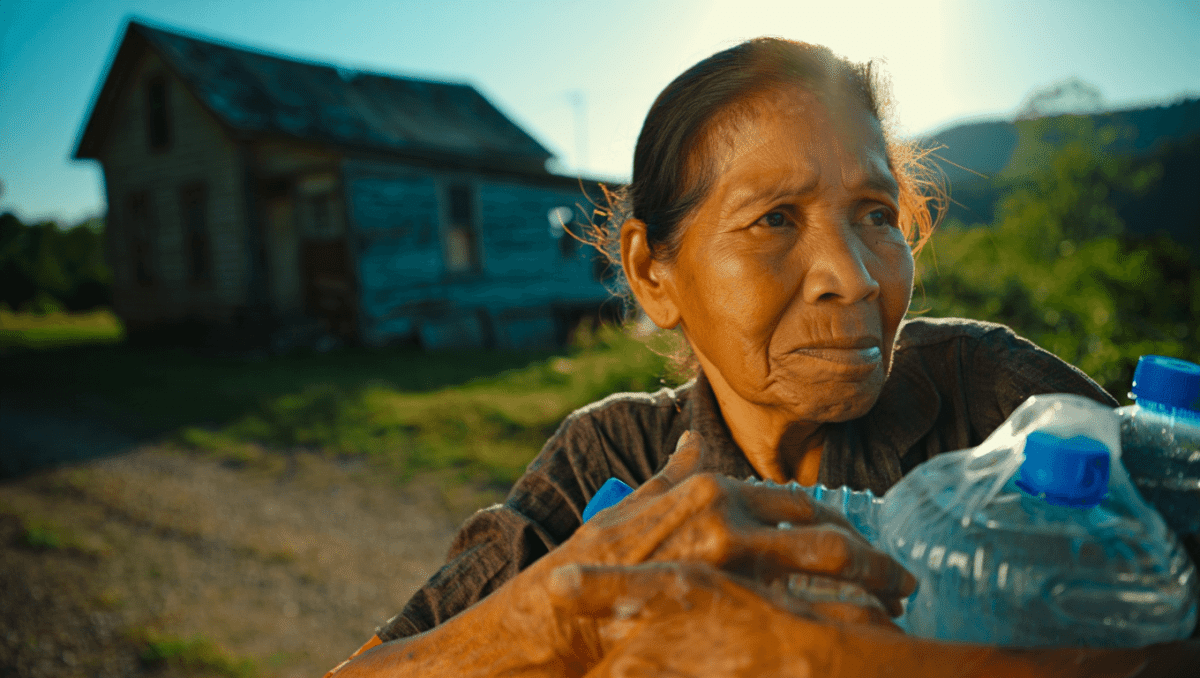
The county’s physical infrastructure mirrors its economic devastation. Residents struggle with a water crisis so severe that some families haven’t showered in six years. Tap water runs brown or black from aging, corroded pipes. Pastor Brad Davis, who leads churches across the county, called the situation unacceptable. People fill water jugs from abandoned mine shafts, unable to afford bottled water they desperately need.
60 Minutes explores poorest US county, AI art debate tonight on CBS
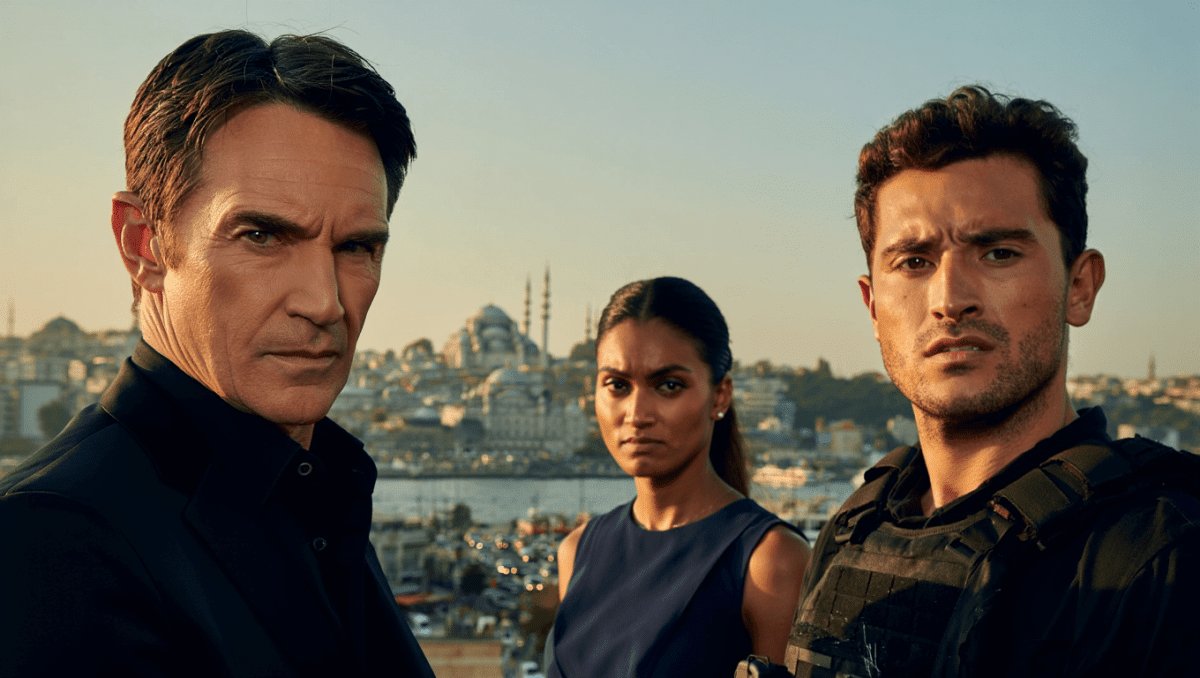
Night Agent season 3 cast features Stephen Moyer, Genesis Rodriguez, more
Food Insecurity and Impossible Choices
Linda McKinney runs the country’s largest food bank, Five Loaves and Two Fishes, distributing backpacks of food to over 100 children weekly so they eat on weekends away from school. Yet families still go hungry. Tabitha Collins, a single mother of six, works full-time at a nonprofit but cannot cover basics. In December, she faced both an electric bill and a shut-off notice simultaneously, forced to choose which of her children’s needs mattered most.
The opioid epidemic has decimated the region, claiming an entire generation of parents. Extended family members like Collins now raise multiple children on inadequate wages and benefits. The government shutdown last fall briefly stripped families of SNAP assistance, making an already-dire situation worse.
Massive Cuts Threaten Already-Fragile Lives
The crisis is about to intensify dramatically. SNAP and Medicaid benefits face sweeping cuts totaling over $1 trillion over the next decade following major federal policy changes. States must absorb more costs while recipients face stricter work requirements. Tens of thousands of West Virginians are expected to lose benefits entirely.
Political leaders promise change, but residents have heard such promises before. McDowell County backed Barack Obama in 2008 and Bernie Sanders in 2016, yet neither presidency transformed the region. Many cling to promises of coal’s revival, though reality remains stubborn. Pastor Davis observes that people feel abandoned, with neither Democrats nor Republicans demonstrating genuine commitment to the county’s revival.
| Metric | McDowell County |
| Population (2026) | Approximately 16,591 |
| Poverty Rate | 34.18% |
| SNAP Dependency | One in three households |
| Median Household Income | Approximately $30,000 |
“No one’s going to come and save us. We save each other.”
— Linda McKinney, Food Bank Director
AI Art Reshapes the Meaning of Creativity
In stark contrast, the world of fine art is experiencing explosive transformation through artificial intelligence. Prestigious museums and major auction houses now actively showcase AI-generated artwork, drawing both wonder and fierce backlash. 60 Minutes examined whether AI creations qualify as legitimate art or represent a threat to human artists. The question divides the creative community like few others, pitting innovation against tradition.
Some artists view AI as a revolutionary collaborative tool. A pioneering artist featured in the segment emphasized that human-AI collaboration opens possibilities impossible to achieve alone. Data goes in, art comes out, the correspondent explained, as machines process millions of training examples to generate novel visual compositions. Museums are pushing these works into prominent spaces, legitimizing AI art as a serious medium.
Does Human Creativity Have a Future in the AI Era?
Yet the backlash is substantial and principled. More than 6,000 artists signed petitions demanding auction cancellations, arguing that generative AI models were trained on copyrighted work without permission or compensation. Christie’s controversy surrounding its “Augmented Intelligence” auction capsulated the debate perfectly. Some call AI art a gimmick exploiting artists’ intellectual property. Others see it as the inevitable next chapter in creative evolution.
What remains unclear is whether human artists and AI systems are destined to compete or collaborate. The answer will likely shape which careers survive economic disruption and which forms of expression define the 21st century.