Kumail Nanjiani opened the 78th Directors Guild of America Awards in Beverly Hills with a sharp, topical monologue that mixed historical critique with contemporary barbs — reminding attendees that Hollywood’s past and its present reputations remain under scrutiny. His jokes about the guild’s former name and a quip referencing the Jeffrey Epstein files put a spotlight on how entertainment figures balance humor with accountability.
Speaking from the Beverly Hills Hotel stage on Feb. 7, Nanjiani addressed the DGA’s fraught history by revisiting the award previously named for director D.W. Griffith, whose 1915 film helped institutionalize racist imagery in American cinema. He noted the guild did not remove Griffith’s name until decades later, a delay that underscored broader conversations about how institutions reckon with problematic legacies.
The host didn’t linger in historical critique alone. He used the platform to rib contemporary cinema — including a dig at Ryan Coogler’s record-16-nomination drama — and to land a pointed joke that referenced the high-profile names that have surfaced in the Jeffrey Epstein documents. The remark landed in a room filled with the industry’s most prominent directors and creatives.
DGA Awards’ racist past drew mockery from Kumail Nanjiani and included an Epstein joke
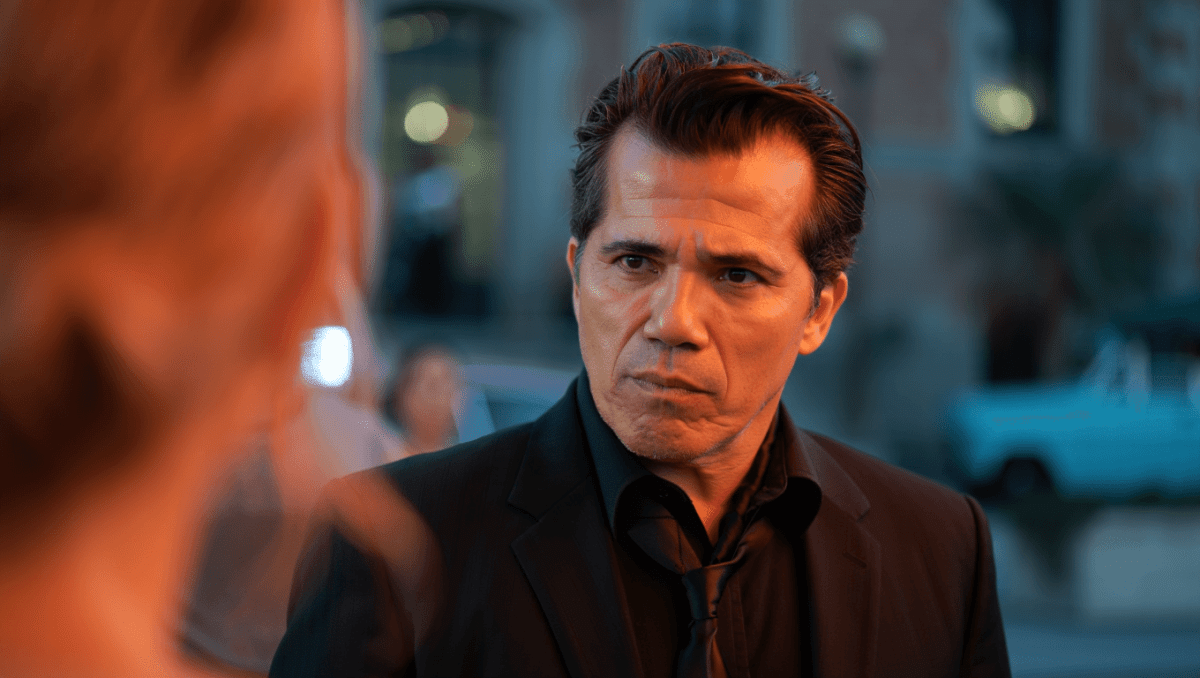
Pablo Escobar gets new take on Hulu with John Leguizamo in Dear Killer Nannies
- Historical reckoning: Nanjiani reminded the audience that the DGA lifetime achievement prize bore Griffith’s name for roughly 50 years before being renamed — a moment he framed as overdue.
- Hollywood satire: He lampooned recent films and the industry’s portrayals of race, using self-aware humor to critique representation on screen.
- Epstein reference: A joke about the Epstein files called out celebrities linked in the records, underscoring how off-screen controversies continue to shadow public figures.
Why this resonated
For viewers and industry insiders alike, the monologue mattered because it leaned into two persistent issues: how Hollywood confronts its past, and how it handles present controversies tied to powerful individuals. When a host on a major guild stage references both, it signals that those topics remain central to the profession’s public conversation.
Nanjiani also paused for a sincere note on the role of directors. He acknowledged the craft’s power to reflect shared humanity and cultural difference, framing filmmaking as both a civic and artistic responsibility in uncertain times.
The event itself — a high-profile awards night where peers celebrate craft — became a platform for that balancing act: comedy and critique, celebration and accountability. For an industry navigating calls for transparency and change, those tensions are likely to reappear in future ceremonies and public statements.
Key moments to watch going forward:
- How guilds and awards bodies continue to address historical figures tied to racist or exclusionary works.
- Whether high-profile gatherings increasingly mix entertainment with public reckoning on ethics and power.
- How filmmakers respond on-screen to social concerns that Nanjiani suggested should be central to storytelling.
As the DGA night made clear, awards season remains more than a round of trophies; it’s a lens on the industry’s evolving standards and the conversations that will shape its next chapters.