Show summary Hide summary
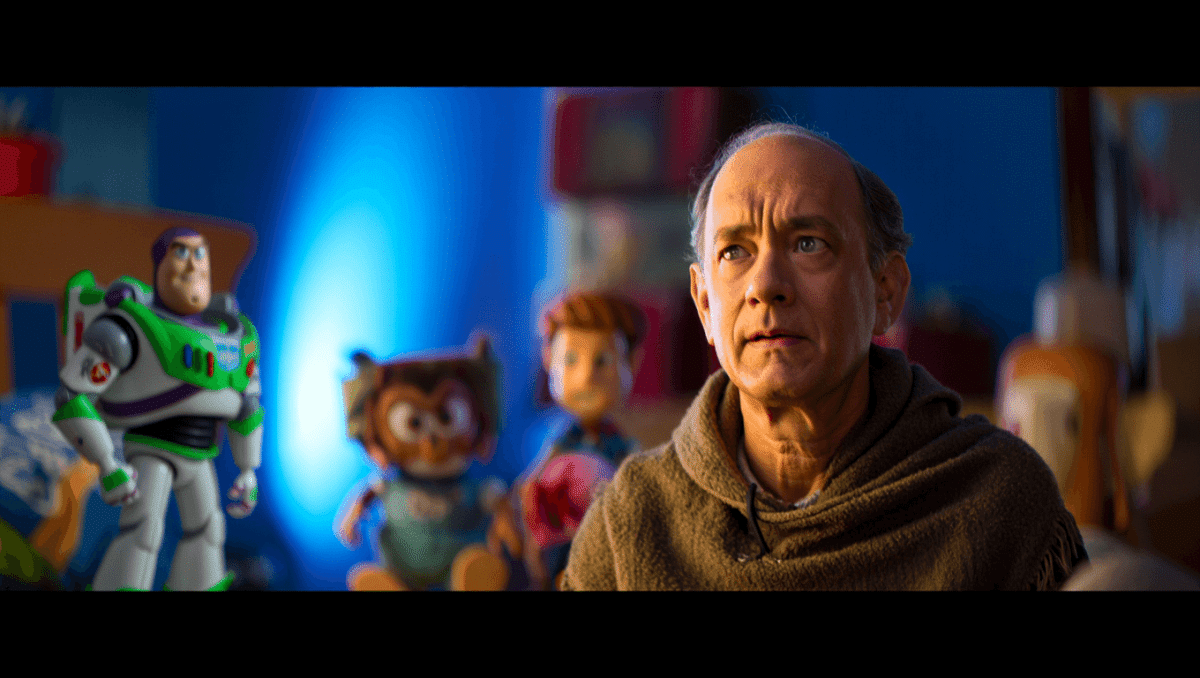
Woody’s back and he’s bald in Toy Story 5, and the transformation reveals far more than just age. The iconic cowboy returns with a new poncho and receding hairline to battle the biggest threat toys have ever faced: technology. June 19, 2026 marks the start of a new era where Woody, Buzz, and Jessie must confront a world obsessed with screens.
🔥 Quick Facts
- Release Date: June 19, 2026, exclusively in theaters
- Central Conflict: Toys vs. Technology, featuring the Lilypad smart tablet as the new antagonist
- Voice Cast: Tom Hanks, Tim Allen, Joan Cusack return with Greta Lee and Conan O’Brien joining
- Director: Andrew Stanton, with Kenna Harris co-directing and Lindsey Collins producing
Why Woody is Balding: The Aging Toy Crisis
Woody’s baldness symbolizes the passage of time and the growing concern about toy relevance. The iconic cowboy has aged visibly, marking a significant departure from his perpetually youthful appearance. This visual change isn’t cosmetic. Seven years have passed since Toy Story 4, and the toys are showing their wear. According to reports, Tom Hanks’ voice performances reflect the character’s maturity, adding gravitas to the story. The bald spot becomes a powerful metaphor for obsolescence. Woody’s physical transformation mirrors the existential threat facing all toys: becoming forgotten in a screen-dominated world.
Pixar intentionally aged the beloved characters to heighten the emotional stakes. Jessie and Buzz also reflect the passage of time, though Woody’s baldness takes center stage. This visual storytelling choice demonstrates Pixar’s commitment to character authenticity and evolution. The poncho Woody wears suggests he’s adapted to life outside Bonnie’s room after the events of Toy Story 4. Director Andrew Stanton described the narrative as exploring how legacy toys respond to today’s technology.
Lili Reinhart turns heads in bold see-through look at SXSW
Aliens.gov registered by Trump admin, here’s what we know about the mystery
The Tech Takeover: Lilypad vs. Traditional Play
Technology emerges as the real antagonist in Toy Story 5. The Lilypad smart tablet represents the modern plaything that has captured kids’ attention worldwide. Bonnie’s obsession with her new device directly threatens the toys’ purpose and relevance. The film explores a genuinely contemporary conflict. Woody and Buzz must rally to convince children that traditional toys still matter. This isn’t a simplistic anti-tech message. Rather, Pixar examines the inevitable shift in how children play and form relationships.
Conan O’Brien voices a character called Smarty Pants, adding comedic tension to the tech-versus-toys narrative. The ensemble including Joan Cusack’s Jessie, Tony Hale, and Blake Clark joins Woody’s mission to save kids from being consumed by electronics. Greta Lee introduces Lilypad, a sophisticated AI-powered tablet that challenges everything the toys believed about their importance. The conflict drives deeper than simple destruction. Toy Story 5 asks philosophical questions about purpose, relevance, and connection in an increasingly digital age.
Pixar’s Animation Evolution: Technology Behind the Tech Takeover
Pixar deployed cutting-edge animation technology to bring Toy Story 5 to life. The studio introduced RenderMan 27, featuring groundbreaking rendering advances that replace its previous architecture. Pixar’s AI integration improves character movement, lighting dynamics, and rendering speed. The irony is profound: Pixar uses advanced technology to tell a story about technology’s impact. Andrew Stanton and Kenna Harris leveraged these innovations to create unprecedented visual depth.
| Production Element | Details |
| Release Date | June 19, 2026 |
| Director | Andrew Stanton |
| Co-Director | Kenna Harris |
| Producer | Lindsey Collins |
| Studio | Disney and Pixar |
The animation pipeline incorporates machine learning for natural motion capture and AI-enhanced lighting systems. RenderMan improvements significantly reduce rendering times while boosting visual fidelity. Every toy’s aging process required meticulous texture and detail work. Woody’s bald spot required advanced material simulation to look authentic and emotionally resonant. Pixar’s technical achievements match the emotional depth of the storytelling.
“It’s been a hilarious and poignant journey exploring how our favorite team of legacy toys might respond to today’s world of technology, and we’re thrilled to share this first glimpse with audiences.”
— Andrew Stanton, Director and Screenwriter
The Cast Returns: 30 Years of Voice Acting Legacy
Tom Hanks continues as Woody after voicing the character for 30 years across five films. Tim Allen reprises Buzz Lightyear, with Joan Cusack returning as Jessie alongside Blake Clark and Tony Hale. The continuity in voice acting provides emotional continuity that audiences have cherished for decades. Reports indicate Hanks’ voice performances now carry audible gravitas, reflecting Woody’s maturity. New cast members Greta Lee and Conan O’Brien bring fresh energy to expand the toy universe. Lee’s Lilypad brings sophistication and charm, while O’Brien’s comedic timing adds levity.
Pixar deliberately kept core casting intact while strategically introducing new characters. The original voice actors aged with their roles, creating authentic emotional territory. Joan Cusack, Tom Hanks, and Tim Allen have become inseparable from their characters. According to AV Club reviewers, the actors’ ages show in their vocal performances, adding unexpected poignancy. This casting approach deepens the film’s exploration of aging and relevance. The audience hears not just voice actors, but legends who’ve grown alongside beloved characters.
Will Woody’s Return and Pixar’s Future Direction Mark a New Era for Animation?
Toy Story 5 arrives at a pivotal moment for Disney and Pixar. Inside Out 2 grossed over $1.5 billion globally in 2024, proving audiences still crave Pixar’s emotional storytelling. The original feature Hoppers launches in March 2026, setting momentum before Toy Story 5’s June release. Industry observers see Toy Story 5 as a critical barometer for Pixar’s direction. Will the studio continue exploring existential themes through beloved franchises? Andrew Stanton’s vision positions toys not as toys, but as vessels for exploring human connection in the digital age.
The film’s central question resonates beyond children. Adults confronting technology’s role in parenting will find unexpected depth in Woody’s journey. Pixar’s willingness to age characters visually and narratively suggests the studio trusts audiences with mature themes. Toy Story 5 won’t ignore the elephant in the room, offering instead nuanced examination of change, obsolescence, and finding meaning in rapidly evolving worlds. Whether Woody’s baldness and poncho become iconic symbols like his cowboy hat and vest depends entirely on how audiences embrace this new chapter of storytelling.
Sources
- Variety – Comprehensive coverage of Toy Story 5 trailer release and cast details
- Pixar Official – Director statements and production information from official channels
- Entertainment news outlets – TMZ, BuzzFeed, IGN coverage of character design and animation technology