Show summary Hide summary
- 🔥 Quick Facts
- Tyra Banks Faces Stunning Revelations About Her Leadership Role
- Disturbing On-Set Misconduct and Lack of Safety Protocols
- Body Shaming, Forced Cosmetic Surgery, and Extreme Makeovers
- The Most Shocking Behind-the-Scenes Drama and Regrets
- What Does Netflix’s Impact Mean for How We Remember Early 2000s Reality TV?
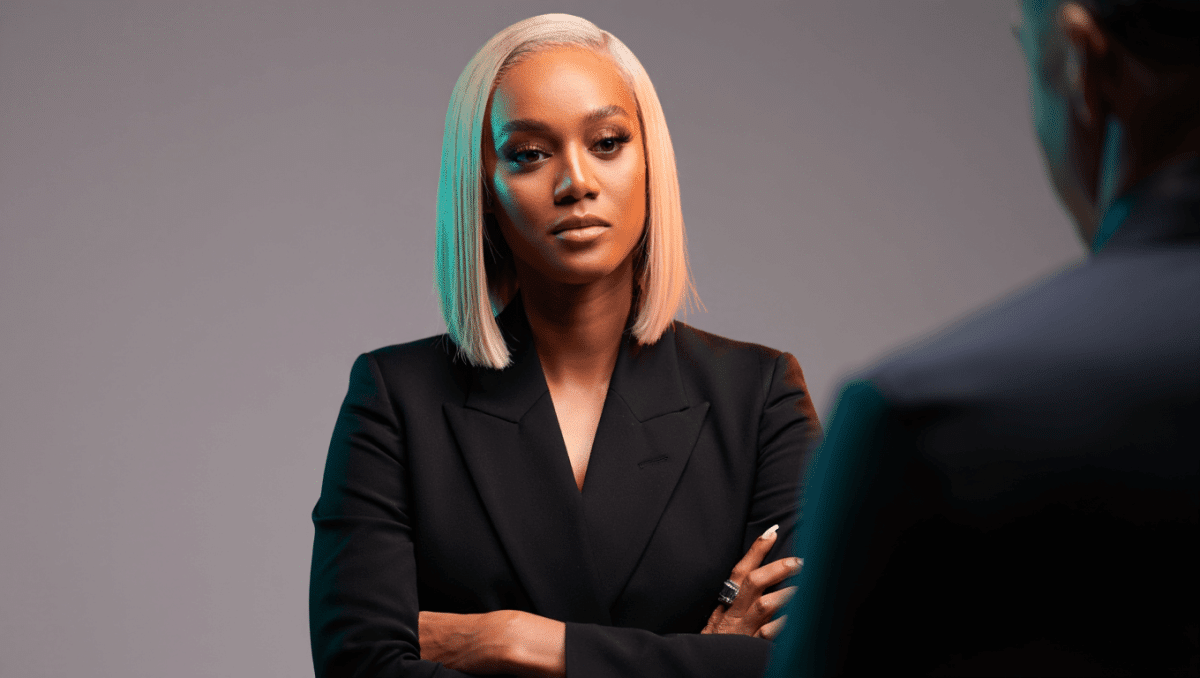
Netflix’s ANTM documentary unpacks the controversial legacy of America’s Next Top Model. Released February 16, 2026, Reality Check: Inside America’s Next Top Model features jaw-dropping revelations about body shaming, sexual misconduct, and explosive behind-the-scenes drama. The three-part series includes candid interviews with Tyra Banks, judges, and former contestants who reflect on the show’s most troubling moments from its 24-season run (2003 to 2018).
🔥 Quick Facts
- Release Date: All 3 episodes dropped on Netflix February 16, 2026
- Directors: Mor Loushy and Daniel Sivan created the unflinching documentary
- Key Players: Tyra Banks, Ken Mok, Jay Manuel, Miss J, Nigel Barker interviewed
- Major Themes: Body shaming, racial insensitivity, unsafe conditions, judge misconduct
Tyra Banks Faces Stunning Revelations About Her Leadership Role
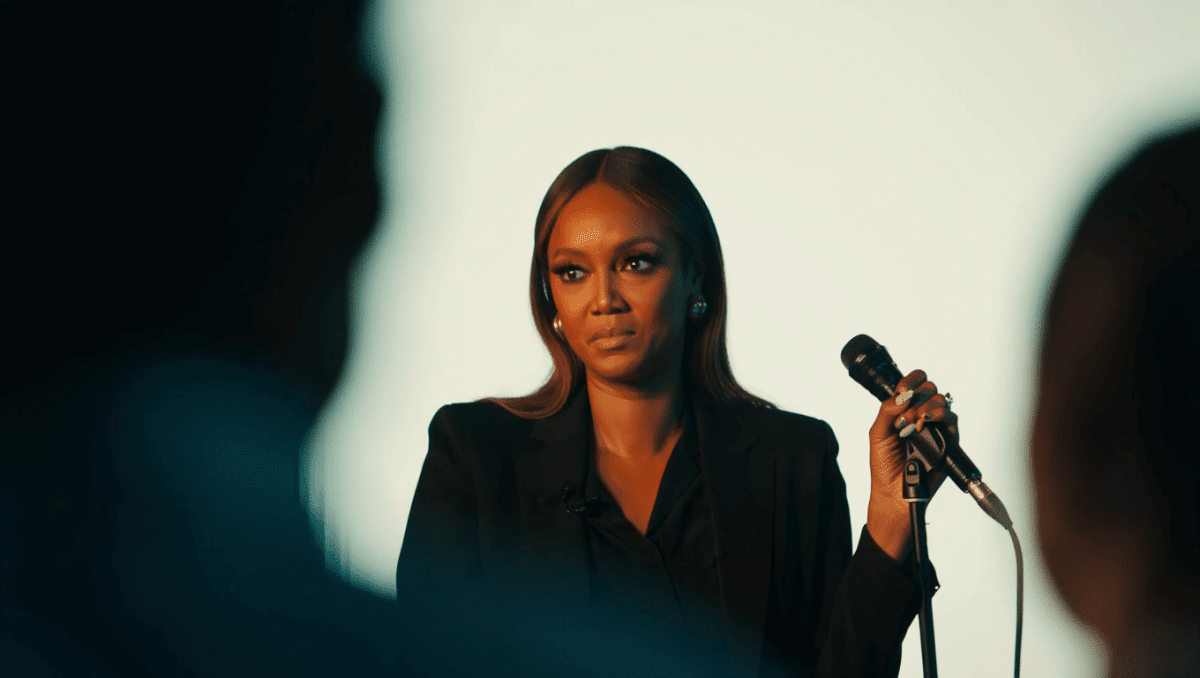
Tyra Banks takes significant heat in the documentary for her controversial decisions. In one of the most explosive moments, Jay Manuel reveals that Banks put him in “psychological torture” after he tried to leave the show. Manuel sent a respectful email in season 8 explaining the show was “chipping away at my soul.” Banks responded with a simple, curt message: “I am disappointed.” After that, the network effectively silenced Manuel, forbidding him from speaking with Banks off-camera for years. Manuel describes the emotional toll it took, saying the situation felt “broken” and cruel.
The most viral moment may be Banks’ reaction to cycle 4 contestant Tiffany Richardson. The famous meltdown screaming “I was rooting for you! We were all rooting for you!” is shown in archives. However, Jay Manuel reveals on camera that what was broadcast was toned down, and producers had to bring in lawyers the next week. The creative director refuses to repeat the “really not well-intentioned” comments Banks allegedly made in that room.
Love is Blind season 10 drops new episodes with shocking couple drama, heartbreak
America’s Next Top Model documentary reveals shocking Tyra Banks moment
Disturbing On-Set Misconduct and Lack of Safety Protocols
The documentary’s most serious allegations focus on production’s failure to protect vulnerable contestants. In cycle 2, contestant Shandi Sullivan lost her virginity on camera while heavily intoxicated and blacked out. Sullivan rightfully questions why producers didn’t intervene and remove her from the situation. Executive producer Ken Mok disturbingly justified this by saying “We treated ANTM as a documentary”, treating real human harm as raw footage.
Cycle 4 contestant Keenyah Hill reveals she was groped by a male model during a photo shoot. When she voiced her discomfort, judges criticized her for not acting “more playful” about the assault during elimination. Banks now apologizes on camera, saying neither she, nor network executives knew how to handle such situations properly. The pattern suggests systemic failure in protecting young, vulnerable models from workplace harassment and worse.
Body Shaming, Forced Cosmetic Surgery, and Extreme Makeovers
| Controversial Practice | Details |
| Fat Shaming Culture | Models told they looked like “fat cows,” denied clothing in their size for shoots |
| Tooth Gap Pressure | Cycle 6 winner Dani Evans pressured to close gap; later Banks had another model widen hers |
| Extreme Makeovers | Mandatory cosmetic surgery, drastic haircuts, invasive dental work |
| Weight Discrimination | Cycle 10 Whitney Thompson, 5’10”, 115 lbs, called a “fat cow” by fashion industry |
Dani Evans directly confronts Banks over the tooth gap incident, swearing on camera: “Bull-fucking-shit. Me getting my gap closed didn’t open any doors.” Evans reveals that Banks even confessed years later: “I knew there were certain doors you couldn’t get into because you did ANTM and I did nothing about it.” The documentary shows how the show’s beauty standards caused lasting psychological trauma and actual career damage to contestants.
The Most Shocking Behind-the-Scenes Drama and Regrets
Executive producer Ken Mok made a rare apology for the show’s “race-swapping” photoshoots, where models used makeup to appear as different races. Banks defended it as showing “brown and black was beautiful,” but the strategy backfired spectacularly. The show repeated the offensive concept cycles later. Mok also admitted the murder crime scene victim photoshoots were a massive mistake, admitting: “I look back and think it was a celebration of violence. It was crazy. You were an idiot.”
Miss J Alexander, the beloved runway coach for 18 seasons, reveals a stroke in 2022 left him in a coma for five weeks. The most devastating moment comes when Miss J says Banks never visited him in the hospital. However, as producers ask the question on camera, Miss J’s phone buzzes with a text from Tyra wanting to visit. Other judges like Jay Manuel and Nigel Barker did visit, showing critical gaps in relationships and accountability.
“I miss being the queen of the runway. I’m the person who taught models how to walk and now I can’t walk.”
Miss J Alexander, Runway Coach, discussing aftermath of his 2022 stroke
What Does Netflix’s Impact Mean for How We Remember Early 2000s Reality TV?
Reality Check forces viewers to reconsider ANTM’s genuine cultural legacy versus its troubling practices aired across 24 seasons. Banks created opportunities for overlooked body types and ethnicities in mainstream fashion, yet the show also normalized cruelty disguised as competition. Critics question whether the documentary itself helps models find justice or simply mines trauma for Netflix ratings.
The three-part series streams exclusively on Netflix and has already sparked widespread conversation about reality TV accountability standards, workplace protections, and why these stories are finally being amplified now. As the documentary demonstrates, the line between breaking barriers and breaking people proved dangerously blurred.