Show summary Hide summary
Bad Bunny’s halftime set at Super Bowl LX — a largely Spanish-language, Puerto Rico–centered performance — ignited a sharp political flashpoint over the weekend as former President Donald Trump criticized the show and Democratic Rep. Alexandria Ocasio‑Cortez publicly praised it. The exchange highlights how a major cultural moment can quickly become a political battleground and why this matters now: language, identity and entertainment are colliding on one of the year’s biggest stages.
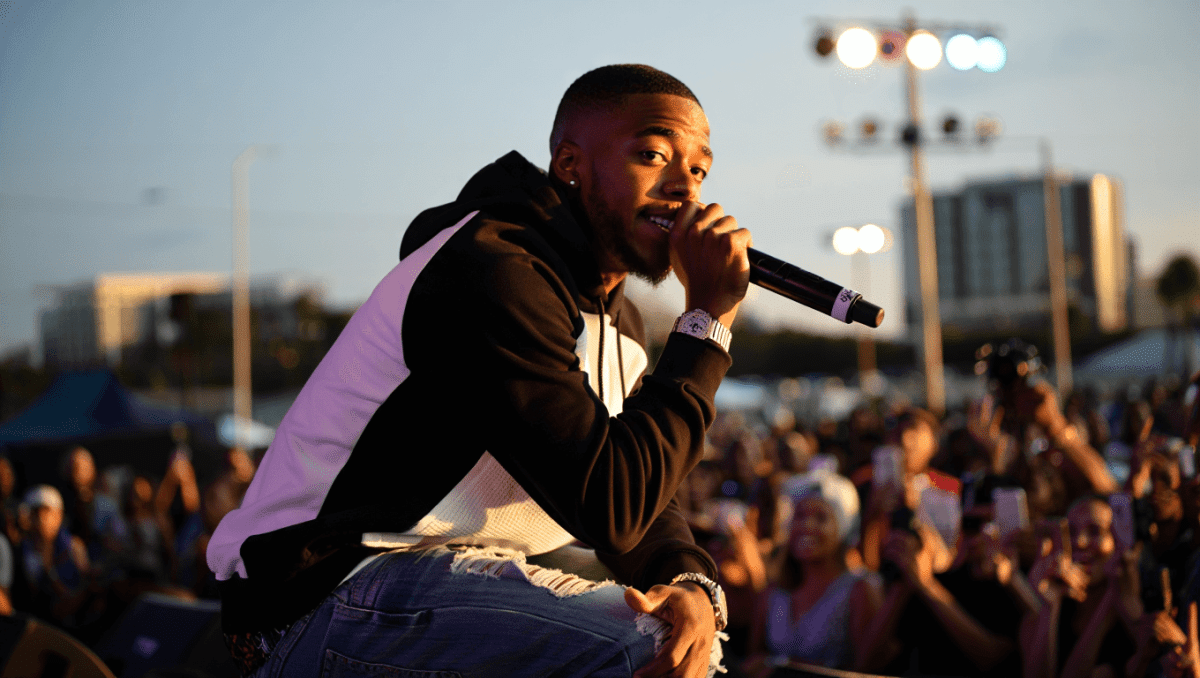
Trump posted on Truth Social right after the broadcast, calling the production “absolutely terrible” and saying viewers could not follow the singer’s lyrics. The comment came after Bad Bunny’s 13‑minute set at Levi’s Stadium, which became one of the most‑watched Super Bowl halftime shows in recent years.
From criticism to counterpoints
Conservative figures attempted to frame the show as out of step with mainstream audiences. Turning Point USA organized a pre‑taped alternative stream featuring Kid Rock; Trump appeared to have tuned into that as well as the NFL halftime performance.
Trump’s Bad Bunny criticism: Alexandria Ocasio-Cortez says she barely gets him half the time
Hilton opens new all-inclusive resort in Punta Cana offering Hollywood A-lister service
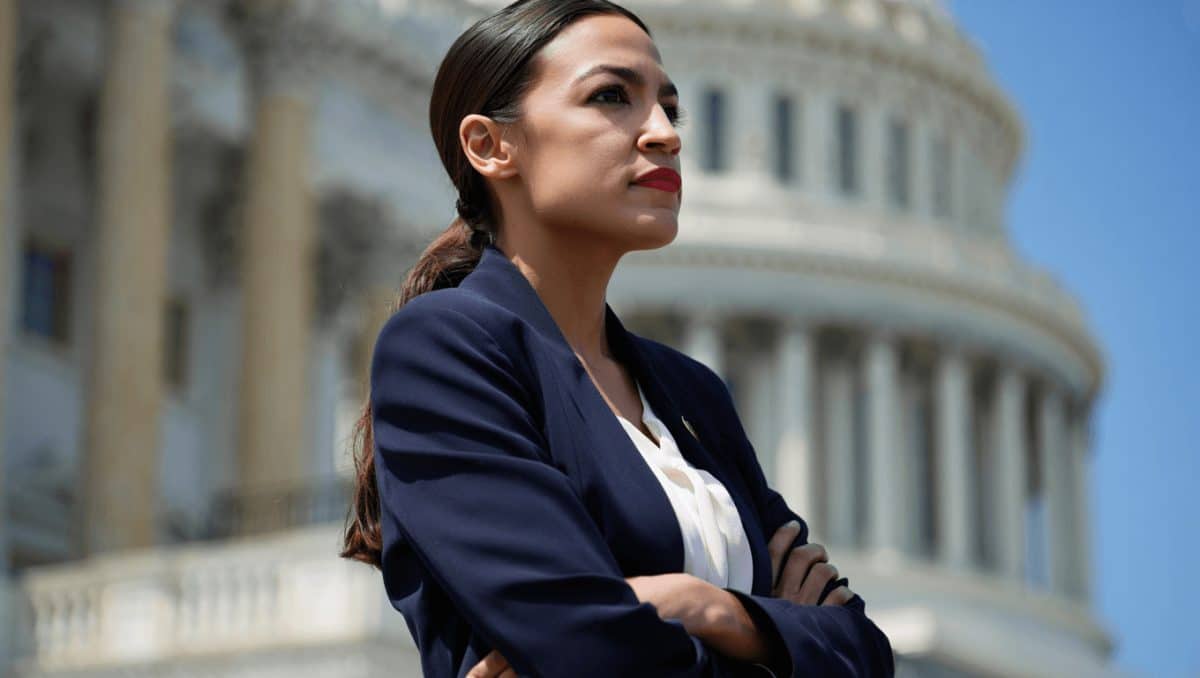
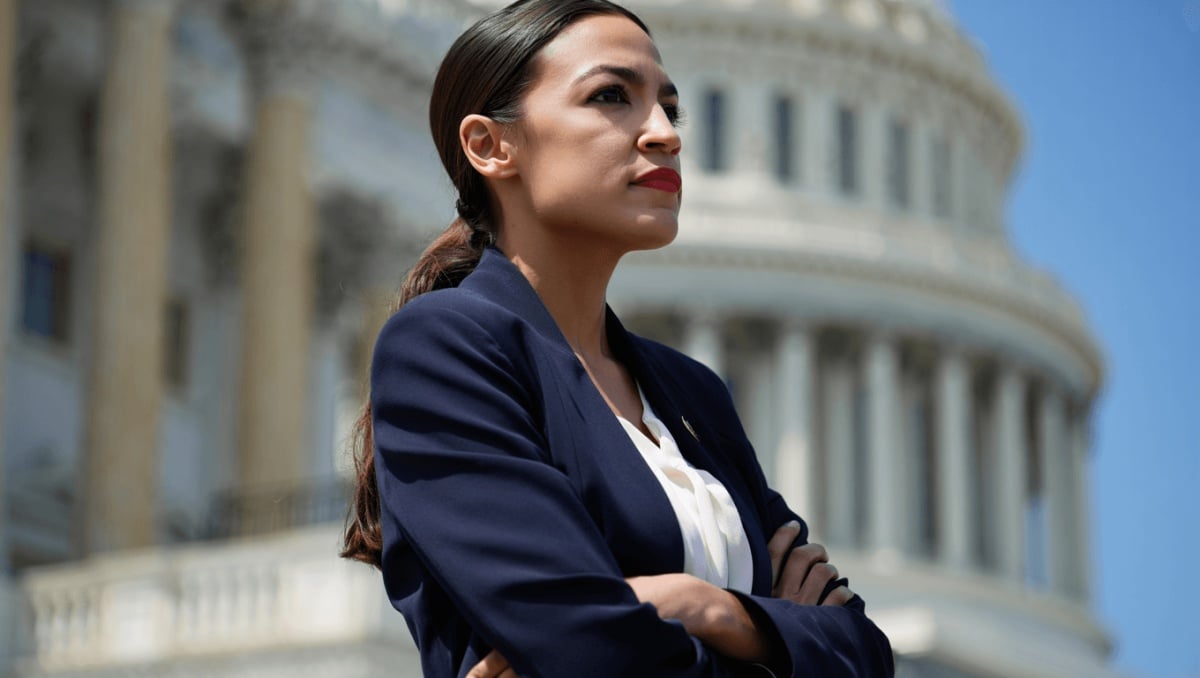
On the other side, Rep. Alexandria Ocasio‑Cortez — whose family is Puerto Rican — dismissed the complaint about language as hollow. Smiling when asked about Trump’s critique, she noted she often finds his remarks hard to follow and suggested the critics’ objections said more about them than about the performance.
Asked about proposals from some Republicans to launch a congressional inquiry into NBC and the NFL over the broadcast, AOC answered with a mix of humor and challenge, saying she was curious to see how critics would fare with a language learning app and stressing the show’s positive message for Latinx communities.
What the performance delivered
Bad Bunny’s halftime set mixed pop spectacle and political reference points. The show featured surprise appearances from performers including Lady Gaga and Ricky Martin, and cameos by Cardi B, Karol G and Jessica Alba. Visually and thematically it emphasized unity: the singer finished by holding a football stamped with the slogan “Together, We Are America”, while the Jumbotron displayed the line “The only thing more powerful than hate is love.”
Beyond music, the set wove in cultural history — a moment in which Benito invoked elements of Puerto Rican and broader American diasporic experience, from the legacy of sugar cane to the presence of Nuyoricans in New York.
- Viewership: The halftime show ranked among the top Super Bowl performances in audience size, drawing huge national attention.
- Guests: Lady Gaga, Ricky Martin, Cardi B, Karol G and Jessica Alba appeared during the set.
- Theme: A focus on unity, cultural pride and a message pushing back against hatred.
- Political fallout: Criticism from some Republican figures and praise from Democratic leaders highlighted partisan divides over cultural representation.
Context: music, politics and public moments
Bad Bunny has not shied away from political statements in recent months. At the Grammys earlier in February, he used his acceptance speech to criticize aggressive immigration enforcement and to call out ICE, prompting standing ovations and debate across political lines.
The Super Bowl performance followed that pattern — blending celebration with commentary. For supporters, the show was a public affirmation of Latinx identity and a rare large‑scale moment in Spanish at a mainstream U.S. broadcast event. For critics, the language and political undertones opened a familiar line of attack about cultural representation on national television.
The immediate consequence is not legislative, but cultural: the halftime show has become another touchpoint in ongoing conversations about who is seen as emblematic of “America” and how entertainment platforms navigate multilingual audiences.
What to watch next
Expect a short‑term media cascade: pundit panels, social clips, and politicians amplifying moments that fit their narratives. But the broader trend is more consequential — mainstream broadcasts increasingly reflect a multilingual, multicultural audience. That shift is likely to prompt further debate whenever major events spotlight non‑English language art on a national stage.
Ultimately, the Super Bowl moment underscored two clear facts: big live events still shape public conversation, and cultural choices on those stages can have immediate political reverberations.