Show summary Hide summary
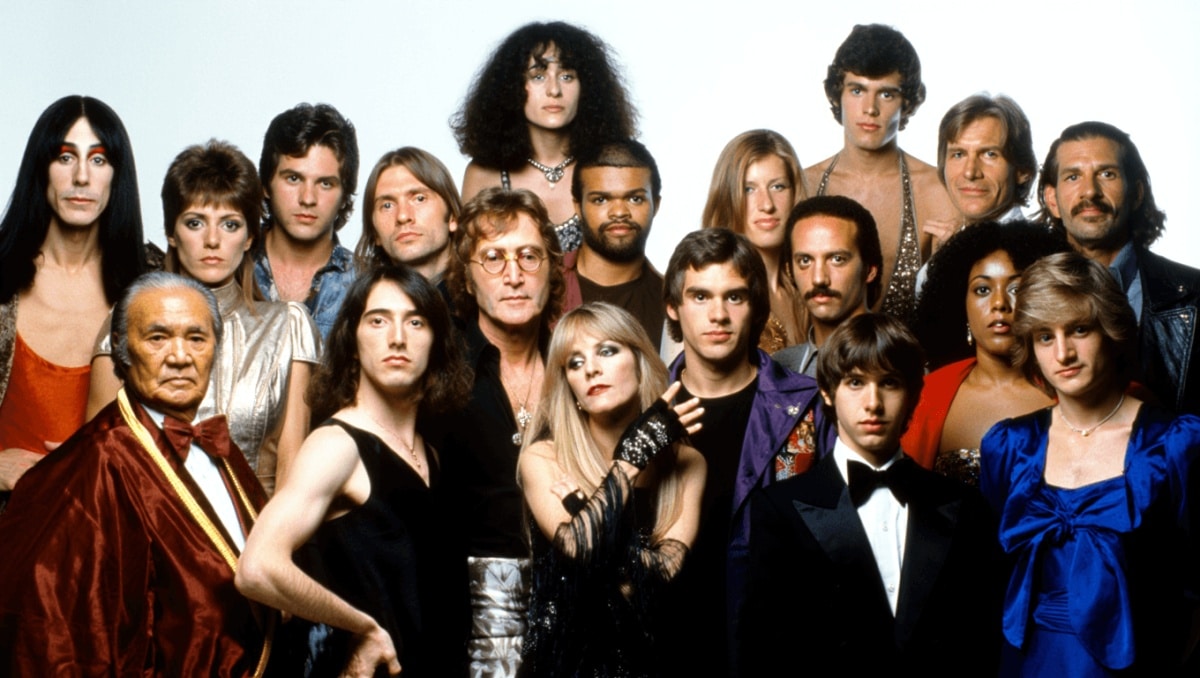
The 1970s produced a group of public figures whose work still shapes music, film, politics and fashion today — yet many younger readers may recognize faces without knowing the full stories behind them. As streaming services and anniversary documentaries renew interest in that decade, it’s worth revisiting who these people were and why they mattered then and now.
Below are 20 notable personalities associated with the 1970s, each with a brief note on what made them prominent during that era and how their influence echoes today.
- Al Pacino — A defining screen presence of the 1970s after breakthrough roles in The Godfather (1972) and Serpico (1973), Pacino helped shape modern film acting.
- Robert De Niro — Emerging as a leading actor with performances in The Godfather Part II (1974) and Taxi Driver (1976), De Niro became a touchstone for gritty realism.
- John Travolta — From Saturday Night Fever (1977) to Grease (1978), Travolta helped bring disco-era cinema and pop culture to mainstream audiences.
- Farrah Fawcett — A television and pop-culture icon thanks to Charlie’s Angels and a widely circulated poster, she became a symbol of 1970s celebrity style.
- David Bowie — His Ziggy Stardust persona and musical reinventions made Bowie a defining figure of 1970s innovation in rock and fashion.
- Elton John — One of the decade’s best-selling musicians, known for landmark albums and flamboyant stagecraft that influenced pop performance.
- Dolly Parton — Country star and crossover artist whose songwriting and public profile grew strongly during the 1970s.
- Muhammad Ali — Beyond the boxing ring, Ali remained a global figure in the 1970s through landmark fights and outspoken public presence.
- Bruce Lee — Though his life ended early, Lee’s films like Enter the Dragon (1973) reshaped martial-arts cinema worldwide.
- Jane Fonda — Oscar-winning performances and high-profile activism made Fonda both an artistic and political force in the decade.
- Clint Eastwood — The Dirty Harry films and growing directorial work cemented his role as a major Hollywood auteur and star.
- Diana Ross — Transitioning from The Supremes to a solo career and film work, Ross remained a major figure in music and entertainment.
- Paul McCartney — After the Beatles, McCartney’s Wings and solo projects kept him at the center of 1970s pop music.
- Cher — With chart success and a distinctive public image, Cher was a prominent entertainer throughout the decade.
- Stevie Wonder — A creative high point for Wonder came in the 1970s with albums that expanded the boundaries of soul and pop.
- Marlon Brando — Returning to cultural prominence with The Godfather (1972), Brando’s presence influenced two generations of actors.
- Jodie Foster — A notable child and emerging adult actor by the late 1970s, she drew attention for a memorable role in Taxi Driver (1976).
- Gloria Steinem — As a leader of second-wave feminism and co-founder of Ms. magazine, Steinem helped define political debates of the era.
- Bette Midler — Blending cabaret, pop music and film, Midler became a versatile performer with growing mainstream appeal in the 1970s.
- Neil Young — A key figure in singer-songwriter and folk-rock movements, Young released several influential albums during the decade.
Chamberlain Harris, 26-year-old Trump aide, appointed to arts commission with no experience
Jackson White calls Tell Me Lies ending ‘hilarious’ as season 3 finale wraps series
Why this matters now
Interest in 1970s figures resurfaces regularly because their work remains visible on streaming platforms and influences new artists and filmmakers. Understanding these names helps decode references in current shows, documentaries and cultural conversations.
For readers, that translates into practical takeaways: watching a renewed-generation biopic or listening to a remastered album isn’t just nostalgia — it’s a way to trace how modern styles and debates evolved. It also explains why some older stars re-enter the headlines during anniversaries or through revived careers.
How to explore further
- Watch recent documentaries or anniversary interviews to hear first-hand recollections and newly surfaced context.
- Sample key films or albums cited above to see what made these careers distinctive in the 1970s.
- Read contemporary reviews and archived coverage to compare how reception at the time differs from today’s perspective.
Whether you grew up in the era or are discovering it now, the 1970s remain a rich field for cultural exploration. These 20 names are a starting point — each opens a path into the decade’s music, cinema, politics and public life.