Show summary Hide summary
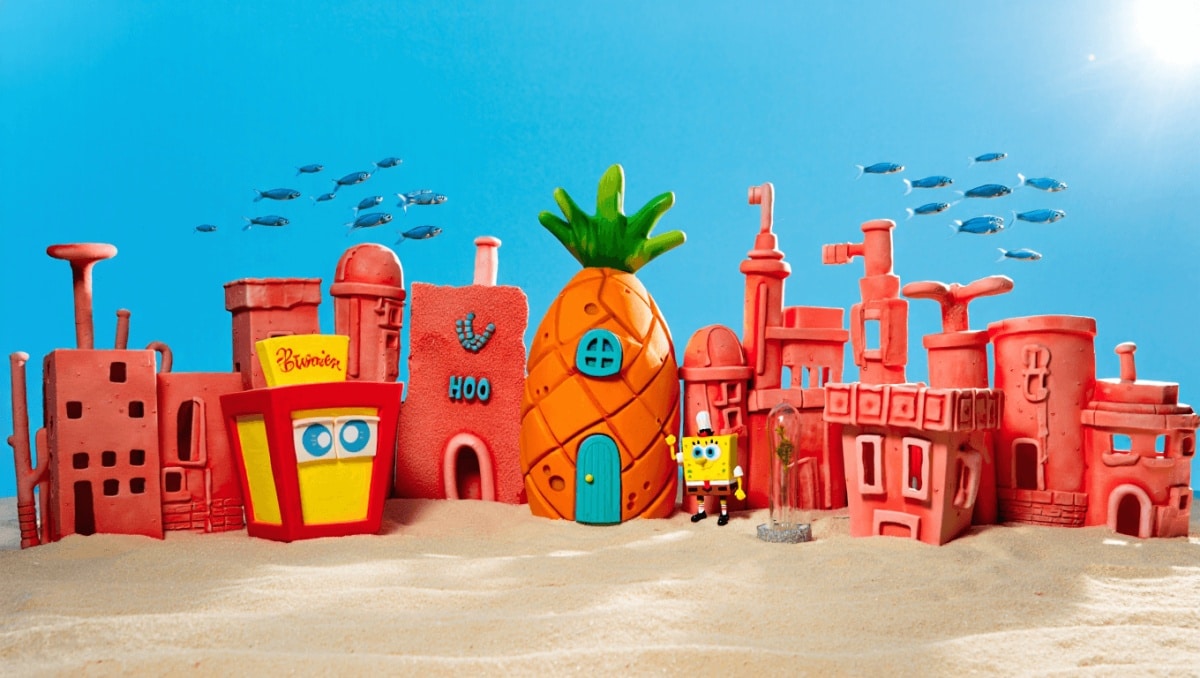
Long after its TV debut, the coral-city of Bikini Bottom keeps surfacing in online conversations, memes and personality quizzes — and for good reason: fictional addresses tell us a lot about how viewers connect with characters and communities. As streaming and social feeds keep the show visible, deciding “where” you live in Bikini Bottom becomes a playful way to explore identity, values and the small social worlds that shape us.
Fans often pick a Bikini Bottom residence as shorthand for a personality type — the eternal optimist in a bright pineapple, the grumpy artist in a sculpted stone home, the homebody under a rock. That shorthand matters because it channels how different generations read the show: children focus on slapstick and bright colors, while adults tend to map the characters onto workplace dynamics, neighborhood roles and broader cultural archetypes.
What each address reveals
The town’s homes are more than set dressing; they’re character statements. Consider a few of the best-known dwellings and what they imply about the people who would choose them.
Scarpetta Prime drops today on Amazon with Nicole Kidman in thriller role
Misty Copeland fires back at Timothée Chalamet over ballet remarks, says he wouldn’t be an actor without it
| Location | Resident | What it signals |
|---|---|---|
| Pineapple House | SpongeBob SquarePants | Optimism, community engagement, and a taste for routine and whimsy |
| Rock | Patrick Star | Laid-back simplicity, resilience by omission, a preference for low-effort comfort |
| Easter Island–style Home | Squidward Tentacles | Artistic aloofness, a desire for solitude, sensitivity masked by sarcasm |
| Treedome | Sandy Cheeks | Self-sufficiency, scientific curiosity, and an outsider’s independence |
| Chum Bucket Lab | Plar(kton) | Ambition married to isolation, technological focus, and a fixation on competition |
| Anchor-shaped House | Mr. Krabs | Practical conservatism, entrepreneurial instincts, and financial prudence |
Why that choice still resonates
Picking a neighborhood in Bikini Bottom isn’t just nostalgia — it’s a cultural mirror. The show compresses adult concerns into absurd, kid-friendly scenarios: jobs and bosses (the Krusty Krab), neighbors and privacy (SpongeBob vs. Squidward), and the tension between creativity and commerce (artists vs. entrepreneurs). Fans use these simplified settings to talk about real-world anxieties without heavy-handed realism.
It also explains the popularity of online quizzes and social media debates: assigning someone a house or address is a quick, shareable way to communicate personality. That shorthand circulates easily on platforms built for brief exchanges, keeping the cartoon relevant across age groups.
Where might you realistically fit?
If you’re trying to decide which Bikini Bottom spot best matches you, ask three quick questions: How social are you? Do you prioritize stability or adventure? Would you rather lead a team or tinker alone? Your answers point strongly toward one of the town’s archetypal residences.
- Social, routine-loving, community-minded: Pineapple House.
- Introverted, artistic, needs quiet: Easter Island–style home.
- Independent, practical, scientifically curious: Treedome.
- Relaxed, low-maintenance, grounded: Under the Rock.
- Ambitious, competitive, tech-focused: Chum Bucket Lab.
- Business-minded, frugal, community leader: Anchor-shaped home.
These labels are playful, not prescriptive. But they provide a useful framework for thinking about how fiction organizes personalities into neighborhoods — and why certain archetypes stick with us.
Context and cultural value
Shows like SpongeBob act as a cultural glue: they give different generations a common reference point. When adults assign each other Bikini Bottom addresses, they’re not only sharing a joke — they’re using a familiar narrative to describe dispositions, work styles and social roles.
That’s why this question — “Where in Bikini Bottom do you live?” — matters today. It’s a low-stakes exercise with outsized value for social connection, identity play, and the ways people turn entertainment into shared language.
So whether you’re a pineapple person or under-the-rock material, the neighborhood you pick says something about how you see yourself and the community you want to be part of. And in a time when online communities often substitute for local ones, those small, fictional addresses can feel surprisingly meaningful.