Show summary Hide summary
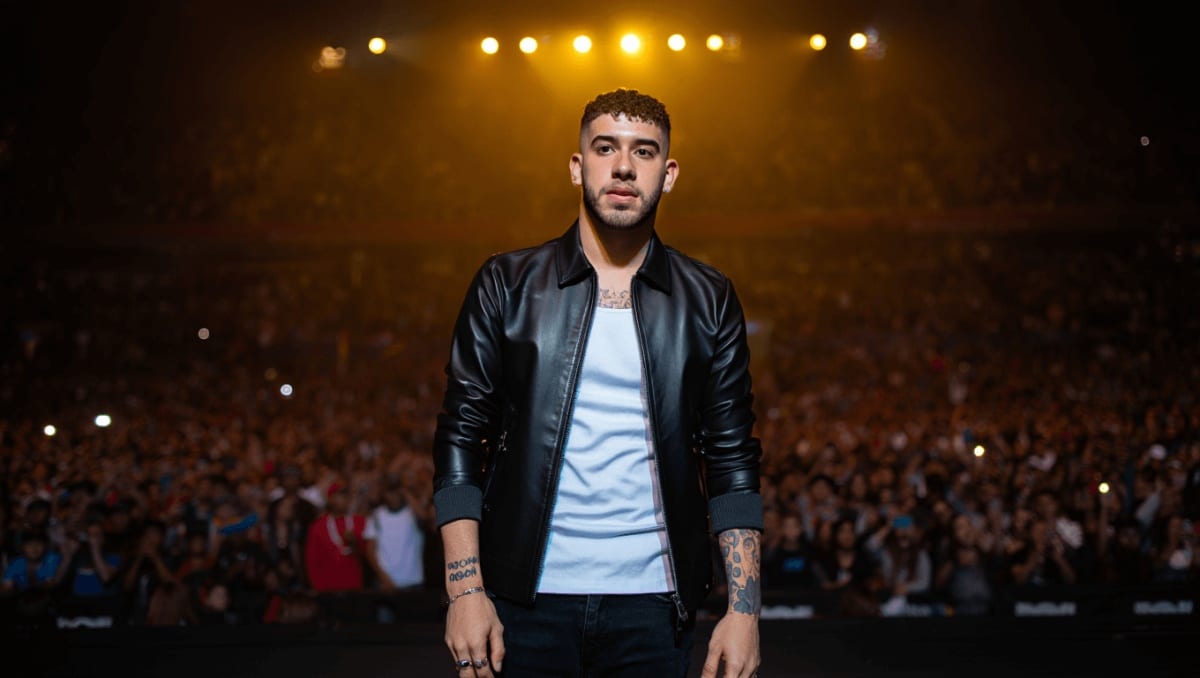
On Feb. 8, 2026, Bad Bunny will take the Super Bowl stage in a moment that industry watchers say marks a turning point for Latin music’s reach and cultural visibility. His headline halftime set — delivered almost entirely in Spanish — reframes what mainstream success looks like on one of the world’s biggest live stages.
The Puerto Rican artist joins a small group of Latin performers who have appeared on the Super Bowl platform, but he is the first whose catalog is predominantly in Spanish to lead the halftime show. That distinction matters beyond genre lines: it tests whether language barriers still shape who is considered “universal” in global pop.
Why this performance matters now
Bad Bunny arrives at the Super Bowl after a run of record-breaking achievements on streaming platforms and awards stages, giving his appearance immediate cultural weight. The timing — coming after a decade of streaming-driven globalization — makes the halftime slot a live litmus test for how quickly non-English pop can anchor mainstream American broadcast events.
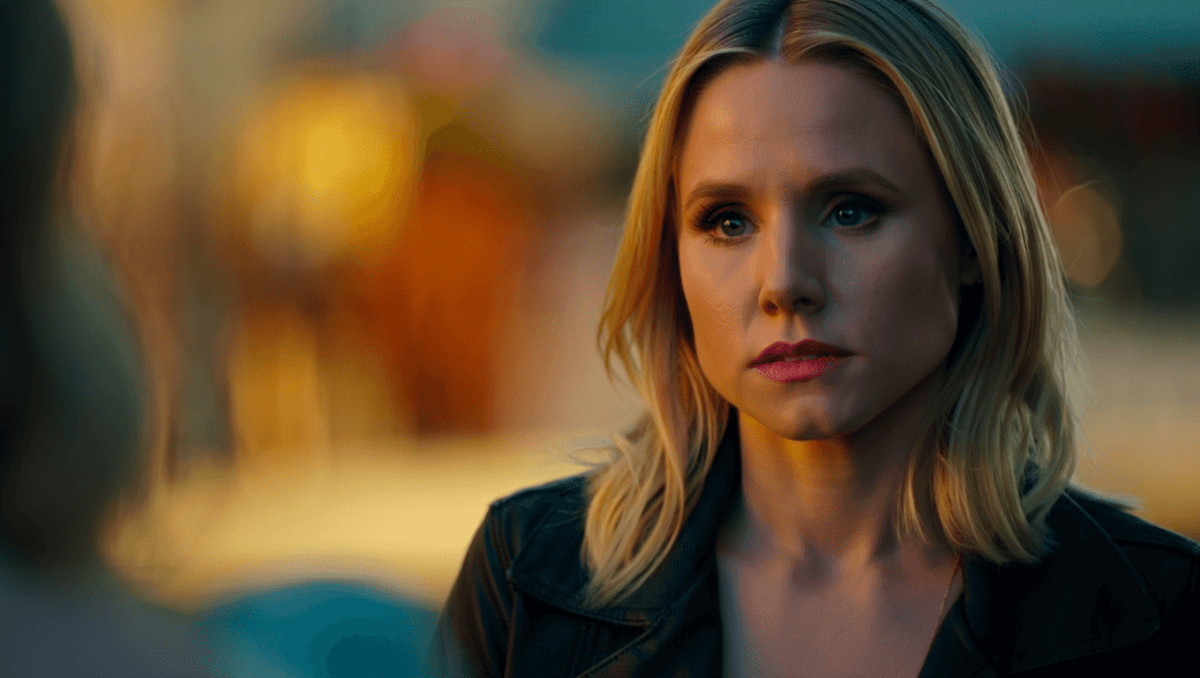
Veronica Mars Season 4 drops on Netflix today, Kristen Bell teases watch party
Ethan Hawke nets first Oscar nomination for Best Actor in ‘Blue Moon’ role as Lorenz Hart
- Language and reach: A Spanish-led set challenges assumptions about audience comprehension and commercial viability on mass-audience television.
- Industry precedent: Networks, brands and promoters will watch whether a non-English headliner expands or reshapes sponsorship, radio play and festival lineups.
- Representation: For Latinx and Spanish-speaking viewers, the slot is a highly visible validation of cultural prominence on a U.S. national stage.
Those stakes help explain why commentators have debated the choice since the announcement in September and why artists and executives are paying close attention now.
Spanish as musical and cultural statement
Bad Bunny’s decision to maintain Spanish as his primary artistic language across six studio albums has been framed by scholars as more than a stylistic choice. Jennifer Mota, a researcher who studies Latin music, argues that performing in Spanish at this level unsettles long-standing industry hierarchies that treated English as the default route to global recognition.
Streaming data reinforce the point: platforms have listed him among the most listened-to global artists in recent years, and his 2022 album Un Verano Sin Ti remains a streaming benchmark. Those numbers suggest language is less a barrier than it once was — and that cultural authenticity can be a commercial engine.
How Bad Bunny’s career choices signal a broader shift
He has built his profile by centering Latin identity rather than downplaying it. Instead of pursuing a Las Vegas residency, he staged an extended run of hometown shows in Puerto Rico; on red carpets and TV stages he brings overt cultural references; and his public persona often blends political awareness with pop spectacle.
That blend of personal and political has been central to his appeal. Cultural commentators note that aligning visible heritage with mainstream success complicates the old formula of assimilation for mass-market acceptance.
Fashion, gender and the new norms of pop performance
Bad Bunny’s public image — often androgynous, frequently playful with gendered codes — has provoked both praise and critique. Academics point out that his aesthetic choices disrupt the hypermasculine expectations common in reggaetón’s early mainstream years and open the genre to wider audiences.
Verónica Dávila Ellis, an academic who studies Hispanic and Latin American culture, says that embracing nontraditional gender expression helps an artist stand out and broaden their audience. In that sense, stylistic risk has become a strategic advantage rather than a liability.
What this could mean for the music business
If Bad Bunny’s halftime show resonates with the broadcast audience and advertisers, it could accelerate several trends already underway. Possible ripple effects include:
- More headline slots awarded to non-English artists at large U.S. events;
- Greater label and sponsor investment in Spanish-language promotion and campaigns;
- An increase in mainstream media willingness to present culturally specific content without translation as a barrier.
Those changes would not be instantaneous, but a successful halftime set has historically shifted attention, bookings and budgets in measurable ways.
Bad Bunny’s Super Bowl performance is not only a career milestone — it is a practical test of how American cultural institutions respond when a globally popular artist asks them to meet him halfway, linguistically and stylistically. For viewers and industry insiders alike, the show will be a clear barometer: is the mainstream ready to accept pop that is unapologetically rooted in a language other than English?