Show summary Hide summary
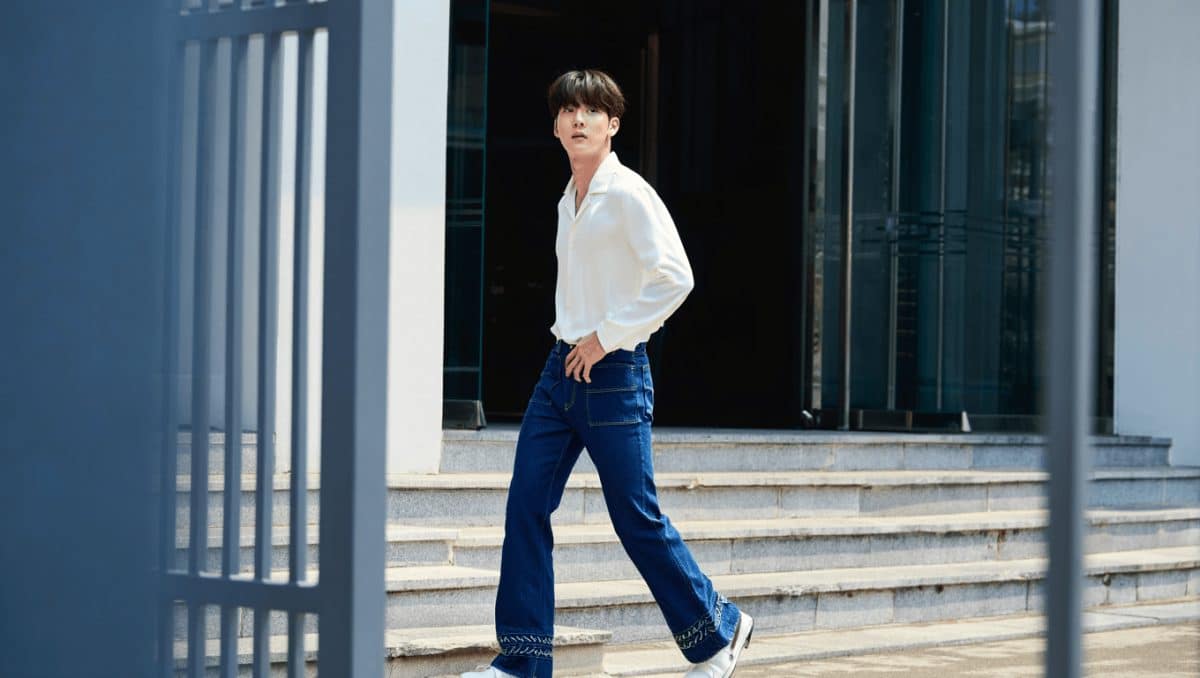
Lee Jun-ho says one thing guides his project choices above all else: the strength of the story. That emphasis — and a willingness to push into unfamiliar territory — has helped the South Korean actor land roles that resonate with global audiences and critics alike.
Across recent hits, Lee has balanced spectacle with realism, moving from period drama royalty to a cash-fueled superhero and a man grappling with the fallout of the 1997 economic crisis. The result: shows that perform strongly on streaming charts and spark conversations about what K-drama can mean for international viewers today.
Why Lee picked a superhero who has to pay to power up
Lee was drawn to Cashero because it subverts familiar comic-book beats. The Netflix Korea series casts his character, Kang Sang-woong, as a regular civil servant who discovers superpowers — with a twist: every use of power costs money.
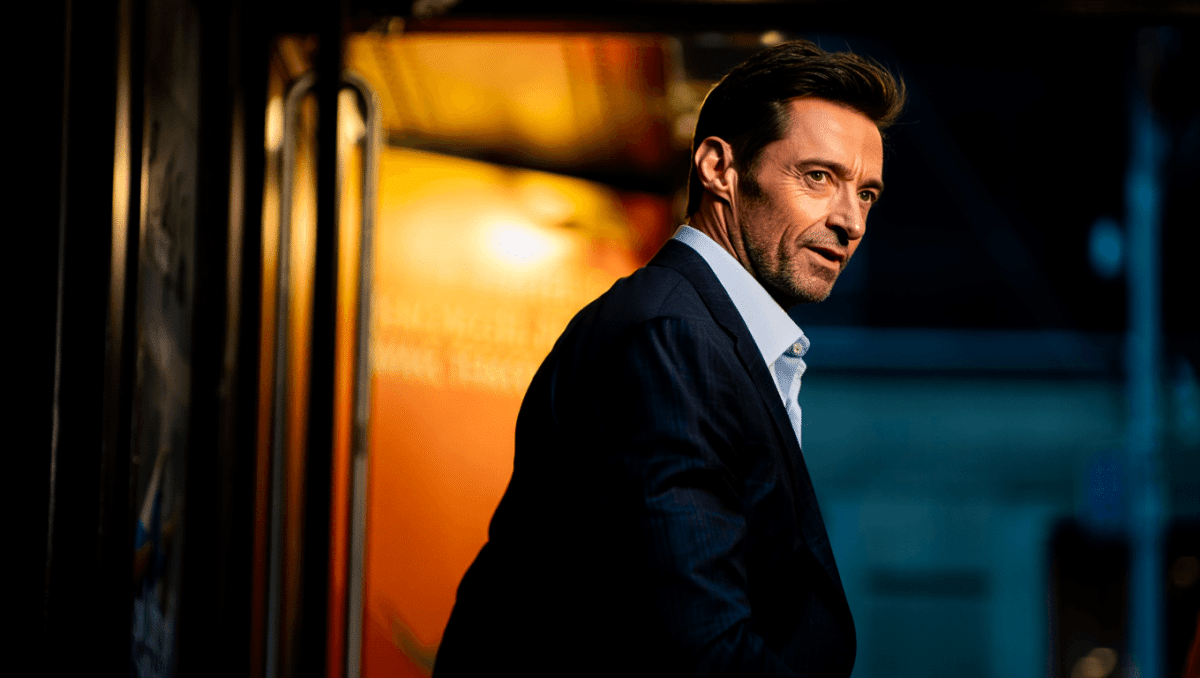
Hugh Jackman headlines Audible Theater’s 2026 season with new Broadway productions
Love is Blind reunion drops tonight at 9 p.m. ET on Netflix, cast drama unfolded
“The premise felt distinct,” Lee told reporters in early 2026. “It’s not only about having abilities; it’s about the consequences and limits that come with them.” He says immersing himself required imagining a world where financial means determine how much power he can access — an idea he found both absurd and oddly revealing.
That everyday framing is intentional. Rather than aiming for Marvel- or DC-style grandeur, Cashero leans into the texture of ordinary life, asking how responsibility and sacrifice play out on a smaller, more domestic scale.
‘Typhoon Family’ and realism as its anchor
Before the superhero role, Lee starred in Typhoon Family, a 2025 drama set amid South Korea’s painful turn-of-the-century economic turmoil. Playing Kang Tae-poong, Lee navigates family loss and social upheaval during the IMF era, a period that reshaped communities across the country.
The series landed with viewers and critics, earning Lee the grand prize for Actor of the Year (TV) at the Asia Artist Awards in 2025. He says the appeal came from honest, grounded characters rather than melodrama: stories that let audiences reflect on historical hardship and draw parallels to current global anxieties.
“It was important to show how people endure and move forward,” Lee said. “Television can help younger viewers understand moments in our history they didn’t live through and offer everyone a chance to consider how we face collective challenges today.”
What this says about K-content on global platforms
Lee’s career — spanning almost two decades as a singer and actor, and as a member of the K-pop group 2PM — has unfolded alongside a major shift in how Korean entertainment reaches the world. He highlights platforms like Netflix for amplifying K-dramas, K-movies and K-pop beyond domestic audiences.
“The global reach is different now,” he noted. “Work that used to have limited exposure can travel instantly, and that changes what creators aim for.”
- Broader audiences: International streaming means Korean storytellers can write with a global eye while retaining local specificity.
- Creative risk-taking: Unique concepts — from a cash-powered hero to dramas tied to historical crises — can find viewers quickly.
- Cultural exchange: Series that foreground authentic experiences encourage empathy and historical understanding across borders.
How Lee chooses roles now
Story comes first, he says. Lee looks for characters that will challenge him and offer new dramatic ground — whether that’s a Joseon monarch, a corporate heir, or an ordinary man thrust into extraordinary circumstances.
He also intentionally seeks diversity in part to avoid repetition and to keep growing as an actor. That drive explains his next move: a role in the third installment of the Veteran film series, where he will play a villain for the first time — a deliberate step into darker territory.
“I want roles I haven’t done before,” Lee said. “Taking on a villain is a way to test my limits and explore a different kind of storytelling.”
As K-content continues to circulate globally, Lee’s choices reflect a broader trend: audiences are rewarding narratives that combine distinct local perspectives with universal themes. For viewers, that means more ambitious, varied stories — and for creators, more room to experiment with how genre and realism intersect.