Show summary Hide summary
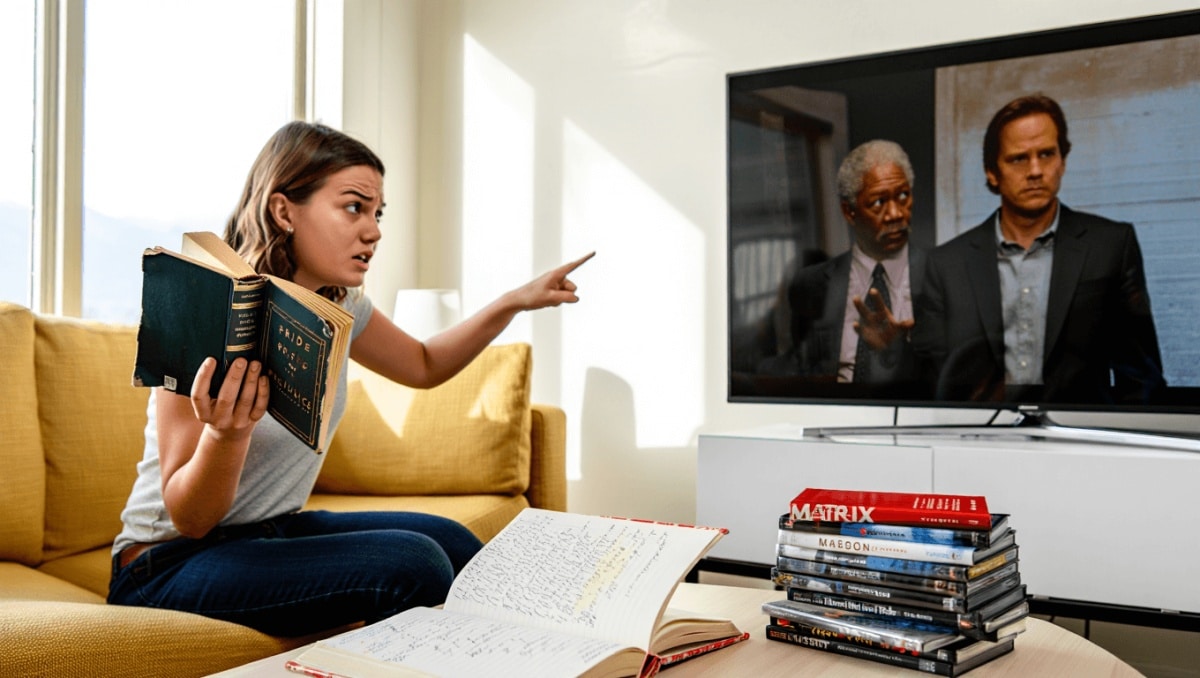
Popular films, TV series and novels often arrive in public life wearing a story the audience wants to tell about them — not necessarily the one the creators intended. As streaming platforms, school syllabuses and social feeds keep reviving old titles, misunderstandings about their themes are shaping how we argue about culture, politics and identity today.
Why these misreads matter now
Misinterpretation isn’t harmless trivia. When a work is widely simplified — reduced to a single line of debate or a meme — it changes how younger audiences learn history, how creators are credited, and how adaptations get greenlit.
Jackson White calls Tell Me Lies ending ‘hilarious’ as season 3 finale wraps series
Filmmakers misled audiences: 16 movies that viewers believed
In recent years, this has real consequences: directors defend their work in interviews; scholars push for revised classroom readings; studios decide whether to reboot, remake, or leave well enough alone. Understanding the more nuanced readings matters for public conversation.
Quick checklist: what you’ll find below
- Examples across film, television and literature where a dominant reading obscures deeper intent.
- Short, evidence-based corrections that clarify stakes and themes.
- A compact table for quick reference if you want to skim or share.
Table: 22 works and the misread that stuck
| Work | Common misinterpretation | More accurate reading |
|---|---|---|
| The Great Gatsby (novel) | Celebration of wealth and glamour | Satire of the American Dream and the hollowness of status |
| Fight Club (film/novel) | An endorsement of male violence and rebellion | Cautionary critique of toxic masculinity and consumerist nihilism |
| American Psycho (novel/film) | Darkly funny celebration of 1980s success culture | Satirical condemnation of materialism and moral vacancy |
| The Handmaid’s Tale (novel/series) | Simply anti-religion or partisan allegory | Study of authoritarian control using religious rhetoric to justify power |
| Gone with the Wind (film/novel) | Romanticizes the antebellum South without critique | Popular epic that normalizes racist nostalgia — now widely reassessed |
| Jurassic Park (film/novel) | Pure adventure science triumph | Warning about scientific hubris and unintended consequences |
| The Matrix (film) | Just an action-packed sci-fi with cool effects | Layered philosophical questions about reality, freedom and simulation |
| Black Mirror (TV) | Tech-is-evil anthology | Complex meditation on design, human choice, and unintended harms |
| The Lord of the Rings (novels/films) | Read as proto-fascist or simple sword-and-hero tale | Epic about power, stewardship and moral ambiguity |
| Lolita (novel) | Arouses sympathy for the narrator and reads as a love story | Dark study of manipulation, predation and an unreliable narrator |
| Game of Thrones (books/TV) | Standard heroic fantasy with clear winners and losers | Political realism where moral complexity trumps tidy hero arcs |
| The Wizard of Oz (film/novel) | Simple children’s fantasy or populist political allegory | Personal fairy tale with layered readings; authorial intent on allegory is mixed |
| 1984 (novel) | The universal label for any “big government” threat | Specific study of totalitarian systems, surveillance and language control |
| To Kill a Mockingbird (novel) | A comforting story about a single white hero solving racism | Exposure of systemic racism that also contains limits and blind spots |
| Casablanca (film) | Pure romantic melodrama | Political sacrifice placed above personal desire in wartime |
| The Simpsons (TV) | Light satire with no serious cultural effect | Durable cultural mirror that shaped late-20th-century satire and stereotypes |
| The Catcher in the Rye (novel) | Heroic manifesto of teenage rebellion | Portrait of adolescent alienation and self-absorption |
| The Shawshank Redemption (film/novella) | Inspirational prison-break feel-good movie | Reflection on institutionalization, hope and the limits of justice |
| Willy Wonka & the Chocolate Factory (film) | Whimsical story where Wonka’s eccentricity is harmless | Allegory about parenting, reward structures and capitalist excess |
| Breakfast at Tiffany’s (novel/film) | Romantic portrait of a charming, carefree heroine | Problematic study of coercive gender roles and racist caricature elements |
| The Godfather (film/novel) | Glamorizes organized crime | Complex examination of power, corruption and family obligation |
What to watch for when revisiting a favorite
First, notice who’s telling the story. Works that rely on a clearly biased narrator — whether Perrus in a novel or a film protagonist — invite skepticism about their apparent messages.
Second, pay attention to what’s omitted. The absence of historical context, marginalized viewpoints, or aftereffects can make a sympathetic reading feel comfortable but incomplete.
Finally, ask how the work’s reception changed over time. A movie that seemed benign in 1950 may read very differently today because societal values evolved; that shift is worth acknowledging rather than framing as mere political correctness.
Practical implications for readers, teachers and creators
For readers and viewers, a small adjustment in approach pays off: resist the first, easy interpretation and look for counter-evidence inside the text. For teachers, encouraging layered readings helps students develop critical thinking rather than memorizing plot summaries. For creators, awareness that audiences will project their own politics onto a work is essential when shaping marketing and interviews.
On a cultural level, these misreads matter because they steer debate. Labeling a text as pro- or anti-something without nuance flattens discussion and can justify poor policy or lazy criticism.
Final note
Most great works tolerate — even encourage — competing readings. But the fact that a particular misinterpretation becomes dominant is itself a story about media, memory and power. Reassessing familiar titles doesn’t erase enjoyment; it deepens it.
If you’d like, I can expand this into a downloadable guide for teachers, or produce short lesson prompts that unpack three of these misreads for classroom use.