Show summary Hide summary
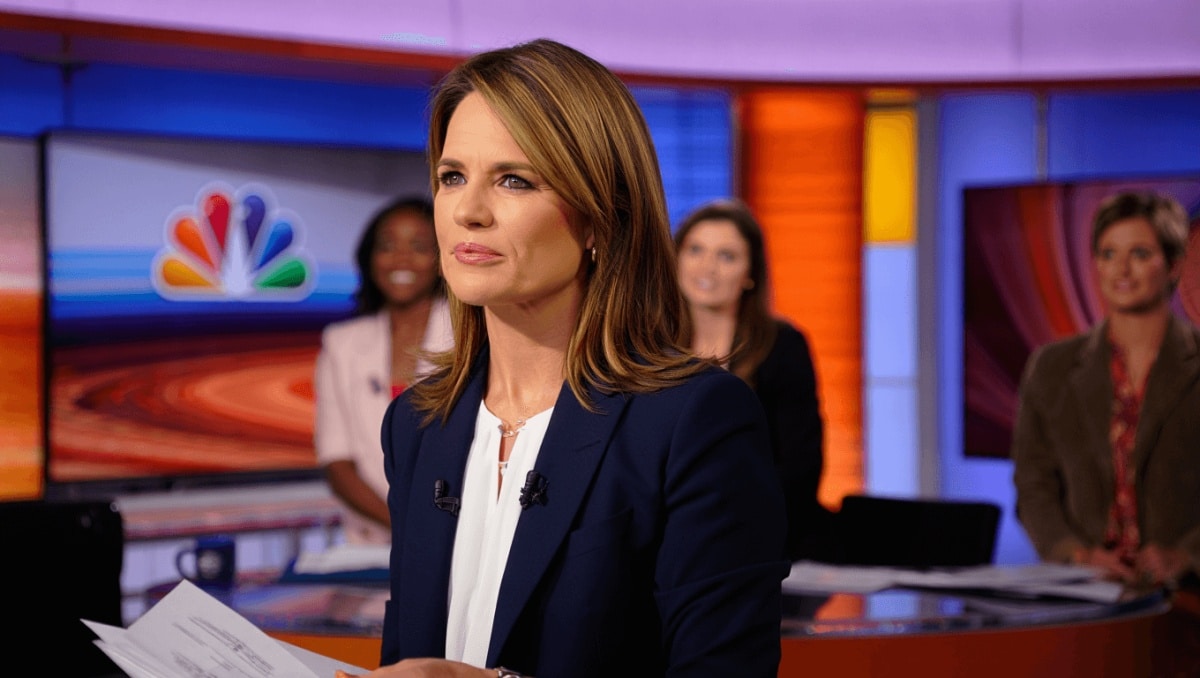
Savannah Guthrie’s announcement that her mother is missing has put a usually upbeat morning broadcast into an unusually public crisis — and renewed attention on how the “Today” team supports its own when private life becomes national news. The episode matters now because it highlights both the personal toll of sudden family emergencies and the way live television turns private grief into shared experience.
How colleagues responded this week
Jackson White calls Tell Me Lies ending ‘hilarious’ as season 3 finale wraps series
Filmmakers misled audiences: 16 movies that viewers believed
In the days after Guthrie went public, her co‑anchors used airtime to show solidarity: several paused regular segments to acknowledge the family’s situation, while others offered practical support off camera. One host stepped away from an international assignment to remain close to Guthrie, and multiple teammates encouraged viewers to keep the family in their thoughts.
The display was restrained — not theatrical — focusing on reassurance and community. Producers shortened certain features to make room for updates and to allow hosts to check in with Guthrie between live hits.
A long history of personal crises on the morning show
The current episode is the latest in a pattern: for decades, anchors on the program have contended with serious health issues, bereavements and family caregiving while appearing each weekday morning. That history has shaped how the team responds now.
- Hoda Kotb — publicly navigated a past cancer diagnosis and later took a leave to care for a child with a medical condition, returning to the desk to speak candidly about balancing work and family.
- Sheinelle Jones — stepped away in recent years as her husband fought an aggressive brain tumor; she later returned and described the ongoing process of grieving and rebuilding routine for her children.
- Al Roker — disclosed a prostate cancer diagnosis on air and has since used his platform to mark recovery milestones and promote screenings.
- Katie Couric — after the death of her husband, she returned to co‑hosting and created one of the program’s most memorable moments of public mourning.
- Meredith Vieira — left the show to provide family care and spoke openly about the pressures of caregiving and the decision to step back from television duties.
- Carson Daly — has discussed his struggles with anxiety on the air, encouraging others to seek professional help.
These episodes show a recurring dynamic: morning anchors alternate between being professional conduits of news and real people whose lives sometimes become the subject of coverage. That dual role brings visibility and a degree of support — and also recurring scrutiny.
What this means for viewers and the show
For audiences, the on‑air handling of such events can feel intimate. Viewers often respond with messages of concern, financial or logistical offers, and an outpouring of prayers or good wishes — gestures that hosts and producers frequently acknowledge as helpful.
For the newsroom, repeated personal crises raise operational questions: who fills in, how long an anchor can or should be away, and how producers balance empathy with the demands of a live broadcast schedule. The program tends to prioritize privacy and instantaneous support, while also adapting formats to include reliable updates.
At the same time, these situations can influence public conversations about caregiving, medical transparency and workplace flexibility in high‑profile media jobs.
Where the story stands
Authorities and family members are still pursuing leads; the network has offered limited public comment while co‑workers continue to provide on‑air and behind‑the‑scenes support. Viewers seeking verified updates should turn to official statements from law enforcement and the family rather than social media speculation.
As the search continues, the episode will likely remain a focal point on the program — a reminder of how national platforms can become stages for private emergencies and how colleagues build informal support systems when the cameras keep rolling.