When Los Angeles Mayor Karen Bass slipped back into Max & Helen’s for a quiet takeout the second time in eight days, it underscored an odd new reality: a neighborhood diner has become a civic issue. The restaurant’s sudden fame — and the logistics it has forced on staff and neighborhood life — shows how viral culture can reshape access to everyday places.
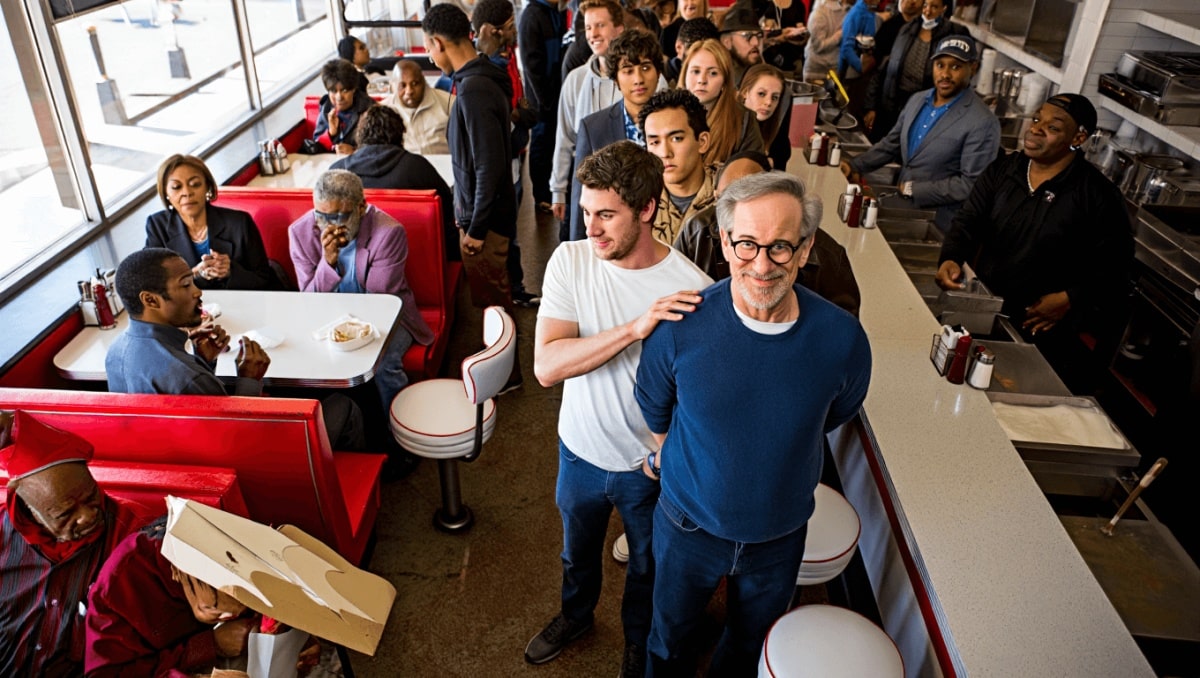
Since opening on Nov. 18, Max & Helen’s on Larchmont has attracted waits measured in hours rather than minutes. Instead of a visible rope of people down the block, the team runs a timed return system from the host stand that parcels out seats and keeps the curb from overflowing. Owner Phil Rosenthal says the approach reflects the village-like character of Larchmont Village — you can duck out to a nearby shop or catch a show while you wait — but it also masks how outsize demand has become.
Rosenthal built the diner with chef Nancy Silverton and a small, tightly managed floor plan: roughly 40 seats, plus a handful of outdoor tables recently added to the sidewalk. He intentionally declined a reservation platform, citing two concerns — one practical, the other philosophical. First, he wants to avoid the automated reservation slots that third-party scalpers and bots can sell; second, he wants the place to function like a diner, open to the neighborhood rather than a ticketed event.
Love is Blind season 10 drops new episodes with shocking couple drama, heartbreak
America’s Next Top Model documentary reveals shocking Tyra Banks moment
The reality is more complicated. Rosenthal’s visibility from the Netflix series Somebody Feed Phil has turned the address into a destination for viewers, influencers and tourists. Staff recall diners who flew cross-country or overseas specifically to sit at the counter. “People show up from far away,” his daughter Lily says, noting that while some patrons are food influencers chasing viral items, most arrive because of the show’s emotional appeal.
Managing that demand has required both rules and personal discretion. Rosenthal keeps a stack of restaurant cards with Lily’s number — the so-called magic ticket — but he says he does not hand them out indiscriminately. Instead, texts forwarded to Lily are checked against the restaurant’s availability; only a small, spaced-out share of calls are accommodated to preserve seats for regular diners and long-waiting visitors.
- Wait times: Reported weekend waits reached up to eight hours; weekdays can still run several hours.
- Seating policy: No reservations; host assigns a return time to prevent long curbside queues.
- Capacity: Around 40 indoor seats, with a few outdoor additions.
- Why people come: TV exposure, social media virality (notably a hot chocolate moment), and word-of-mouth.
- Access workarounds: Owner-controlled phone number used selectively to place a limited number of people.
Inside the restaurant, Rosenthal still treats the room like a set: he often sits at the accessible low counter seat and moves through the diner to greet guests. That social energy is central to the concept — he compares the atmosphere to old-school neighborhood spots where the proprietor became a familiar, generative presence — but it collides with the limits of a small space when thousands want in.
There are reputational stakes for everyone involved. Regulars and neighbors want to keep a local institution intact; fans and travelers want to experience something they saw on screen; and Rosenthal, who has spent decades in the public eye, must balance being generous with avoiding preferential access that would alienate ordinary diners. Even prominent industry friends respect the rules most of the time, Rosenthal says, though exceptions have been made with advance notice.
For other restaurateurs and city officials, Max & Helen’s raises practical questions about how to handle sudden popularity without eroding neighborhood life: how to protect against scalpers and bots, how to sustain a small-venue hospitality model as demand spikes, and how to ensure that viral fame doesn’t turn local gathering places into exclusive attractions.
What matters today is not just the story of one diner but what it reveals about the intersection of media, celebrity and public space. As TV-driven tourism and social platforms continue to steer crowds, restaurants, neighborhoods and local governments will need clearer playbooks to keep community-oriented spots both accessible and sustainable.