Show summary Hide summary
Across galleries and streaming platforms alike, the arts are experiencing rapid change — and those shifts matter now because they reshape livelihoods, public space and how communities remember themselves. From tightened municipal budgets to the rise of algorithm-driven distribution and AI tools, artists and institutions are being forced to adapt in ways that will affect what we see in museums, theaters and online over the next decade.
What’s shifting in the cultural landscape
Traditional funding models are under pressure. Municipal and philanthropic resources that once sustained seasons of theater and community programming are increasingly contested by other priorities, leaving many organizations to seek new revenue streams or scale back offerings.
At the same time, the adoption of digital tools — from virtual exhibitions to social-video platforms — is changing how audiences discover work. Some institutions report broader reach but lower per-visitor revenue; others find digital formats help them build long-term relationships with younger audiences who rarely enter a gallery or concert hall.
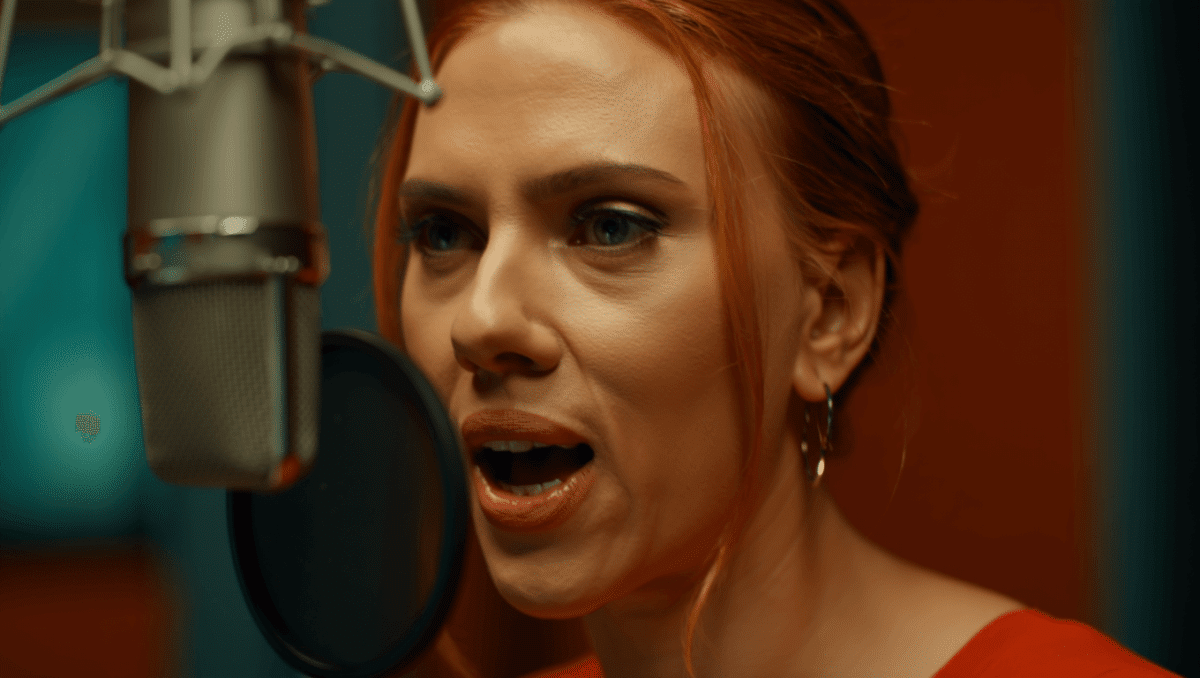
Scarlett Johansson reveals hardest role of career challenge
Miley Cyrus announces Hannah Montana 20th anniversary special with Alex Cooper interview airing March 24
Why this matters for communities and creators
When budgets shrink, the consequences are tangible: fewer apprenticeship opportunities for emerging artists, less support for experimental projects and diminished local programming that often serves as a first point of cultural engagement. The loss is not just economic. Public art programs and neighborhood arts centers contribute to social cohesion and civic identity.
At the same time, technological change poses questions about authorship, preservation and access. Tools powered by machine learning democratize creation but complicate copyright and provenance, forcing institutions and policymakers to reconsider longstanding rules.
How artists are responding
Many creators are mixing practice and entrepreneurship: combining grant-funded projects with commissions, teaching, residencies and commerce through limited editions or direct sales. Others are experimenting with hybrid presentation — intimate live performances augmented by live-streams, or museum displays paired with AR layers for remote viewers.
We’re also seeing new collaborative models. Artist-led collectives and cross-sector partnerships (with tech firms, local governments or health providers) are filling gaps left by shrinking core budgets, while advocacy groups press for sustained public investment.
- Diversified income: More artists consider multiple income streams essential to sustainability.
- Hybrid programming: Institutions combine in-person and digital offerings to reach broader audiences.
- Policy pressure: Calls for increased public funding and clearer rules around AI-generated work are growing.
- Community focus: Local initiatives aim to preserve neighborhood arts infrastructure and training.
What readers should watch
Policy debates over arts budgets and AI governance will determine which practices become mainstream. Upcoming local elections and municipal budget cycles often include arts allocations; those decisions will have immediate effects on programming schedules and staffing.
Pay attention to how major museums and cultural foundations report audience data: changes in attendance, membership trends and revenue composition reveal whether digital strategies are translating into financial resilience.
Finally, keep an eye on grassroots movements. When traditional institutions retreat, community-led spaces often step in — and their survival depends on small donors, volunteers and affordable real estate.
How to engage practically
Supporting the arts doesn’t require a large donation. Simple actions help sustain the ecosystem and broaden access:
- Attend a local performance or exhibition — ticketed or free — and bring friends.
- Join or renew memberships for small cultural organizations that rely on individual support.
- Share work by local artists on social media; discovery drives future attendance and sales.
- Volunteer time or skills (marketing, administration, technical support) to community arts groups.
These steps bolster not only artists’ incomes but also the civic benefits that arts programming delivers — from youth education to neighborhood revitalization.
As the sector navigates financial constraints and rapid technological change, the decisions made by funders, policymakers and audiences today will shape the cultural offerings available tomorrow. The arts ecosystem is adapting; whether it adapts equitably depends on choices communities make now.