Show summary Hide summary
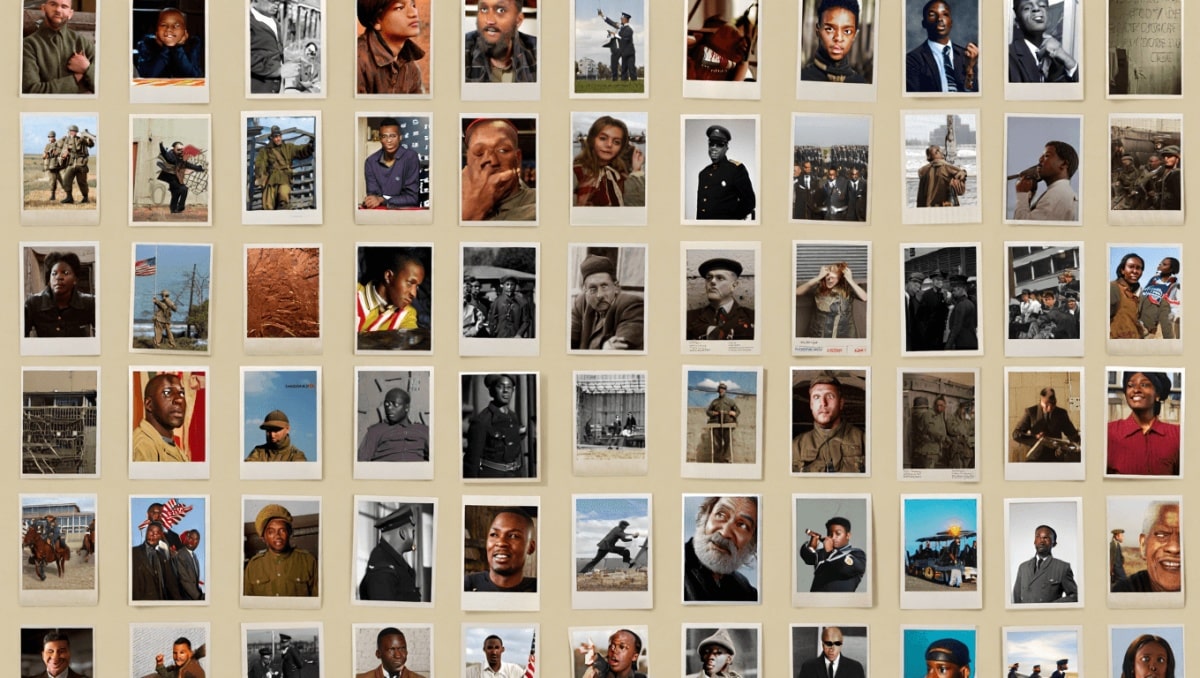
A recently circulated set of 39 archival photographs is prompting renewed conversation about how images shape our sense of the past. These pictures—drawn from different eras and places—remind us that a single frame can alter how we understand social change, technology and everyday life.
Why these images matter now
Photographs have become a dominant way people encounter history outside textbooks. As museums, newsrooms and private collectors digitize holdings, unusual or intimate moments from the past are reaching mass audiences for the first time. That accessibility brings value—and questions about context, representation and trust.
Knives Out quiz guesses your favorite Knives Out movie from your breakfast choice
Chris Noth posted a bold comment after Sarah Jessica Parker was honored for her acting
For readers, the immediate significance is practical: photographs can humanize distant events, reveal forgotten practices, and correct familiar narratives. But they can also be misleading when detached from provenance, captions or corroborating records.
What these 39 photos reveal
The collection’s strength lies in variety rather than in a single theme. Taken together, the images highlight patterns that help explain why a raw photograph can feel like a time machine:
- Daily life—mundane routines, fashions and household objects that show how ordinary people lived and how quickly material culture changes.
- Technology in motion—early automobiles, telephones and factory lines that mark the pace of innovation and labor transformation.
- Public protest and politics—street demonstrations and civic rituals that connect visual language to political movements.
- Work and industry—images of workshops, mines and farms that document labor conditions and social structures.
- Moments of intimacy—family portraits and candid shots that upset grand historical narratives by centering individual experience.
- Imperfections and edits—signs of retouching, staged poses and compositional choices that remind us images are crafted, not neutral records.
Each theme carries implications for journalists, educators and casual viewers who rely on pictures to form judgments about the past.
How to read a historical photograph
Not every image demands forensic analysis, but a few habits will improve understanding and reduce misinterpretation.
- Check the source: who owns the original? Is the photo from an archive, a news agency, or a private collection?
- Seek a date and location. Even approximate chronology can change the context dramatically.
- Ask what is missing: whose voices or perspectives are absent from the frame?
- Watch for signs of staging or manipulation, and look for corroborating evidence—newspaper stories, captions, or catalog records.
- Consider the photographer’s purpose—journalistic, documentary, promotional or personal—and how that purpose shapes the image.
Digital circulation reshapes meaning
When an archive posts a photograph online, it often reaches audiences with no knowledge of the broader collection. Social sharing accelerates this effect: a striking image can go viral with a stripped-down caption and a simplified narrative. That process amplifies emotional response but can also ossify a misread interpretation into common belief.
Newsrooms and platforms have begun to respond by improving metadata, publishing searchable captions, and linking to primary sources. Still, gaps remain—especially for marginalized communities whose visual records are thin or scattered.
Why editors and readers should care
For editors, these images are editorial assets that demand responsible framing. A powerful photograph can increase engagement and deepen public understanding, but it also raises duties: verify provenance, provide context, and avoid using images to sensationalize.
For readers, learning to interrogate visual evidence is increasingly important. Photographs can animate history lessons, inform debates about memory and policy, and foster empathy—if we approach them with both curiosity and skepticism.
In short, the recent attention to those 39 photographs is a useful reminder: images are bridges to the past, not substitutes for historical inquiry. Treat them as starting points—prompting questions, not final answers—and you’ll get more out of what they have to teach.