Show summary Hide summary
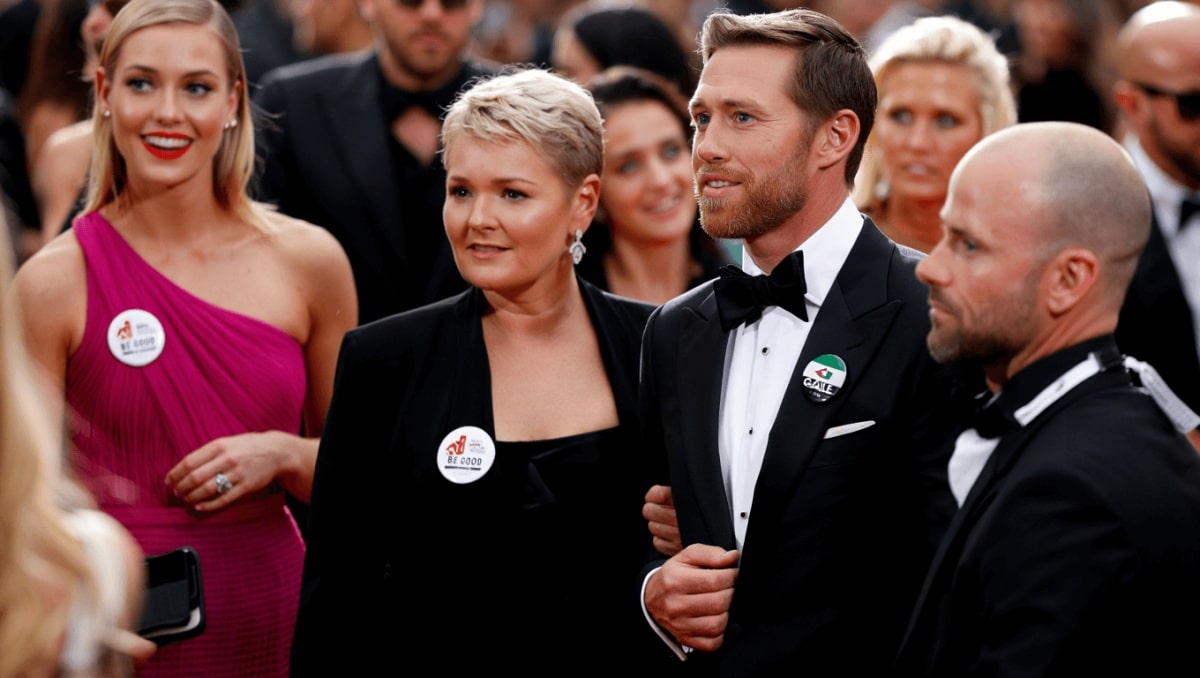
At the 2026 Golden Globes red carpet, a small accessory made a noticeable political and humanitarian statement: several attendees pinned white badges with the words BE GOOD, while others displayed pins supporting a Gaza ceasefire effort. The gestures turned routine red-carpet coverage into a moment of public advocacy, raising questions about the role of celebrities in drawing attention to urgent global issues.
Who wore the pins
Photographs and on-site reporting showed a handful of prominent figures wearing the badges during arrivals and acceptance moments.
Love is Blind season 10 drops new episodes with shocking couple drama, heartbreak
America’s Next Top Model documentary reveals shocking Tyra Banks moment
| Celebrity | Pin | Where it was worn |
|---|---|---|
| Mark Ruffalo | BE GOOD | Lapel |
| Wanda Sykes | BE GOOD | Lapel |
| Jean Smart | BE GOOD | While accepting an award |
| Natasha Lyonne | BE GOOD | On her clutch |
| Hannah Einbinder | Artists4Ceasefire | Lapel |
What the pins represent
A press release circulated to the media described the BE GOOD campaign as a tribute to Renee Macklin Good and Keith Porter and as an appeal to everyday kindness and civic responsibility. The statement framed the pins as a reminder of small acts—like neighbors helping children or bystanders documenting injustices—that collectively reflect what it means to “be good” in difficult times.
On the carpet, Wanda Sykes expanded on the message in an interview with Variety, saying the moment calls for vocal opposition to harmful policies. Her comments underscored how the pins were not only commemorative but intended as a prompt for public action.
Separately, the Artists4Ceasefire pin carried a clearer geopolitical demand. The movement’s website calls for an immediate and permanent ceasefire, the return of hostages and unfettered humanitarian aid to civilians in Gaza—positions several performers have publicly supported this awards season.
Why this matters now
High-profile events like the Golden Globes reach large audiences and generate sustained media attention. When celebrities use the red carpet to display political or humanitarian symbols, the gestures can amplify causes, shape conversation and drive traffic to advocacy campaigns.
- Visibility: Award shows create a concentrated moment of public exposure for small symbols.
- Amplification: Celebrities can quickly steer mainstream attention toward specific requests or organizations.
- Public debate: Such displays often spark discussion about the appropriateness of mixing entertainment and activism.
These pins are unlikely to settle complex policy debates, but they can increase awareness and encourage supporters to seek more information or donate. They also illustrate a broader trend: awards ceremonies remain not just cultural showcases but platforms for civic expression.
For continuing coverage of tonight’s awards, fashion and political statements on the carpet, follow our Golden Globes reporting.