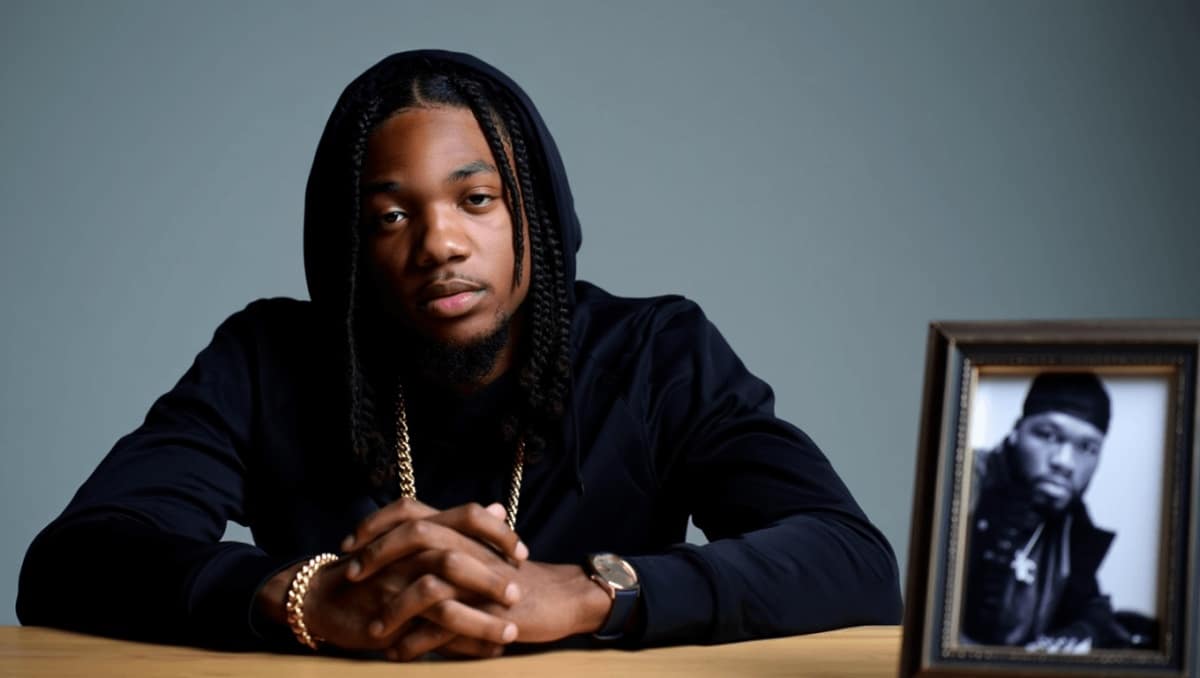
Fetty Wap sat down for his first media interview since leaving prison, and his comments underscore how industry support could shape the next stage of his career. In a wide-ranging conversation, he singled out one figure as especially constant — and suggested that practical and emotional backing from peers matters now more than ever.
On Friday, the New Jersey rapper visited The Breakfast Club to talk about his time behind bars and the network that helped him cope. He repeatedly praised 50 Cent for staying in close contact, saying the veteran rapper offered both financial assistance and steady advice throughout the case and incarceration.
Fetty described calls where 50 pressed him to rethink his choices and pushed him to keep making music — a push Fetty now frames as motivation to return to work. He said 50 “answered the phone” and was involved right up through arrangements for Fetty’s release and return home.
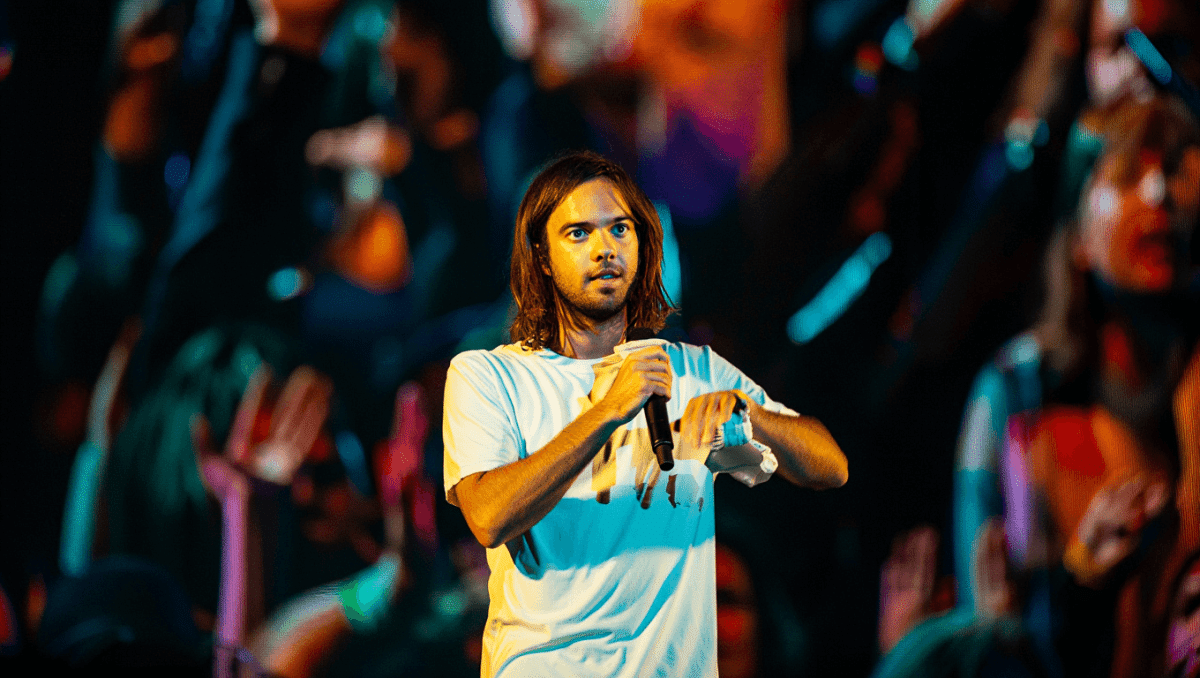
Tame Impala announces summer 2026 North American tour with DJO and Dominic Fike
Savannah Chrisley guest hosts The View this week, fans threaten boycott
50 Cent later reshared a clip from the interview on Instagram, welcoming Fetty home and signaling he’s ready to back the rapper’s next moves.
Other artists also played a role while Fetty was locked up, he said. Names he mentioned include Coi Leray, Chief Keef and Albee Al, each of whom offered help in different ways during his sentence.
- Arrest: September 2021, ahead of a Rolling Loud NYC appearance.
- Plea: August 2022 — pleaded guilty to conspiring to distribute at least 500 grams of cocaine.
- Sentence: May 2023 — received a six-year term.
- Time served: Over three years in a Minnesota facility.
- Release: January 8, 2026 — about 11 months earlier than an expected December release date.
The legal case at the center of his imprisonment alleged involvement in transporting and distributing large quantities of drugs between California and Long Island. Fetty’s guilty plea narrowed the charges to a single conspiracy count, and he has since been navigating reentry into public life and the music business.
What this means now: public endorsements from established artists can accelerate a comeback by opening doors to collaborations, tour support and publicity. They also shape how audiences and industry figures perceive a return after a high-profile conviction.
Fetty’s interview mixes personal reflection with practical matters — money, phone calls, and plans to restart work. That blend matters because it signals he and his allies are focused on both the business side and the personal rehabilitation that follows incarceration.
The full interview with Fetty Wap is available to view online for readers who want the complete conversation and to hear his account in his own words.