Show summary Hide summary
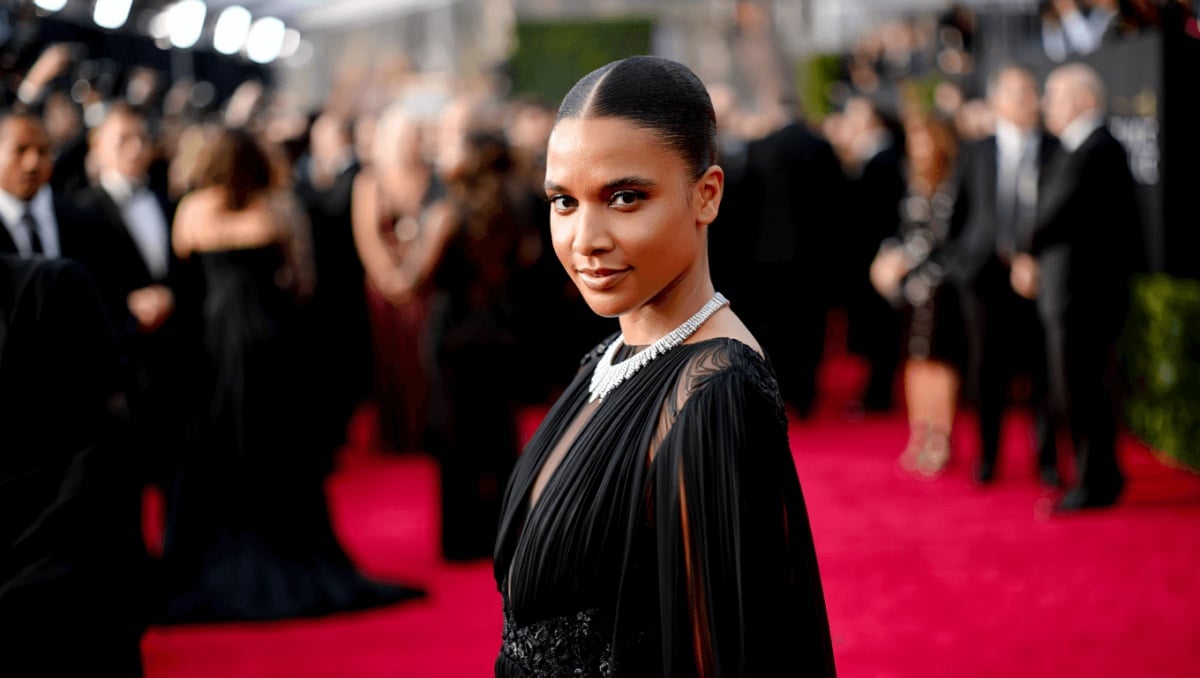
At last weekend’s Critics’ Choice Awards the red carpet doubled as a business ledger: designers and stylists measured success not just by applause but by client wins, media pickup and social buzz. The event made clear that awards-season dressing has become as much about strategic influence — brand deals, ambassadorships and profile-building — as it is about aesthetics.
Why this matters now: with the Golden Globes next on the calendar, the choices made on one carpet can ripple through the entire season, shaping trends, partnership deals and who gets first dibs on top clients.
Who came out ahead
One fashion house stood out by volume and impact. Louis Vuitton dressed a remarkable slate of attendees, a mix of nominees and industry figures whose looks landed across press and social platforms. Several of those clients also collected awards, amplifying the label’s visibility at a critical moment for buying and branding.
Love is Blind season 10 drops new episodes with shocking couple drama, heartbreak
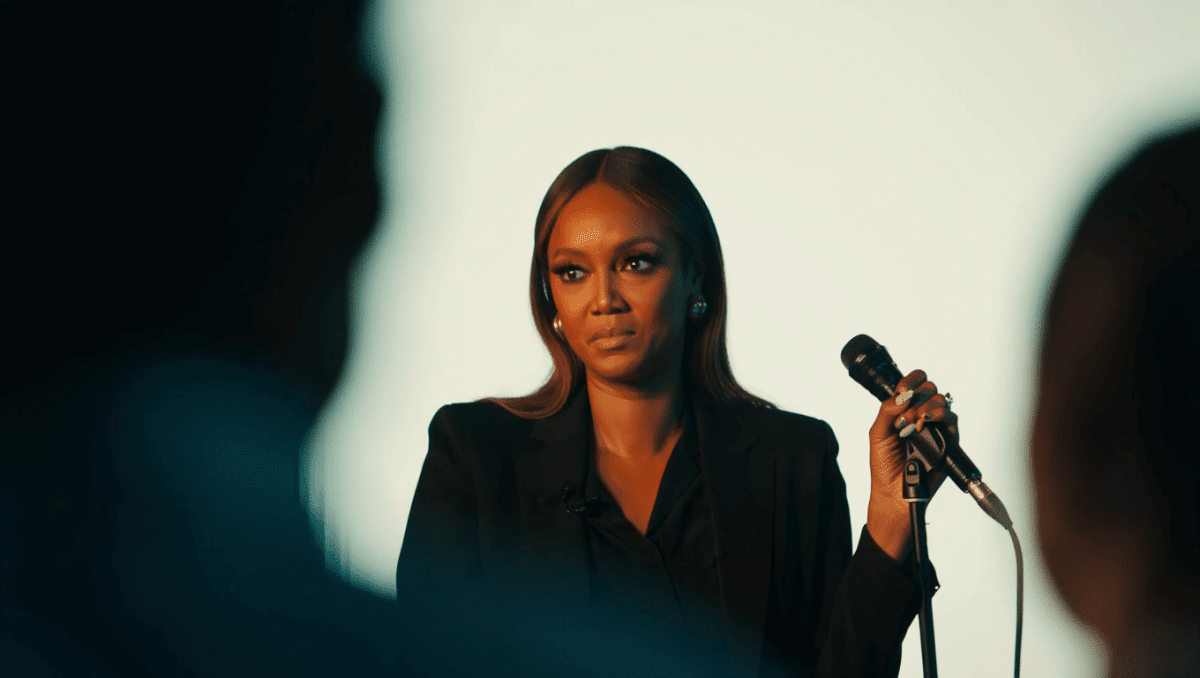
America’s Next Top Model documentary reveals shocking Tyra Banks moment
But dominance by a house isn’t the only measure. Stylists who focused on distinct, memorable statements scored big even without dressing the most people. The night rewarded both a broad sweep and precise, headline-making choices.
Notable stylist wins and moments
Highlights from the carpet that will matter to brands and talent scouts:
- Danielle Goldberg — a study in contrast: a tailored Dior look for a winner that read cool and understated, plus an oversized, punk-leaning Ferragamo for a nominee. Two clients, two very different editorial narratives.
- Wendi and Nicole Ferreira — paired commercial strength with awards visibility by dressing high-profile male winners in bold, tailored looks.
- Ilaria Urbinati — quietly influential, styling multiple male clients across varied silhouettes, showcasing range rather than repetition.
- Wayman & Micah — produced the night’s most photographed appearance with a sunflower-yellow cape and skirt, while also sending another client in a full runway look, increasing their share of voice.
- Karla Welch and other stylists who embraced restraint illustrated a parallel trend: pared-back silhouettes can read as sophisticated counterprogramming to maximalism.
There were also clear signals for menswear. A handful of suits in deep, oxblood tones registered repeatedly, positioning that shade as a seasonal staple for red-carpet tailoring.
Why stylists now wield commercial power
Two forces are reshaping the backstage economy. First, fashion houses increasingly work directly with stylists, paying them or forming long-term relationships that effectively make stylists brand intermediaries. Second, the competition for A-list clients is fiercer, so the metrics that matter have evolved: not just who is wearing a label, but how many clients a stylist places, how often those clients win, and the resulting editorial and social traction.
The payoff is tangible: higher-profile clients, ambassador contracts, and a stronger bargaining position for future campaigns. That equation is already prompting roster changes: several high-profile actors have switched stylists in recent weeks, signaling that representation is as strategic as any agent negotiation.
Quick reference: standout pairings
- Louis Vuitton — multiple attendees styled, several winners among them.
- Notable celebrity–stylist collaborations that drew attention: a mix of runway and refined simplicity across gowns and menswear.
- Emerging menswear cue: deep red/burgundy tailoring as a dominant seasonal shade.
With the Golden Globes looming — a show that typically features a broader roster of nominees, presenters and red-carpet moments — these dynamics are about to be tested on a larger stage. Expect designers and stylists to sharpen their strategies: more bold statements, calculated ambassadorships and an emphasis on turning red-carpet looks into lasting cultural currency.
For readers tracking fashion as industry news, the immediate takeaway is practical: who styles whom now directly affects campaign opportunities and future bookings. The next few weeks will clarify which houses and stylists convert red-carpet placement into long-term advantage.