Show summary Hide summary
Ludwig Göransson took home the Golden Globe for Best Original Score at the 2026 ceremony — but most television viewers never saw the moment. Organizers and the broadcast partners removed the category from the live telecast, a decision that has sparked confusion and criticism online and inside the industry.
What happened during the broadcast
According to the Golden Globes and the networks involved, the category was cut from the televised program for scheduling reasons. Instead, the ceremony air time featured two new awards: the Best Podcast Award and a Cinematic and Box Office Achievement prize.
Those changes meant that while Göransson was officially announced as the winner for his work on Sinners, many viewers missed the moment. The film also received the Cinematic and Box Office Achievement honor during the broadcast. The podcast award went to Good Hang with Amy Poehler.
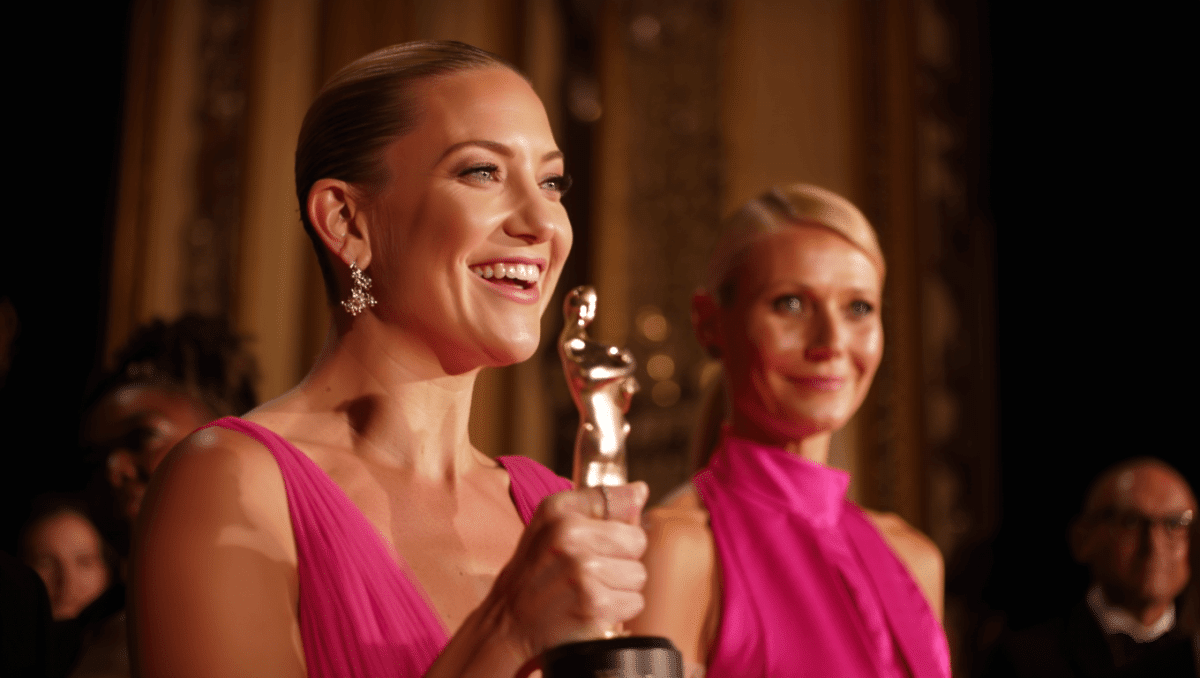
Kate Hudson receives Arlington Artist of the Year Award at Santa Barbara Film Festival
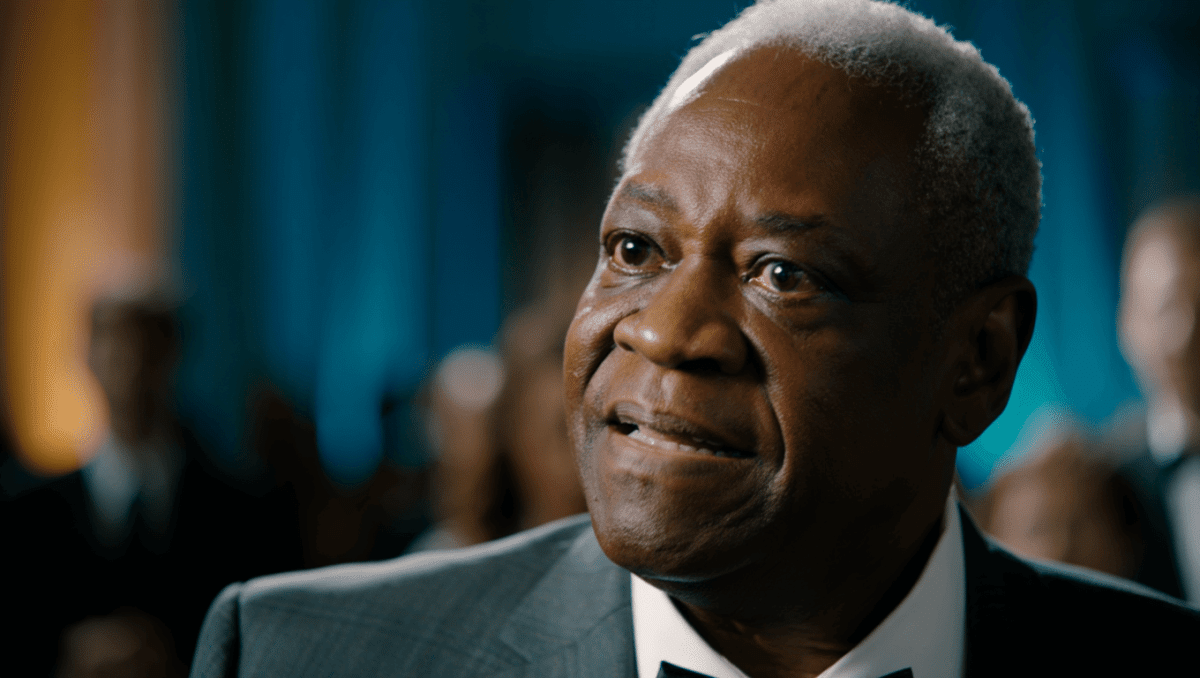
Delroy Lindo wins Outstanding Performer award, pushes Oscar bid forward
Industry reaction and online response
Not everyone accepted the explanation calmly. When asked about the omission, veteran composer Hans Zimmer told Deadline that the decision “feels a little bit ignorant,” a sentiment echoed by numerous social-media users and several professionals who argue that composers already receive limited mainstream visibility.
The reaction highlights a broader frustration: awards for music, sound and other technical crafts often run late in ceremonies or are relegated to online posts, which proponents say diminishes recognition for essential creative contributors.
- Winner: Ludwig Göransson — Best Original Score for Sinners.
- Broadcast change: Best Original Score was not shown live due to time constraints, per organizers.
- New televised categories: Best Podcast Award (won by Good Hang with Amy Poehler) and Cinematic and Box Office Achievement (also won by Sinners).
- Notable response: Hans Zimmer criticized the move to Deadline; social platforms saw widespread confusion and criticism.
Why this matters beyond a telecast cut
Visibility on a major broadcast affects careers. A live televised win offers immediate industry attention, media coverage and social engagement that a post-show announcement rarely matches. For composers and other behind-the-scenes artists, losing that on-air spotlight has practical consequences — from fewer press opportunities to diminished public awareness of their work.
There are also commercial stakes. Networks and producers balance programming to retain viewers and advertisers, which can mean trimming awards perceived as less broadly appealing. But those editorial choices risk alienating professionals and fans who see such categories as core to the craft of filmmaking.
Whether this episode will prompt the Golden Globes and their broadcast partners to rethink how they structure the show remains unclear. The debate does underscore an ongoing tension between running-time logistics and equitable celebration of all filmmaking disciplines.
What do you think about the decision not to broadcast the Best Original Score award? Did the trade-off of new categories for on-air music recognition feel justified, or was it a missed chance to honor creative contributors on a big stage?