Show summary Hide summary
How we define personal style is shifting faster than most wardrobes can keep up. Between faster design cycles, rising resale markets and AI tools that tailor looks to individual lives, style now affects careers, budgets and the environment in immediate ways.
Why style matters right now
Style used to be mostly personal expression; today it carries economic and social signals. Employers, clients and social networks read visual cues quickly, and those cues shape first impressions — online and offline. With rising attention on supply chains and carbon footprints, what you wear can reflect values as much as taste.
Tame Impala announces summer 2026 North American tour with DJO and Dominic Fike
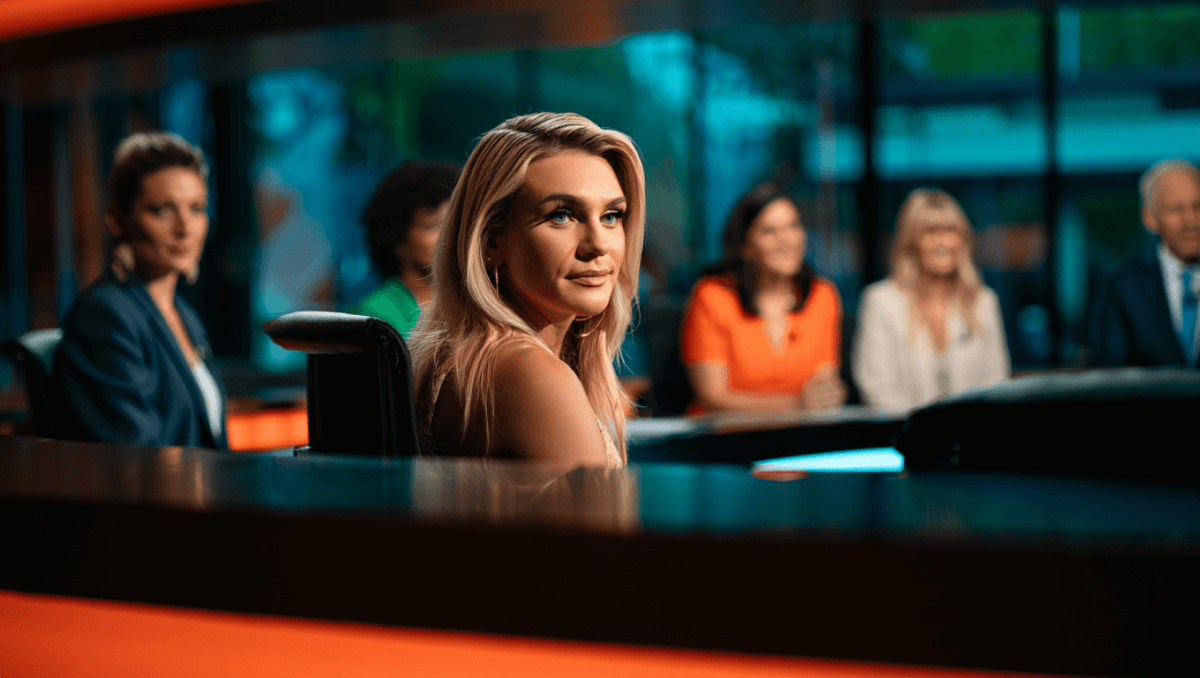
Savannah Chrisley guest hosts The View this week, fans threaten boycott
At the same time, new technologies are lowering barriers to customization. Consumers can get fits and recommendations created by algorithms, while secondhand platforms make high-quality pieces more accessible. That combination is remaking how people build a wardrobe and what smart spending looks like.
Practical changes people are making
Many are trading quantity for versatility: fewer impulse buys, clearer outfit rules for work and leisure, and more attention to repairability. For professionals, a compact set of reliable pieces can be a better investment than chasing seasonal trends — especially when employers now expect polished virtual and in-person presence.
Here are simple steps readers can apply immediately to make style more resilient and relevant:
- Audit your wardrobe: Identify pieces you wear most and why; keep those, donate or resell the rest.
- Choose versatility: Prioritize items that transition between video calls and meetings, or day-to-night outings.
- Invest selectively: Spend more on shoes, outerwear and items that hold shape and fit over time.
- Use data to guide buys: Try virtual fitting tools or platform reviews before purchasing to reduce returns and waste.
- Consider resale and repair: Selling or mending extends a garment’s life and protects your budget.
Retail and industry consequences
Retailers are responding. Inventory strategies increasingly favor modular collections that mix and match, and many brands are expanding buy-back programs. That shift changes how new pieces are priced and marketed, and it also affects the value of midmarket labels versus fast-fashion staples.
For designers, the implication is clear: longevity and transparency are now competitive advantages. For shoppers, it means better tools to discover quality at different price points — but also more decisions to make and more marketing to filter through.
Tech is personalizing taste — with trade-offs
AI-based stylists can speed up outfit selection, reduce mismatches, and suggest long-term investments based on user data. Yet reliance on algorithmic recommendations risks narrowing choices and amplifying trends, which can shorten the useful life of a garment if everyone chases the same look.
Practical balance looks like using personalization to find fit and proportion, while keeping a human voice in choices: what feels authentic and what suits your daily routine.
Environmental and budget stakes
Style decisions now intersect with sustainability in concrete ways. Choosing durable fabrics, favoring repairable construction, and supporting circular marketplaces reduce waste and often save money over time. For households tracking expenses, a thoughtful purchase strategy can lower clothing spend without sacrificing appearance.
Small behaviors add up. Repairing shoes, tailoring a jacket, or choosing less-wash materials reduces both your carbon footprint and the frequency of repurchases.
Quick checklist for sustainable style
- Prefer natural or recycled fibers when functionally appropriate.
- Learn basic repairs: hemming and replacing buttons are low-effort wins.
- Rotate seasonal pieces to avoid over-washing and wear concentrated in a few items.
- Support platforms that provide clear provenance and repair options.
Style is no longer a private aesthetic exercise. It plays a role in career trajectories, household spending and environmental impact. Small, deliberate changes to how you shop and maintain clothing can produce outsized benefits today.
As visual communication continues to dominate professional and social spaces, treating your wardrobe as a component of personal strategy — not just fashion — will be the most practical way to stay current and confident.