Show summary Hide summary
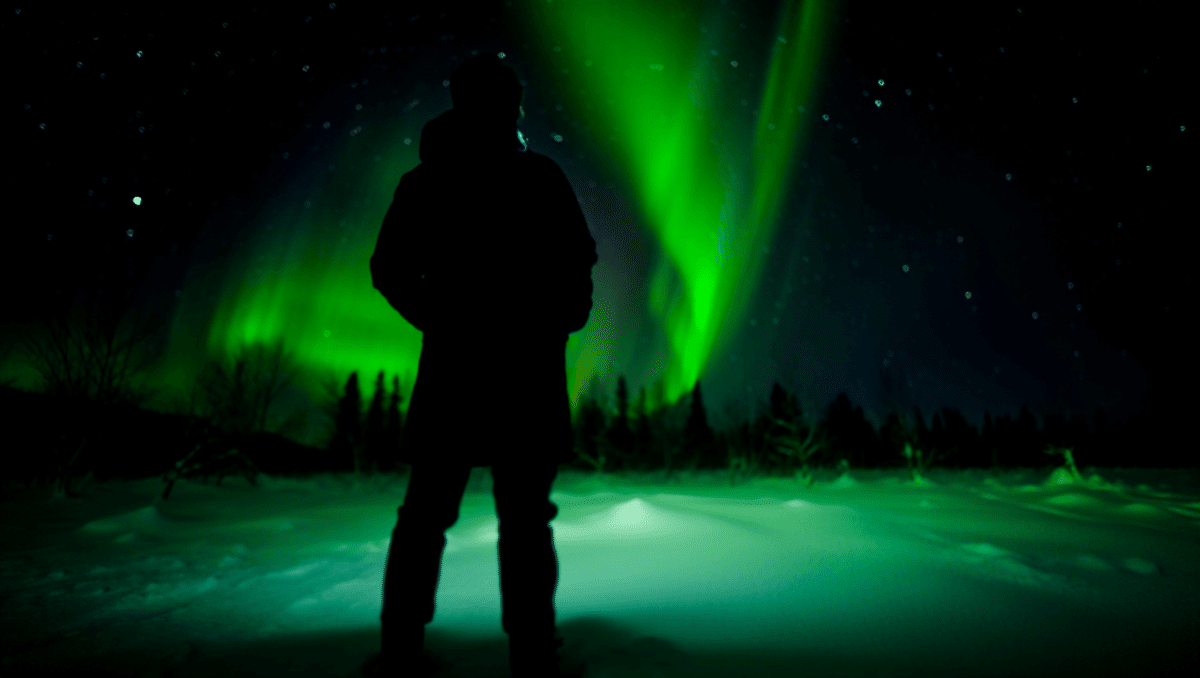
A powerful G3 geomagnetic storm is lighting up skies tonight, bringing brilliant auroras far beyond the Arctic. The Northern Lights won’t disappoint as 20 US states stand ready for an unforgettable celestial show. Head outside between 10 PM and 2 AM to witness this rare natural phenomenon.
🔥 Quick Facts
- Storm Level: G3 (Strong) geomagnetic conditions confirmed by NOAA Space Weather Prediction Center
- Visibility: Aurora borealis observable tonight in 20 northern and western US states through early March 24
- Peak Hours: Best viewing between 10 PM and 2 AM local time when auroras reach maximum intensity
- Requirements: Find high ground away from light pollution with clear skies facing north for optimal viewing
G3 Geomagnetic Storm Delivers Rare Aurora Show Tonight
A powerful G3 geomagnetic storm is actively sweeping across Earth. This strong-class event began on March 22 and continues through tonight. NOAA forecasters expect the aurora to remain visible across northern territories. The solar wind effects are pushing brilliant green and purple displays far south of typical polar boundaries. Tonight marks one of the most active aurora nights of the spring season.
The storm’s intensity makes Northern Lights viewing possible from unusual locations. 18 to 20 US states are in the optimal viewing zone. This represents a rare opportunity for urban residents in the northern half of America. The spring equinox timing combined with peak solar activity creates ideal conditions for aurora chasers.
G3 geomagnetic storm lights up skies, northern lights won’t disappoint tonight
Mexico vs Portugal faces Ronaldo blow as star ruled out
Which States Can See the Northern Lights Tonight
Washington, Oregon, Idaho, Montana, North Dakota, South Dakota offer outstanding viewing prospects tonight. Wisconsin, Minnesota, Michigan, Maine, Vermont, New Hampshire residents should look northward for dancing colors. New York, Illinois, Iowa, Wyoming, and portions of Nebraska are also in the viewline. The storm’s strength determines exactly how far south the aurora reaches. Clear skies are essential across all these regions for best results.
Fairbanks, Alaska will experience intense overhead displays. Northern Canada should see spectacular shows. Viewers in southern states may catch faint glows on the horizon if conditions align perfectly. Light pollution will be the biggest challenge for urban observers. Finding a dark location, even 20 miles outside major cities, dramatically improves visibility.
Aurora Viewing Guide and Best Practices
| Factor | Details |
| Best Time Window | 10 PM to 2 AM local time peak, auroras possible all night |
| Direction | Face north with unobstructed view of horizon |
| Location Requirements | High ground away from streetlights, away from cities when possible |
| Camera Tips | Use manual mode, ISO 1600-3200, 15-25 second exposures for photos |
NOAA forecasters recommend traveling as far north as practical for optimal views. The aurora oval will likely expand southward due to G3 storm strength. Bring warm clothing as nighttime temperatures remain cool in March. Check SWPC aurora viewline maps before heading out to confirm your location is in the forecast zone.
“The northern lights may still be visible tonight through early March 24, after a weekend of strong geomagnetic storms. Forecasters say auroras could extend visible from Utqiaġvik to Anchorage if skies remain clear.”
— People Magazine, Aurora Weather Report
Why March 2026 Marks Peak Aurora Season in North America
March 2026 has emerged as the best month for Northern Lights viewing in nearly a decade. The solar maximum phase is delivering powerful eruptions regularly. Spring equinox timing creates longer evening darkness windows. Scientists confirm this period represents the peak of 11-year solar cycle activity. After 2026, aurora displays will gradually weaken through the 2030s.
The combination of factors makes tonight truly special. High-speed solar wind streams collided with Earth’s magnetosphere over the past 48 hours. The resulting geomagnetic disturbance will persist several more hours. Observers in target states should seize this opportunity tonight. Future G3-level storms will occur regularly through 2026, but tonight’s window won’t repeat exactly.
Can Tonight’s Northern Lights Disappoint, or Will the Show Exceed Expectations
The G3 classification nearly guarantees a memorable display for northern viewers. However, cloud cover remains the biggest variable affecting viewing success. Clear skies are absolutely essential for witnessing the aurora. Even partial clouds will block the view entirely in most cases. Check local weather forecasts before making viewing plans tonight.
Those in optimal viewing zones with clear conditions should expect brilliant green and red auroras dancing across the northern sky. The storm’s intensity may push visible auroras as far south as Kentucky or Virginia if conditions align perfectly. Download the NOAA Space Weather Prediction Center app for real-time aurora forecasts. Tonight promises one of the most spectacular shows of the spring season for Northern Lights enthusiasts.
Sources
- NOAA Space Weather Prediction Center – G3 geomagnetic storm observations and aurora viewline forecasts
- Space.com – Real-time aurora forecast updates and northern lights viewing guidance for March 23
- Forbes – Northern Lights alert coverage for 20 US states with detailed viewing locations