Show summary Hide summary
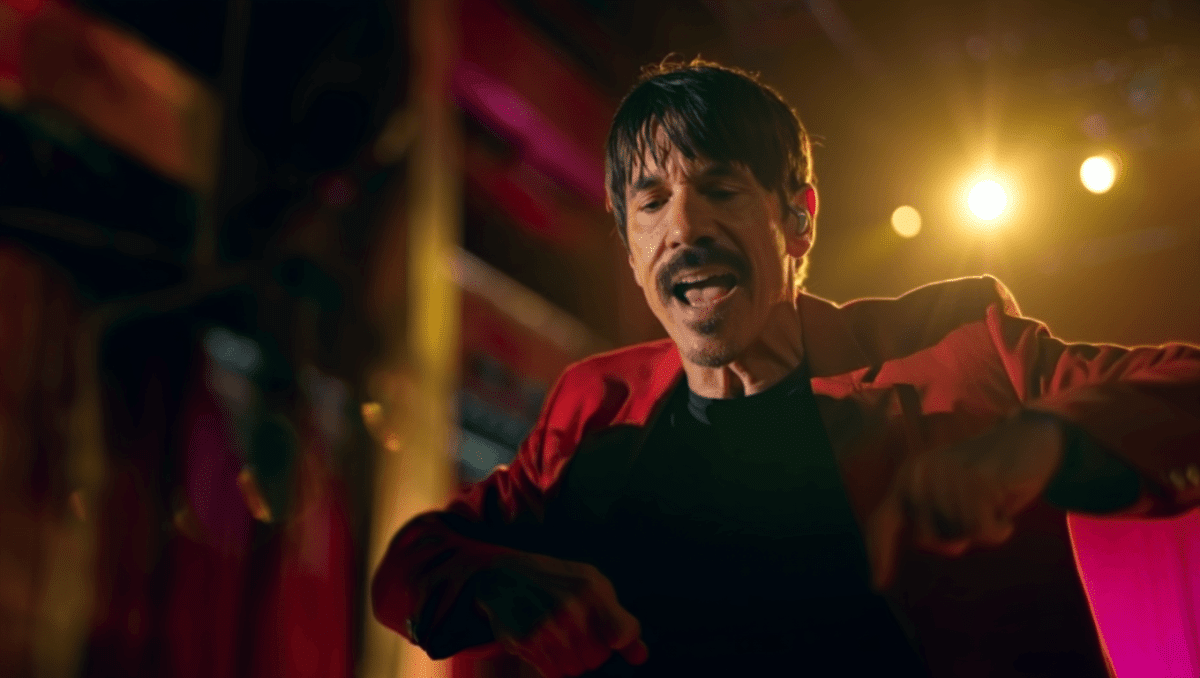
Anthony Kiedis finally revealed the painful truth behind his absence from Hillel Slovak’s funeral in 1988. The surprising confession comes in Netflix’s new documentary that dropped March 20, 2026. His honest reflection about guilt, addiction, and redemption is reshaping how fans understand the band’s tragic past.
🔥 Quick Facts
- Documentary Title: The Rise of the Red Hot Chili Peppers, Our Brother, Hillel, streaming on Netflix now
- Release Date: March 20, 2026, with widespread critical acclaim and fan interest
- Hillel Slovak’s Death: June 1988, accidental heroin overdose at age 26 in Hollywood
- Key Revelation: Kiedis feared Slovak’s mother blamed him and tried to distance himself completely
The Absence That Haunted A Generation
When Hillel Slovak died from an accidental heroin overdose on June 1988, the entire Red Hot Chili Peppers family gathered to say goodbye. Hundreds of people attended the funeral, including fellow band members Flea, drummer Jack Irons, and Slovak’s younger brother James Slovak, who supervised the documentary. But one person was noticeably absent: Anthony Kiedis.
“We had the funeral. All of Hillel’s friends came,” James Slovak says in the film. “A few hundred people outside, you know. Flea was a pallbearer. But Anthony, he was nowhere to be found.” The tone in his voice suggests lingering disappointment even decades later.
Anthony Kiedis reflects on painful past in new Netflix doc, reveals truth about funeral absence
Seth Rollins sparks chaos leading the Masked Men in ongoing Vision feud
For years, fans and bandmates questioned whether Kiedis simply didn’t care or was too consumed by his own struggles to show up.
Addiction, Fear, And The Weight Of Guilt
Now, in the documentary, Kiedis explains what really happened. “I remember hearing that his mother was holding me responsible to some degree,” Kiedis recalls in candid interviews. “I had such a reputation at that time as a druggie. So I decided this is a person who I’m just gonna give space to, forever, and not put her through me. I tried to just disappear.”
The RHCP frontman wasn’t lying about knowing Slovak’s mother blamed him. He genuinely believed she held him accountable for his influence on her son’s addiction. Rather than face her at the funeral, he chose complete avoidance, convinced his presence would only cause more pain.
“The way I dealt with it was to not face the truth,” Kiedis admits. “Not face the sobering reality that his family lost their son, his girlfriend lost her soulmate. We lost our best friend.”
How The Loss Changed Everything
| Event | Impact On Kiedis |
| Hillel Slovak Death (June 1988) | Triggered deeper spiral into heroin, temporary numbness |
| Continued Drug Use Post-Death | Nothing worked anymore, mind wouldn’t shut off |
| Admission Of Powerlessness | Recognized addiction had won, began true sobriety journey |
| Sobriety Begins | Real emotional processing of Slovak’s loss could finally happen |
Slovak’s death marked the turning point in Kiedis’s recovery, though not immediately. “I continued to try to get high for a while, and that truly stopped working,” he explains. “Nothing could shut my mind off at that point. I knew the gig was up.”
“And then the reality just set in: I’m not going to wake up from the bad dream. That kind of began my real journey of becoming sober, and my real journey of dealing with the loss of Hillel.”
— Anthony Kiedis, Red Hot Chili Peppers frontman, Netflix documentary
A Deathbed Redemption Decades Later
For nearly 40 years, Kiedis carried the weight of his absence and assumed rejection. He never reached out to Hillel’s mother because he was convinced she hated him for abandoning the funeral and for his role in enabling Slovak’s addiction. That all changed just recently.
“A couple of years ago, Hillel’s younger brother James reached out to me and said, ‘My mom’s only got a few days left. I think you should come and say goodbye to her,'” Kiedis reveals at the documentary’s emotional climax. “I was like, ‘But I thought she hated me,’ and he’s like, ‘No, she’s loved you this whole time.’ So I went to see Hillel’s mom on her deathbed and had a nice goodbye moment with her.”
That reconciliation came too late to undo decades of pain, but it finally allowed Kiedis to process his grief fully.
Does The Band Support This Documentary?
Interestingly, Red Hot Chili Peppers released a statement distancing themselves from the film. The band claimed they thought they were participating in a Hillel Slovak documentary, not a RHCP documentary. “We have nothing to do with it creatively,” they wrote on Instagram. Yet Kiedis, Flea, Jack Irons, and other original members gave extensive interviews that form the doc’s backbone. The controversy hasn’t diminished viewer interest as the film continues climbing streaming charts.
Sources
- Decider – Red Hot Chili Peppers Netflix documentary analysis and quotes
- People Magazine – Anthony Kiedis deathbed reunion coverage and biographical details
- Netflix – Official documentary streaming information and release details