Show summary Hide summary
- 🔥 Quick Facts
- NATO Chief Warns of Escalating Middle East Tensions
- American Hostages Face Unprecedented Danger in Iranian Prisons
- Economic Crisis Looms as War Disrupts Global Energy Markets
- The Path Forward: Diplomacy Amid Escalation
- Will Trump Administration Prioritize Americans in Iranian Prisons During War?
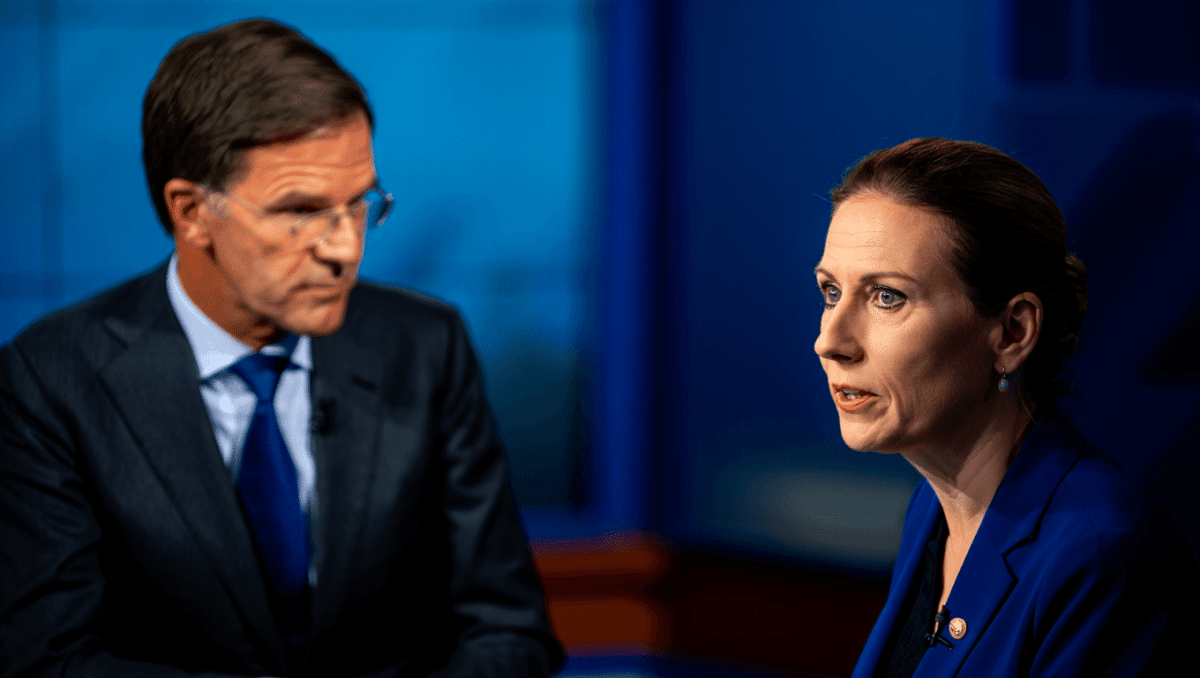
Margaret Brennan tackled the escalating Iranian war and its global implications with NATO Secretary General Mark Rutte and U.N. Ambassador Mike Waltz on today’s Face the Nation. As tensions grip the Middle East, the conversation revealed extraordinary urgency around containing the conflict while protecting Americans detained in Iran and securing critical shipping lanes.
🔥 Quick Facts
- NATO Stance: Secretary General Rutte stated NATO cannot confirm Israel’s assessment regarding missile strikes at Diego Garcia Air Base
- Detainees in Crisis: At least 4 Americans wrongfully detained in Iran’s notorious Evin Prison amid active warfare
- Economic Impact: CBS News poll shows Iranian conflict and rising gas prices fueling economic concerns across the U.S.
- Strait of Hormuz: Iran’s blockade of critical shipping lanes threatens global energy security and international commerce flow
NATO Chief Warns of Escalating Middle East Tensions
Mark Rutte, the NATO Secretary General, addressed the critical geopolitical question directly on Face the Nation today. He emphasized that NATO cannot independently verify Israel’s assessment regarding military engagement, revealing the fog of war surrounding the conflict.
Rutte highlighted NATO’s evolving role in the Middle East crisis, noting that alliance members are navigating unprecedented strategic challenges. Military coordination between the U.S. and Israel has created new tensions with international allies reluctant to escalate involvement further. The messages from Rutte suggest NATO unity remains fragile amid conflicting military objectives and diplomatic concerns.
Box office soars as Project Hail Mary blasts off with biggest 2026 debut
Margaret Brennan tackles Iranian war impact with NATO chief and U.S. ambassador
Brennan’s persistent questioning revealed cracks in the alliance’s coordinated response strategy. Trump’s calls for allies to help secure the Strait of Hormuz have faced resistance from key NATO members focused on other regional priorities. This discord underscores how the Iranian conflict is reshaping traditional Western defense partnerships.
American Hostages Face Unprecedented Danger in Iranian Prisons
Siamak Namazi and Emad Shargi, two formerly detained Americans, joined Margaret Brennan on the show to describe horrifying conditions facing four Americans currently held in Evin Prison. Their testimony was sobering and deeply personal, illustrating the human cost of geopolitical conflict.
Namazi, who spent 8 years imprisoned in Iran, stated this is the most dangerous time for foreign detainees. Military strikes on prison infrastructure create dual threats: physical bomb damage and prisoner violence as inmates seek retaliation against American captives. Evin Prison reportedly transformed into a psychological pressure cooker during wartime.
Designation announcements for two detainees, Reza Valizadeh and Kamran Hekmati, represented a rare acknowledgment of the crisis. Yet advocates worry these Americans remain deprioritized in Trump administration strategy focused on military victory. Roger Carstens, former U.S. Special Envoy for Hostage Affairs, acknowledged that diplomatic channels typically remain separated from military objectives, creating dangerous policy voids.
Economic Crisis Looms as War Disrupts Global Energy Markets
CBS News polling data presented on the broadcast revealed striking American anxiety regarding the Iranian conflict. Nearly two-thirds of Americans express concern that rising gas prices and energy costs specifically stem from Middle East instability, not market dynamics.
Oil markets have responded violently to the escalation, with energy futures spiking following major military operations. Qatar’s natural gas facilities and Iran’s South Pars gas field became direct targets of destructive airstrikes. The economic argument Waltz addressed revealed Washington’s concern that prolonged conflict could trigger stagflation and recession.
Inflation pressures already affecting American households now risk acceleration if Strait of Hormuz blockades disrupt 40% of global oil shipments. Federal Reserve decisions may be constrained by war-driven commodity shocks beyond conventional monetary policy solutions.
The Path Forward: Diplomacy Amid Escalation
All three experts acknowledged the paradox: wars inevitably conclude through negotiation, yet current military momentum drives policy. Envoy Witkoff and Jared Kushner’s indirect talks with Iranian diplomats remain shrouded in secrecy, raising questions about hostage priorities.
Margaret Brennan’s reporting emphasized that American detainees risk becoming collateral damage in broader strategic calculations. Neda Sharghi, whose advocacy secured her brother’s release, pleaded with President Trump to make hostage recovery explicit policy rather than tacit background consideration. Former detainees warned that public awareness gives imprisoned Americans psychological hope in dark cells, making media attention literally lifesaving.
Carstens’ final insight captured the tension perfectly: everyone knows the story ends with detainee release, but the timeline and human suffering remain unknown variables shaped by competing military, economic, and diplomatic pressures reshaping the Middle East.
Will Trump Administration Prioritize Americans in Iranian Prisons During War?
The unresolved question animating today’s Face the Nation episode concerns whether hostage liberation ranks among Trump’s stated war objectives. Brennan’s reporting revealed significant gaps between public rhetoric and behind-the-scenes diplomatic efforts.
Former detainees expressed confidence the President would act if fully informed of cases and names. Yet bureaucratic compartmentalization means hostage concerns may be deliberately segregated from Pentagon strategy to avoid mission creep. NATO allies and international partners pursuing their own Middle East interests could either aid or obstruct negotiated prisoner releases.
Ukraine situation parallels showed Trump is capable of securing prisoner exchanges, but that record existed outside active high-intensity warfare. The Iranian conflict represents uncharted territory where simultaneous military operations, economic sanctions, and diplomatic negotiations must somehow align to save American lives trapped in history’s crossfire.
Sources
- CBS News – Face the Nation full episode with Mark Rutte, Mike Waltz, and former Iran detainees, March 22, 2026
- Center for Strategic and International Studies – The Iran Endgame podcast featuring Margaret Brennan on nuclear program analysis, March 20, 2026
- CBS News Poll Data – American economic concerns regarding Iranian conflict and energy prices impact study