Show summary Hide summary
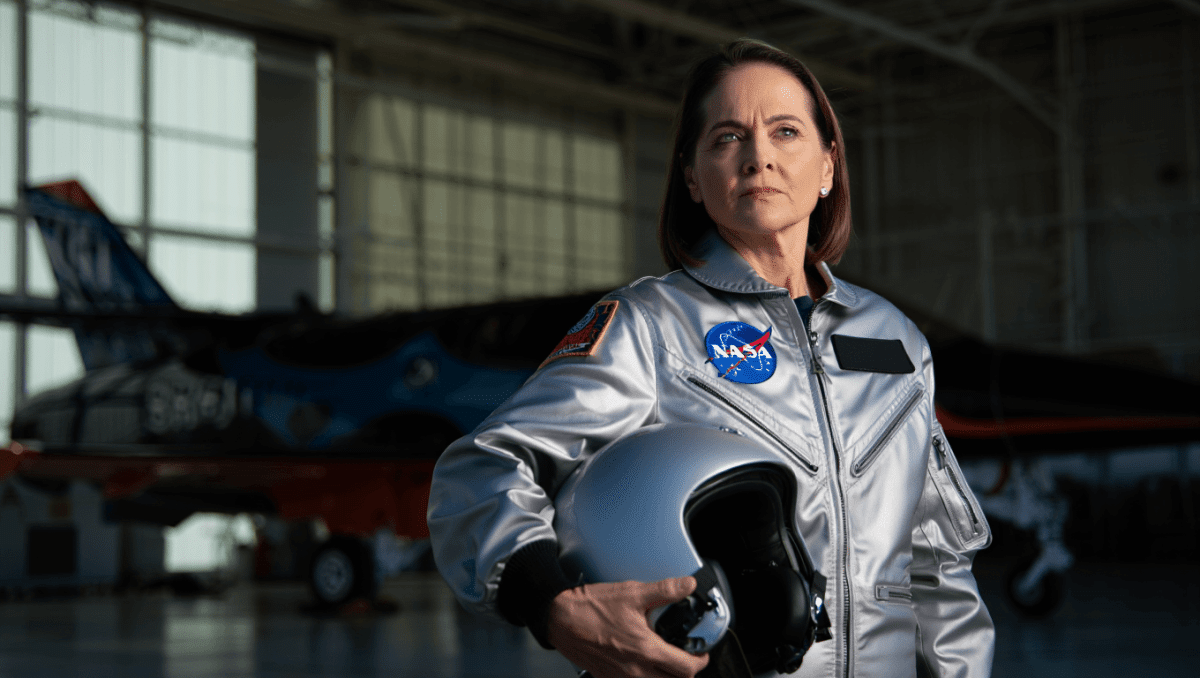
Eileen Collins just became the subject of a landmark documentary revealing her extraordinary journey. Spacewoman premiered at DOC NYC in November 2024 and lands in US theaters March 20, 2026. The 93-minute film tells how a working-class girl from Elmira, New York became the first woman to pilot and command a Space Shuttle.
🔥 Quick Facts
- Documentary Title: Spacewoman, directed by Hannah Berryman, 93 minutes, now in select US theaters
- Historic Achievement: Eileen Collins was the first woman to pilot a Space Shuttle in 1995, then the first to command one in 1999
- Release Date: Opened March 20, 2026 at Quad Cinema in New York City, expanding to more theaters nationwide
- Core Story: Chronicles Collins’ path from poverty and family struggles to leading critical NASA missions, including return to flight after Columbia disaster
From Elmira Streets to Historic Space Missions
Spacewoman opens with Eileen Collins’ childhood in Elmira, New York. The documentary doesn’t shy away from hard truths. Her father battled alcoholism, her parents struggled financially, and the family relied on government assistance. Yet Collins found resilience watching her parents persist through adversity. She learned invaluable lessons: her father told her, “Don’t follow the crowd,” while her mother emphasized that everyone possesses unique talents worth developing.
This foundation shaped everything. Collins earned her pilot’s license as a teenager, defying expectations. She joined the Air Force as a test pilot and flight instructor, becoming one of the few women in her squadrons. By 1995, she made history flying Space Shuttle Discovery on STS-63, then commanded her own mission in 1999. Director Hannah Berryman masterfully portrays how childhood grit became cosmic courage.
Something Very Bad Is Going to Happen drops on Netflix March 26
Eileen Collins’ historic journey piloting space just got a documentary
Breaking Male-Dominated Barriers with Intelligence
Working in overwhelmingly male fields taught Collins a critical lesson: visibility meant scrutiny. Everyone knew her name, and everyone noticed her mistakes. Rather than retreat, she studied relentlessly. Collins walked airplane hangars examining hydraulic systems, memorized space shuttle emergency procedures during motherhood, and became the smartest person in every room through sheer determination.
Spacewoman features Collins discussing her strategy with candor. She reveals that standing out required working harder, but this became her advantage. “I wanted to be smarter than every guy in my squadron,” she states in interviews. The documentary captures how she juggled motherhood and demanding astronaut training, reading shuttle manuals to her daughter. This wasn’t sacrifice, she explains, but sustainable excellence through purpose and love for her dual roles.
A Historic Flight After Tragedy
The documentary’s emotional centerpiece arrives with Space Shuttle Columbia’s loss in 2003. Collins commanded the return to flight mission (STS-114), piloting Space Shuttle Discovery back to space with the weight of the entire space program on her shoulders. The film features interviews with flight directors, crew members, and Collins’ family, revealing the personal cost of leadership during crisis.
| Documentary Detail | Information |
| Title | Spacewoman |
| Director | Hannah Berryman |
| Release Date | March 20, 2026 (US theatrical release) |
| Running Time | 93 minutes |
| Subject | Astronaut Eileen Collins, first woman to pilot and command Space Shuttle |
Collins’ daughter Bridget appears in interviews discussing her fear during missions, especially after Columbia. Her son Tim also reflects on having an astronaut mother. The film beautifully captures how personal relationships endured alongside professional history. Collins addresses balancing motherhood and astronaut work, noting that loving what she did gave her energy to excel at both roles.
“I wanted to be smarter than every guy in my squadron. I wanted to be the smartest. That was not a detriment, it was a plus. I was a better pilot because I worked harder.”
— Eileen Collins, astronaut and space shuttle pilot
Why This Documentary Matters Now, Beyond the Achievements
Spacewoman isn’t just a space program success story. It’s a testament to resilience in the face of systemic obstacles. Collins discusses a pivotal moment early in her Air Force career when she refused an order and stood up for integrity, nearly facing demotion until she advocated for herself. The documentary shows how speaking truth cost her socially but earned respect militarily.
For young women watching, the film delivers multiple take-aways. Collins emphasizes reading case studies about industry mistakes, understanding her field thoroughly, and using visibility as motivation rather than burden. She also credits excellent NASA training for building her confidence, reminding viewers that preparation overcomes doubt. The 96-year-old legacy of achieving nearly impossible firsts becomes a blueprint for breaking other barriers.
Can One Documentary Inspire the Next Generation of Space Explorers?
Reynolds, Berryman, and the film’s interviewees seem confident Spacewoman will resonate. The documentary premiered at multiple film festivals, earning strong reviews. Critics called it “heartwarming,” “inspirational,” and “nail-biting.” Roger Ebert gave it 3 out of 4 stars, praising how it balances technical achievement with human vulnerability. The New York Times review highlighted Hannah Berryman’s direction for managing pride, sacrifice, and triumph.
Spacewoman opens nationwide following its March 20 debut. Collins, now 69 years old, continues serving as an aerospace consultant and adviser to space programs. The film ultimately asks: if a working-class girl from poverty could command humanity’s most complex machine, what barriers can your generation shatter? Spacewoman suggests the answer has never been clearer.