Show summary Hide summary
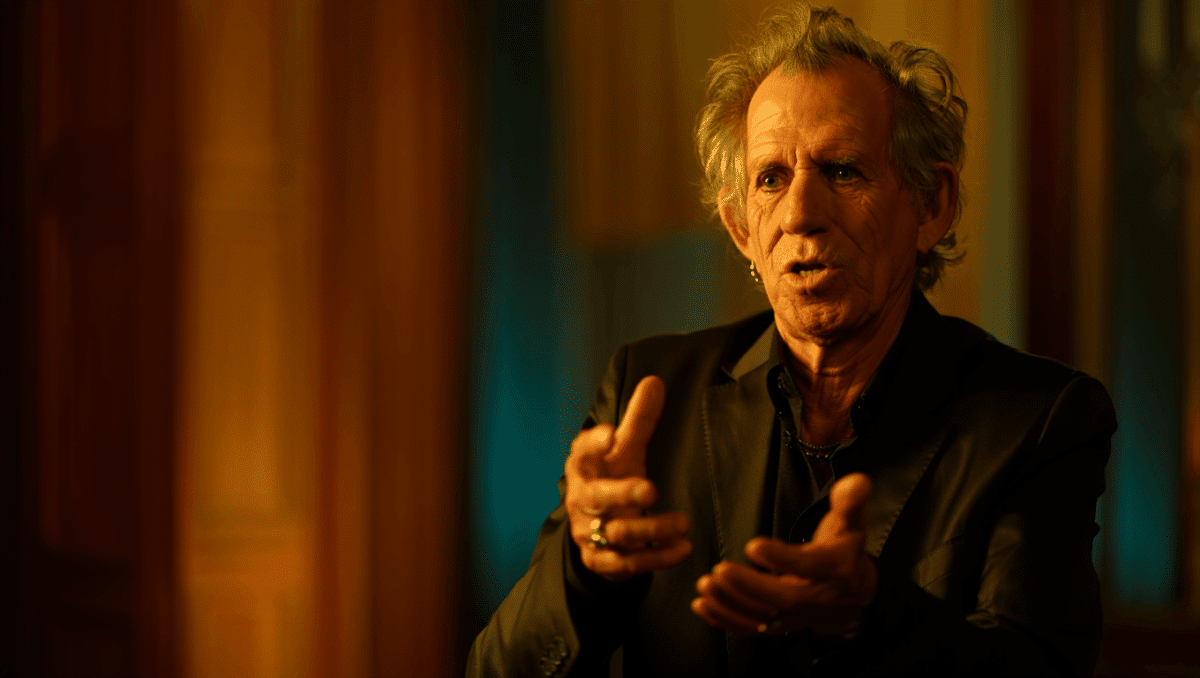
Keith Richards has just revealed a major shift in how he views Mick Jagger. The Rolling Stones guitarist opened up about a “weird period” that ultimately gave him profound new respect. For the frontman’s crucial role in the legendary band.
🔥 Quick Facts
- Reflection Date: Keith Richards made these comments to Zane Lowe in a recent interview
- The Turning Point: Richards fronted The X-Pensive Winos in the 1980s, releasing “Talk is Cheap”
- Golden Era: The Rolling Stones dominated the 1960s and 1970s with critical acclaim
- New Appreciation: Richards now understands Jagger’s demanding role as band frontman and leader
A “Weird Period” That Changed Everything
Keith Richards recently told Zane Lowe that the 1980s marked a turning point. The Rolling Stones guitarist described it as “a weird period,” yet necessary. During this time, Richards stepped out from Mick Jagger’s shadow to front his own band. The X-Pensive Winos gave him invaluable experience performing as a true frontman. Richards emphasized this wasn’t a permanent split. Instead, it became a crucial learning phase for understanding Jagger’s demanding role in the Rolling Stones.
Looking back, Richards credits this break as “necessary.” He returned to the band stronger and with fresh perspective. The experience transformed his understanding of what it takes to lead a world-class rock band night after night.
Keith Richards reflects on newfound appreciation for Mick Jagger’s role
Who died today: Chuck Norris, action legend and Walker Texas Ranger star, dead at 86
Understanding Mick’s Unrelenting Demands
Keith Richards sheds light on the brutal reality of being a frontman. Jagger must perform non-stop while Richards can “slide his time” in the Stones. Richards stated, “you’re out there all the time. I mean, you are nonstop.” This revelation shows he now grasps the constant pressure. The frontman faces during tours and performances, where pacing isn’t an option.
Richards noted that his solo work “tightened me up a lot.” When he returned to the Stones, he brought this “much tighter feel” and deeper knowledge back. His experience singing and playing guitar simultaneously with The X-Pensive Winos taught him discipline. It also taught him respect for Mick Jagger’s unparalleled work ethic and stage presence.
The Rolling Stones’ Golden Age and Subsequent Challenges
The Rolling Stones reached legendary status during the 1960s and 1970s. Albums like “Beggars Banquet,” “Let It Bleed,” and “Exile on Main St.” defined rock music. Jagger’s dynamic vocals paired with Richards’ revolutionary guitar work created magic. However, periods of tension and separation tested their partnership, including when Jagger pursued solo projects. The band eventually reunited stronger, with Richards now understanding costs of maintaining such success.
| Era or Topic | Details |
| Golden Years | 1960s-1970s: Critical acclaim and cultural impact |
| The X-Pensive Winos | 1988: Keith Richards’ “Talk is Cheap” solo album and tour |
| Key Albums | “Beggars Banquet,” “Sticky Fingers,” “Exile on Main St.” |
| Recent Years | Continued touring until recent health considerations |
“It was a weird period. Looking back on it now, it was a necessary hiatus. Once we started back again, I felt stronger than I had for a long time. I had learned a lot more about being the frontman. In other words, I came back to the Stones with a lot more knowledge of what Mick’s job entails.”
— Keith Richards, in interview with Zane Lowe
The Evolution of Rock’s Most Iconic Partnership
The Richards-Jagger partnership stands as rock music’s most productive songwriting duo. Together, they created hits including “(I Can’t Get No) Satisfaction,” “Sympathy for the Devil,” and countless others. Richards’ newfound appreciation signals maturity in how he views their relationship. Rather than viewing Jagger as merely a vocalist, Richards now recognizes him as the essential force. He understands the frontman’s burden of leading the world’s greatest rock band.
Richards’ reflections come at a time when the Stones are reevaluating their future. The band recently postponed touring plans due to Richards’ health considerations. Yet his comments show his mind remains sharp and focused on legacy. The guitarist’s willingness to publicly acknowledge Jagger’s critical importance marks a significant moment.
What Does Keith Richards’ Admission Mean for the Rolling Stones Moving Forward?
Richards’ revelation about respecting Mick Jagger’s role raises crucial questions. Can the band continue without both legendary members at full capacity. Keith Richards is now 82 years old, while Mick Jagger remains 82 years old as well. Despite their age, both men continue showing passion for music and performing. Richards’ comments suggest he wants to honor what Jagger brings to every performance.
The future remains uncertain, but Richards’ words hint at respect and gratitude. After decades of rivalry, creative tension, and occasional conflict, he now publicly celebrates Jagger’s indispensable contributions. This shift in perspective could influence how the iconic duo navigates their final chapters together. Will fans see future performances. Only time will reveal whether Richards’ newfound appreciation translates into reunion plans.
Sources
- Cult Following: Keith Richards reflects on weird period for The Rolling Stones and newfound appreciation for Mick Jagger
- Gold Radio: Keith Richards speaks about his 1980s solo career and learning from The X-Pensive Winos experience
- Wikipedia: Overview of The Rolling Stones history, albums, and cultural impact from 1960s-1970s