Show summary Hide summary
Quentin Tarantino just shocked Hollywood by teaming up with Sylvester Stallone to direct a 1930s gangster series, breaking nearly 3 decades of creative tension. The collaboration, announced today, marks their first major project together after Stallone turned down two Tarantino roles. It will be shot entirely in black and white using 1930s cameras for authentic period authenticity.
🔥 Quick Facts
- Project Format: Six-part limited series about gangsters, showgirls, boxing, and music
- Creative Team: Tarantino writes and co-directs with Stallone handling directorial duties behind the camera
- Visual Style: Completely shot in black and white using authentic 1930s cinematography equipment
- Cast Status: TBA, but Stallone confirmed to work exclusively as director, not actor
A Dream Collision of Two Hollywood Legends
Tarantino has publicly praised Stallone for years, citing ‘Rocky’ (1976) as a major inspiration in his youth. The filmmaker has repeatedly called Stallone a ‘great actor’ and genre innovator. In his book ‘Cinema Speculation,’ Tarantino described Stallone’s directorial debut ‘Paradise Alley’ as ‘the purest expression of a particular vision.’ This new partnership finally channels that mutual admiration into tangible collaboration. For Stallone, 79, this represents a major directorial opportunity with a visionary filmmaker at the height of creative ambition.
The 1930s setting aligns perfectly with both creators’ extensive experience in the era. Tarantino famously directed ‘Inglourious Basterds,’ which featured 1939 sequences set in Nazi-occupied Paris. Stallone starred as real-life mob enforcer Frank Nitti in the film ‘Capone,’ an early 1930s crime drama. Both artists bring authentic period awareness to this ambitious project.
Arnold Schwarzenegger reveals he’s returning to Conan, Predator, Commando sequels
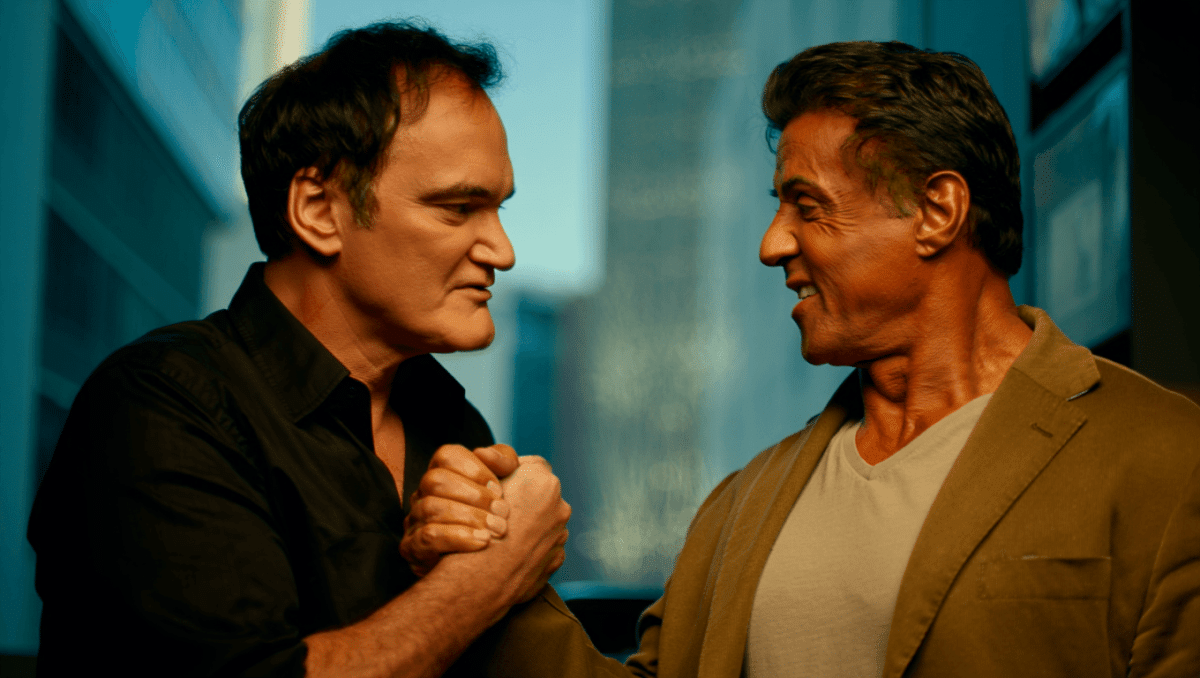
Sylvester Stallone teams up with Quentin Tarantino for 1930s black-and-white gangster series
Why This Collaboration Matters Now
This union resolves decades of professional distance. Stallone famously turned down two Tarantino acting roles, rejecting the part of Louis Gara in ‘Jackie Brown’ (1997) and Stuntman Mike McKay in ‘Death Proof’ (2007) due to creative differences. Those rejections made Stallone one of only a handful of A-list actors who declined Tarantino twice. Now, instead of acting in his vision, Stallone will shape Tarantino’s concept visually. This role reversal transforms their relationship into a true partnership between equals.
Tarantino has also been exploring television as a creative medium, having announced in 2022 plans for an eight-episode series. This six-part project may represent that evolution, showcasing his transition from cinema to prestige television with full directorial control.
Five Key Elements of the Series
| Element | Details |
| Time Period | 1930s era, Prohibition and Depression-era New York |
| Format | Six-part limited series featuring gangsters, showgirls, boxing, music |
| Cinematography | Black and white exclusively, shot on 1930s cameras for authenticity |
| Cast | To be announced; Stallone directing only |
| Status | Just announced March 20, 2026 |
“According to TMZ sources, Stallone will be behind the camera, not in front of it, making this a pure directorial collaboration with Tarantino controlling the writing and co-directing duties.”
Sources, Entertainment Industry Insiders
The Visual Revolution of Period Filmmaking
The decision to use 1930s cameras exclusively represents an unprecedented commitment to authenticity in prestige television. Both Tarantino and Stallone have experimented with black and white cinematography throughout their careers, adding texture and gravitas to period work. Tarantino’s earlier films occasionally featured monochromatic sequences, creating a distinct visual language separate from color cinematography. Stallone’s 1978 directorial debut ‘Paradise Alley’ captured gritty New York City ambiance with raw, character-driven storytelling.
Using actual vintage cameras from the 1930s eliminates digital artificiality and creates genuine grain, contrast, and light behavior authentic to the era. This technical choice signifies both directors’ refusal to compromise artistic vision for convenience. The series promises viewers an immersive temporal experience rarely achieved in contemporary television.
What Questions Remain About This Historic Pairing?
Will this collaboration finally cement Tarantino’s return to directing after his recent hiatus from feature filmmaking? Can Stallone’s directorial expertise elevate Tarantino’s storytelling in unexpected ways? Who will inhabit the complex roles of gangsters, showgirls, and fighters in this 1930s underworld saga? Hollywood waits for casting announcements that could reshape prestige television’s landscape. The sixth and final project in Tarantino’s legendary career may surprise everyone by being a television series rather than a feature film, rewriting industry expectations about what constitutes an auteur’s defining work.
Sources
- TMZ Breaking exclusive report on Tarantino-Stallone partnership announcement
- World of Reel In-depth analysis of creative collaboration and historical context
- Fox Entertainment News Coverage of 1930s-set limited series details and production logistics