Show summary Hide summary
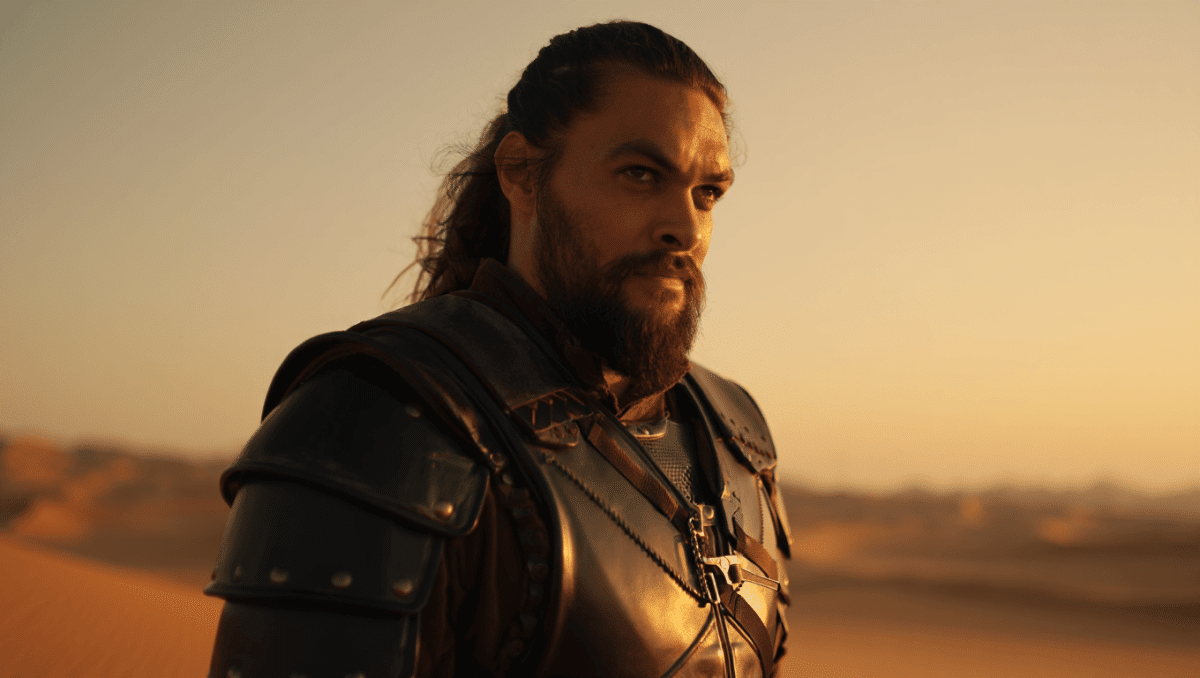
Jason Momoa just asked the question all Dune fans were dying to know at a special Dune Part Three trailer event this week. At the Los Angeles event, Denis Villeneuve revealed the shocking science behind Duncan Idaho’s return to the epic saga. The mystery of how Momoa’s character comes back from the dead after dying in the first film finally has an answer.
🔥 Quick Facts
- Event Date: Dune Part Three trailer event held March 17-18, 2026 in Los Angeles
- Duncan’s Return: Character comes back as a ghola (artificial clone) created by the Bene Tleilax
- New Identity: In Dune Messiah storyline, Duncan’s ghola is named Hayt and trains new warriors
- Release Date: Dune Part Three arrives in theaters December 18, 2026
Momoa Asks Villeneuve the Burning Question
At the trailer event, Jason Momoa stood before director Denis Villeneuve with only one pressing question. “I loved Dune Two,” Momoa said. “But there was one thing missing, one key ingredient.” He then asked point-blank: “Why did you kill me off in the first one, and why am I back now?” Villeneuve laughed and explained that Duncan Idaho was simply too charismatic to stay dead.
The filmmaker revealed that the return was always part of his vision. “He created this tremendous, charismatic character that our heart was broken seeing fall,” Villeneuve explained. “Then came the desire to see him back. And he comes back just at the right moment in the story. It’s a very, very important comeback.” Paul Atreides struggles with power and identity, and having this strong Atreides figure returning will reshape the entire narrative.
Jason Momoa asks Denis Villeneuve how Duncan Idaho returns in Dune 3 trailer event
Justin Bieber in heated exchange with Usher at Oscars after-party last night
The Science of Resurrection
How exactly does Duncan Idaho return? The answer lies in Frank Herbert’s Dune universe and a technology few have heard of. The Bene Tleilax, masters of genetic engineering, can create gholas, which are artificial humans grown from a single cell of deceased individuals. Unlike simple clones, gholas are blank slates conditioned for specific purposes. Duncan’s ghola requires minimal genetic material to become fully functional within years instead of decades.
In Dune: Messiah, the book this film adapts, Duncan Idaho’s ghola gets named Hayt and is tasked with training House Atreides’ new generation of warriors. Villeneuve has expanded this concept for his final Dune film. The character becomes far more important than anyone expected, becoming pivotal to Paul’s entire arc and struggle. Momentum builds as a 17-year gap separates Parts Two and Three.
| Detail | Information |
| Release Date | December 18, 2026 |
| Platform | Theatrical, IMAX |
| Cast | Timothée Chalamet, Zendaya, Robert Pattinson, Jason Momoa, Anya Taylor-Joy |
| Director | Denis Villeneuve |
“Paul is struggling with his identity and having that strong Atreides figure coming back from the past will have a tremendous impact. I will say that he’s fully back.”
— Denis Villeneuve, Director
The 17-Year Time Jump Changes Everything
Dune Part Three takes a major narrative leap into the future. Paul Atreides, played by Timothée Chalamet, is now an emperor dealing with catastrophic consequences. The 17-year gap shows Paul grappling with whether power corrupts absolutely. He’s trapped in a cycle of violence and war, seeking any way to escape. Meanwhile, Paul and Chani share intimate scenes where she asks about their future. The chemistry between them remains the emotional heartbeat of the entire franchise.
Robert Pattinson joins as Scytale, a shape-shifting villain who threatens Paul’s reign. Anya Taylor-Joy plays Alia Atreides, Paul’s powerful sister who wields significant influence. New planets, conspiracies, and betrayals will test whether Paul can maintain control. Duncan’s return as Hayt signals hope but also uncertainty about his true loyalties and personality.
Watch the Official Dune Part Three Trailer
Watch the Official Teaser

Why Does Jason Momoa’s Return Matter So Much?
Duncan Idaho is far more than a returning character. Across Frank Herbert’s entire six-book saga, Duncan becomes one of the most important figures in Paul’s bloodline. In the books, ghola resurrections of Duncan appear throughout generations. Villeneuve’s adaptation hints that this comeback will reshape expectations about identity, loyalty, and what it means to be human. Momoa’s charisma makes this version feel fresh while honoring the source material.
The trailer event revealed that Villeneuve has packed this finale with emotional weight. Paul must confront who he has become. Duncan’s unexpected presence will force Paul to question his own humanity and power. Will Duncan be ally or spy? This tension drives the entire plot forward through December 18th and beyond. Fans have waited years for this answer, and Momoa’s humorous questions at the event reflected everyone’s genuine curiosity.
Sources
- Yahoo Entertainment – Coverage of the Dune Part Three trailer event and Jason Momoa’s direct questions to Denis Villeneuve
- ComicBook.com – In-depth explanation of Duncan Idaho’s ghola resurrection and the Bene Tleilax genetic engineering system
- Polygon – Analysis of how Duncan Idaho becomes the most important character across Frank Herbert’s Dune saga