Show summary Hide summary
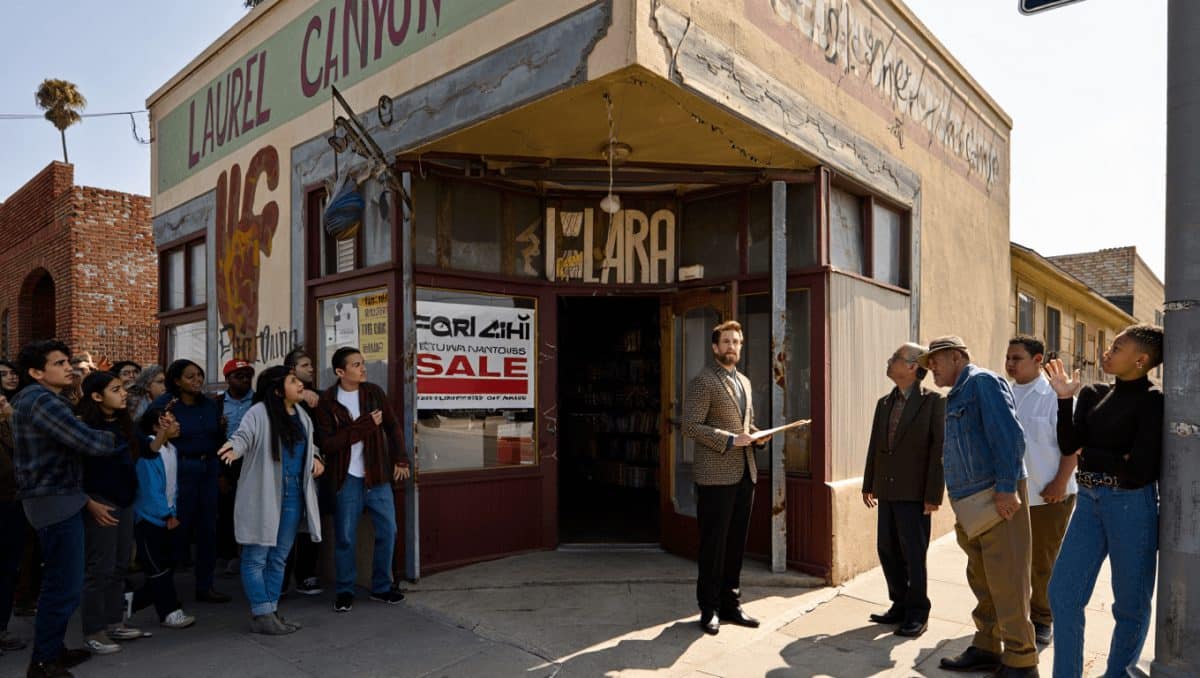
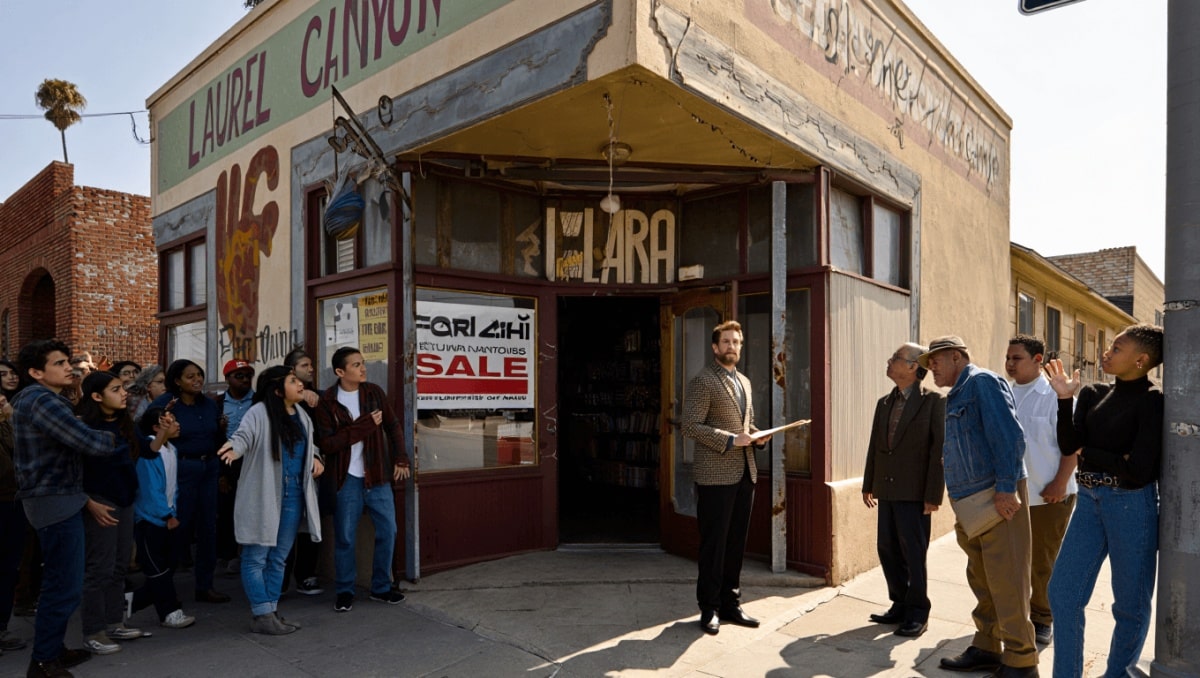
The corner store that became a touchstone of Laurel Canyon’s 1960s music scene has changed hands, touching off a debate about its future and the fate of Los Angeles landmarks. Locals and at least one co‑owner say the sale was handled behind closed doors, while others insist rumors about an imminent conversion to a liquor outlet are unfounded.
The small, weathered shop at Laurel Canyon and Lookout Mountain Avenue has a long cultural footprint: it was a hangout for musicians and artists during the bohemian years, is associated with Cass Elliot and was name‑checked by Jim Morrison in the Doors’ song often linked to Laurel Canyon lore. That history is why news of the sale has generated quick and emotional reactions from residents and preservation advocates.
What owners say
Co‑owner Tommy Bina posted a video in early February saying he learned the store had been sold without his consent and urging supporters to show up at the shop. Bina’s message spread through community channels and raised immediate concern about the building’s future.
Laurel Canyon owner seeks to convert Jim Morrison’s favorite hangout into liquor mart
Chuck Norris hospitalized after medical emergency in Hawaii, 86-year-old in good spirits
When reporters visited the store, another owner, David Shamsa, 82, gave a different account. Shamsa said he and three other investors—partners who acquired the business in 1982—decided to sell after decades of stewardship because two partners are ready to retire. He disputed the idea that Bina was intentionally excluded and said the long‑standing rumors of a liquor‑store conversion are inaccurate.
Shamsa also noted that one partner who has since died left his share to Bina, which complicates the ownership dynamic. He emphasized that the investors have tried to preserve the shop’s character through the years, making only modest changes such as a coffee cart in 2000.
What’s at stake for the neighborhood
Even if the new owners do not immediately alter the storefront, the sale raises broader questions about the preservation of local landmarks. Small, culturally significant businesses in Los Angeles have increasingly been replaced or repurposed as property values and development pressures rise.
- Location: Laurel Canyon & Lookout Mountain Ave — a known music‑scene crossroads.
- Sale confirmed: Current co‑owners say the property has been sold; one co‑owner disputes being informed.
- Owners’ ages: Sellers include partners in their 80s and 90s planning retirement; one co‑owner in his 60s wants to remain involved.
- Rumors: Reports of a conversion into a liquor store have circulated; at least one owner calls those reports false.
- Next steps: Any change of use, such as adding an alcohol license or reconfiguring the building, would require permits and local approvals.
Converting a neighborhood business into a different use—especially one selling alcohol—typically requires approvals from city planning and the state Department of Alcoholic Beverage Control. That process provides formal opportunities for community input and review, meaning the outcome is not determined solely by a sales contract.
How the community can respond
Residents who want to weigh in can monitor local planning notices and attend community or neighborhood council meetings where land‑use changes are discussed. Preservation groups sometimes pursue landmark status or work with buyers to craft adaptive reuse plans that retain historic character.
The store’s sale is the latest example of how popular memory and ownership realities collide in Los Angeles. Whether the Canyon Country Store remains a nostalgic gathering spot or becomes something wholly new will depend on the new owners’ plans and the civic review process that follows.
This reporting appeared in the March 11 issue of The Hollywood Reporter magazine.