Show summary Hide summary
- 🔥 Quick Facts
- From Raid to Viral Music, A Defamation Case Unlike Any Other
- Seven Officers Sue for Emotional Damage and Invasion of Privacy
- The Trial That Captured America’s Attention
- First Amendment Victory Echoes Across Free Speech Landscape
- What Does This Historic Verdict Mean for Free Speech and Artistic Expression?
Afroman won a stunning free speech victory earlier today when a jury cleared the rapper of all defamation charges. In a three-day trial in Adams County, Ohio, the jury ruled the ‘Because I Got High’ artist had the constitutional right to mock deputies who raided his home. The landmark verdict protects artistic criticism and deals a major blow to the seven officers who sought $3.9 million in damages.
🔥 Quick Facts
- Verdict Date: March 18, 2026, jury ruled in Afroman’s favor on all counts
- The Raid: August 2022, deputies searched his home with guns drawn on drug trafficking suspicions, found nothing
- Damages Sought: Seven deputies demanded $3.9 million for emotional distress and invasion of privacy
- Key Defense: Judge Jonathan Hein ruled Afroman’s mocking videos qualified as protected First Amendment speech
From Raid to Viral Music, A Defamation Case Unlike Any Other
In August 2022, deputies from the Adams County Sheriff’s Department smashed through Afroman’s door with guns drawn. They seized $5,031 in cash and searched his property based on suspicions of drug trafficking and kidnapping. No evidence was uncovered. No charges were ever filed. His money was returned, but the damage to his home and dignity remained.
Rather than stay silent, the rapper channeled his frustration into music videos using his own surveillance footage. He created a track called ‘Lemon Pound Cake’ that mocked one deputy for staring at a cake on his kitchen counter. He posted images of officer Lisa Phillips alongside crude statements about her anatomy. The videos went viral on social media, earning thousands of shares.
La Oficina drops on Prime Video with a Mexican twist on The Office
Robby Hoffman finds diamond watch at Vanity Fair Oscar party and returns it
Seven Officers Sue for Emotional Damage and Invasion of Privacy
In March 2023, the deputies fought back. Lisa Phillips, Shawn D. Cooley, Justin Cooley, Michael D. Estep, Shawn S. Grooms, Brian Newland, and Randolph L. Walters Jr. filed a civil lawsuit claiming they suffered “emotional distress” and faced death threats because of his posts. They demanded $3.9 million in total damages.
The lawsuit alleged defamation, invasion of privacy, and unauthorized use of their likenesses for commercial gain. Their attorney, Robert Klingler, argued that Afroman “perpetuated lies intentionally” about public servants who had “risked their lives.” The trial captivated social media with emotional courtroom moments and sharp legal arguments.
The Trial That Captured America’s Attention
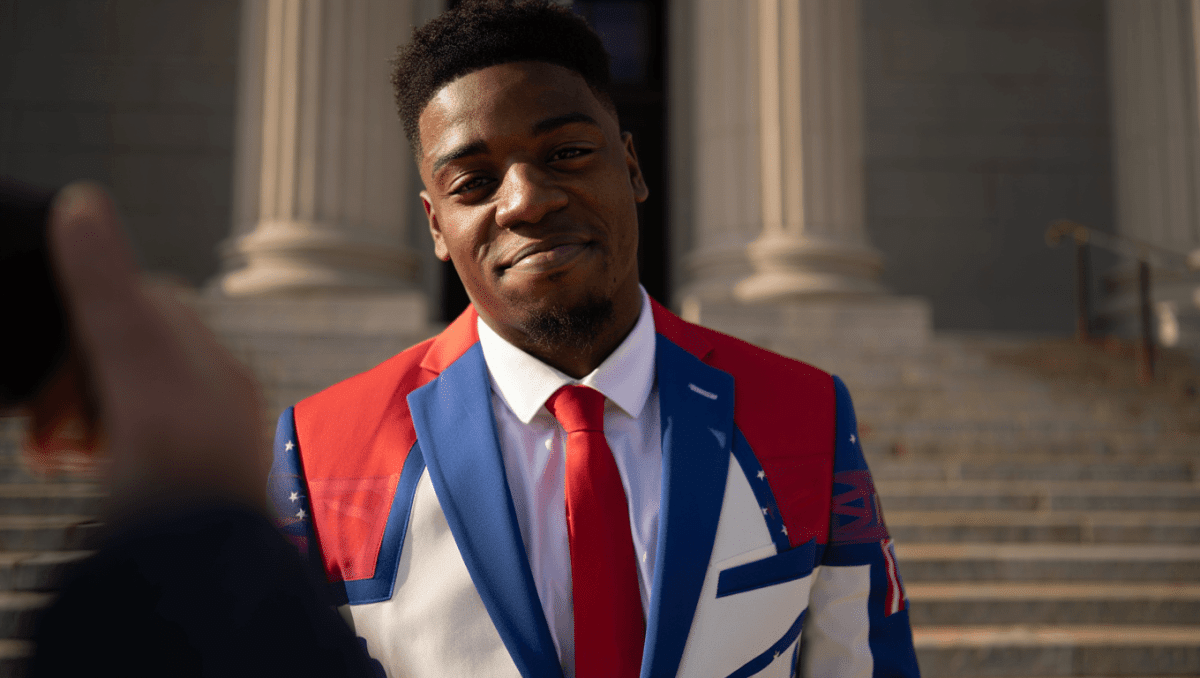
The three-day trial in March revealed extraordinary courtroom drama. Afroman testified wearing a flamboyant red, white, and blue suit, telling jurors he had a constitutional right to criticize the officers. “All of this is their fault, and they have the audacity to sue me,” he stated from the witness stand.
| Trial Element | Details |
| Date | March 18, 2026 verdict after three-day trial |
| Judge | Jonathan Hein presided over Adams County case |
| Afroman’s Attire | Red, white, and blue patriotic suit during testimony |
| Officer Reaction | Lisa Phillips wept repeatedly during musical video playback |
During testimony, one officer Lisa Phillips cried as a video labeled her “Licc’em Low Lisa” played for over ten minutes. Another deputy, Randolph L. Walters Jr., grew visibly angry when cross-examined about lyrics claiming Afroman had relations with his wife. The rapper’s lawyer, David Osborne, challenged him to prove the statement false, suggesting jurors couldn’t treat obvious parody as factual defamation.
“I got freedom of speech. After they run around my house with guns and kick down my door, I got the right to kick a can in my back yard, use my freedom of speech, and turn my bad times into a good time, yes I do.”
— Afroman, testifying at trial on March 17, 2026
First Amendment Victory Echoes Across Free Speech Landscape
The jury deliberated for just hours before returning a full verdict in Afroman’s favor. “In all circumstances, the jury finds in favor of the defendant,” Judge Jonathan Hein announced. The decision ruled that the rapper’s mockery qualified as protected artistic expression and parody under the First Amendment.
Osborne, the rapper’s defense lawyer, cited N.W.A.’s “Fuck Tha Police” and Richard Pryor’s comedy acts as examples of how powerful public officials must tolerate criticism. “What chilling effect does that have on the world we live in?” he asked jurors. “You don’t like what a public official does and you make a joke, and you’re dragged into court?” The jury agreed that artists cannot be silenced by lawsuits for hurt feelings.
What Does This Historic Verdict Mean for Free Speech and Artistic Expression?
The victory represents a landmark moment in the ongoing battle over free speech, privacy, and parody in the digital age. The American Civil Liberties Union had called the lawsuit against Afroman “nothing short of absurd” in 2023, arguing that public officials cannot weaponize courts to suppress criticism.
Legal experts note this verdict protects artists, comedians, musicians, and creators who use satire and mockery to criticize government conduct. Public officials now face a higher burden to prove defamation when dealing with clearly exaggerated artistic content. Afroman dodged a potential $3.9 million judgment and walked away with a jury validation of his constitutional rights to mock those in power.
Sources
- Billboard – Comprehensive trial coverage and verdict details with legal analysis of First Amendment implications
- The Washington Post – In-depth reporting on the case and broader free speech questions it raised
- NBC News – Breaking news coverage of jury verdict and reaction from both sides