Show summary Hide summary
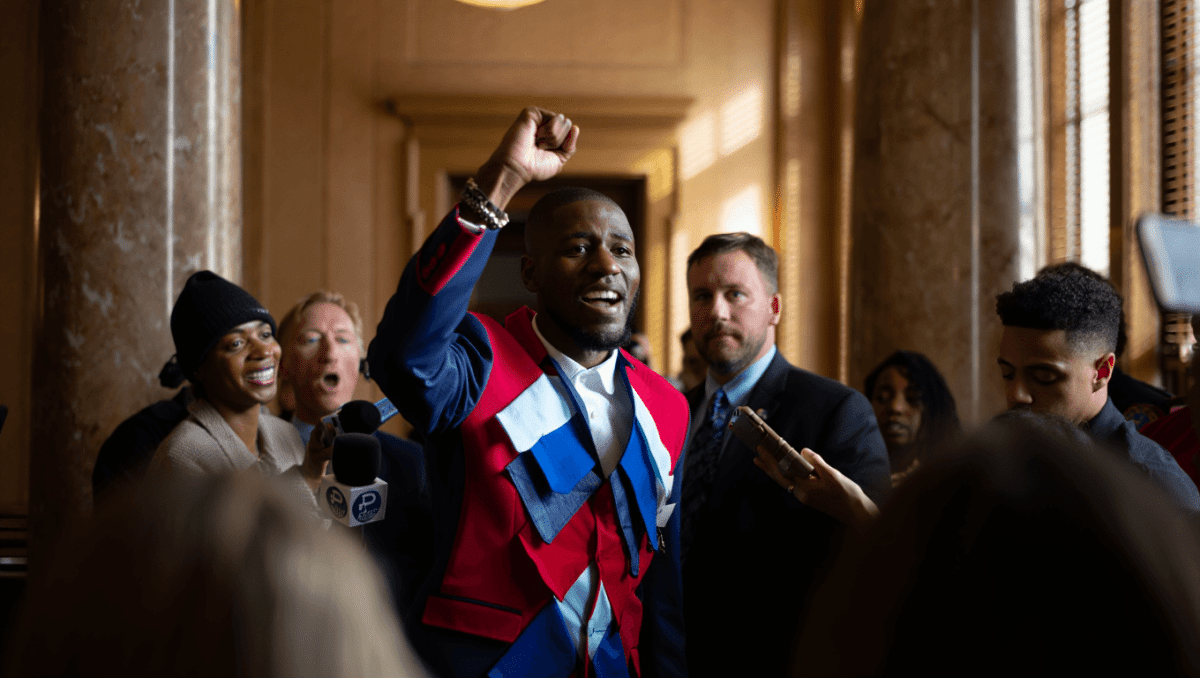
Rapper Afroman (Joseph Foreman) delivered a stunning courtroom triumph today as an Adams County jury ruled completely in his favor. The jury sided with the 51-year-old artist on every single claim brought by seven sheriff’s deputies who sued him over his viral “Lemon Pound Cake” music video. The verdict marks a landmark victory for free speech rights and protects artists who use raid footage in their creative work.
🔥 Quick Facts
- Trial Date: March 16-18, 2026 in Adams County, Ohio
- Verdict: Afroman won on all counts, defeating all claims from seven deputies
- The Raid: August 2022 search warrant execution found no wrongdoing by artist
- Legal Stakes: Deputies sought millions in damages, but jury awarded zero to plaintiffs
From Controversial Raid to Viral Music Video
In August 2022, law enforcement executed a search warrant at Afroman’s Ohio home investigating drug trafficking and kidnapping allegations. The rapper was not home when deputies forcibly broke through his front door with rifles drawn. No criminal charges were ever filed against him.
Security cameras captured the entire raid, and Afroman later used the footage creatively. The “Lemon Pound Cake” music video went massively viral, featuring surveillance clips of officers breaking down his door mixed with Afroman mocking the deputies. Some videos included actors portraying the officers and references to deputies by name. The footage exposed the failed raid that netted zero evidence of any crimes.
Adams County jury rules for Afroman on all 13 counts in deputies’ lawsuit, he wins
Jay Z announces first Yankee Stadium concerts in years, July 10-11
Seven Deputies Demand Millions in Damages
The officers retaliated with a civil lawsuit, claiming Afroman used their likenesses without permission and caused them emotional distress, humiliation, and even anonymous death threats. The deputies demanded substantial compensation. Lisa Phillips sought $1.5 million, while Brian Newland and Randy Walters each requested $1 million. Four other officers asked for an additional $400,000 combined.
The case hinged on whether the rapper’s use of surveillance footage and officer appearances violated privacy rights or constituted defamation under Ohio law. Attorneys for the deputies argued their clients suffered genuine harm. But Afroman’s defense team maintained the entire case centered on First Amendment protections.
| Factor | Details |
| Case Type | Defamation and Privacy Civil Lawsuit |
| Trial Length | 3 days (March 16-18, 2026) |
| Plaintiffs | 7 Adams County Sheriff Deputies |
| Verdict | Afroman won on all counts |
| Key Evidence | 15+ minute “Lemon Pound Cake” video shown to jury |
“If they hadn’t wrongly raided my house, there would be no lawsuit. There would be no songs. They’re suing me for their mistake.”
Afroman, Rapper
A Complete Free Speech Victory for Artists
The jury decisively sided with Afroman, rejecting every defamation and privacy claim brought by the deputies. This verdict sends a powerful message about First Amendment protections for creative expression. The jury determined that using publicly-recorded raid footage for satirical commentary constitutes protected speech.
Legal experts hailed the decision as a landmark win for artists and comedians. The case demonstrated that law enforcement cannot suppress criticism through civil lawsuits, even when that criticism is delivered via music videos and mockery. Afroman’s testimony emphasized he had every right to express his frustration about the raid that damaged his property.
What This Verdict Means for Creative Freedom Today
The Afroman verdict strengthens protections for anyone documenting police actions through art and satire. Courts nationwide now have clearer guidance that surveillance footage from public raids can be used in creative works without legal fear. The decision also reinforces that emotional distress claims cannot silence artistic expression, particularly when directed at public figures performing official duties.
Beyond the legal precedent, this case became a cultural moment about accountability and artistic freedom. Social media erupted with celebration over Afroman’s victory. The rapper, best known for early-2000s hits like “Because I Got High,” proved that viral moments can have lasting legal consequences for those who abuse their authority.