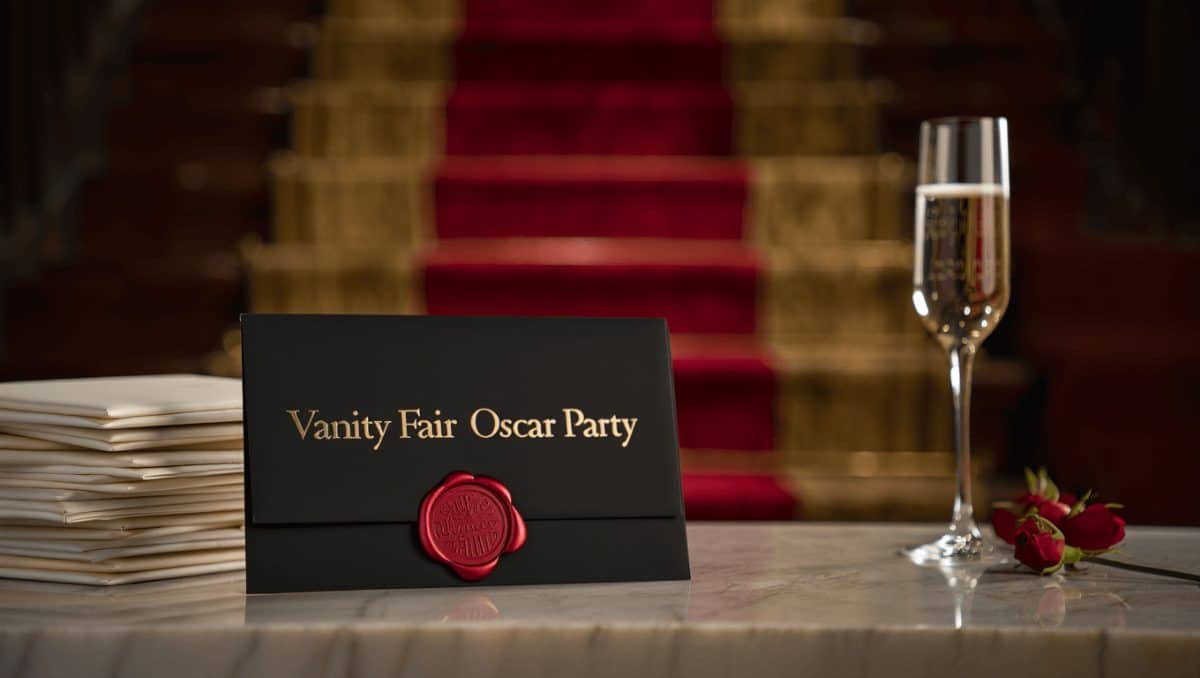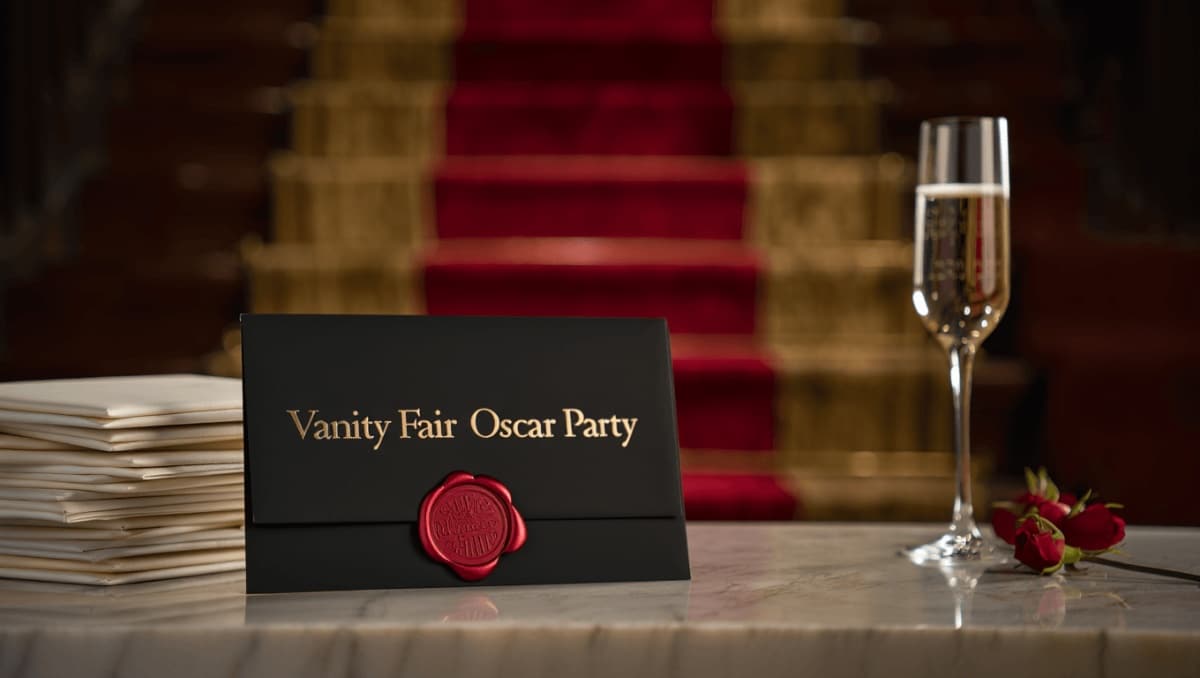
Vanity Fair is retooling its Oscar after-party in a move that reshapes who gets access — and where. Under new global editorial director Mark Guiducci, the annual post-ceremony celebration is relocating and tightening the guest list, a shift that has immediate implications for celebrity privacy and media coverage.
The event will leave its long-standing home in Beverly Hills for the campus of LACMA, a change organizers say aims to make the gathering feel more like an intimate industry moment than an open networking mixer. Insiders compare the new setup to major fashion fundraisers, where exclusivity and controlled sightlines shape the evening.
Guiducci, who joined from Vogue where he worked closely with Anna Wintour on high-profile events, has signaled a different editorial vision: fewer public-relations placards and a stronger emphasis on the nominees and the actors themselves. The stated goal is to create space for celebrities to unwind away from the constant presence of industry operatives and photographers.
Vanity Fair narrows guest list for new Oscar party, leaving many uninvited
Afroman lemon pound cake lawsuit: jury deliberates verdict as rapper defends free speech
That means a stricter door policy. Several major newsrooms and tabloid outlets have been told they will not be admitted inside the reception, though many of those same outlets will still line up along the exterior red carpet for interviews and photos. The shift reallocates reporting resources from the party floor to the arrival area.
- Not allowed inside (per sources): The New York Times, Los Angeles Times, Variety, The Washington Post, Page Six, The Associated Press, CNN, and The Hollywood Reporter.
Organizers are also exploring strict controls on in-event photography and social sharing. One proposed measure under discussion: physically covering smartphone lenses — an approach borrowed from other private venues — to limit live social posts and preserve a sense of seclusion for attendees.
For journalists and outlets, the practical effect is twofold: more time on the carpet capturing arrivals and fewer opportunities for unguarded moments inside the party. For stars and their teams, the redesign promises fewer unsolicited photographs and less real-time commentary about who is mingling with whom.
There are also cultural and logistical reasons why LACMA was chosen now. The museum’s new David Geffen Galleries are finishing an installation phase and will open their doors to members on April 19, adding a fresh, art-centric backdrop that aligns with Vanity Fair’s new direction.
Critics say the arrangement narrows access to editorial reporting and favors spectacle managed by event producers; supporters argue it restores privacy and elevates the guest experience. Either way, the change will shape how audiences see the Oscars’ after-hours life in headlines and social feeds.
The move also refocuses where coverage is generated: more polished arrival moments on the exterior, fewer candid takes from inside. Expect outlets to pile resources into red-carpet interviews while relying on official statements or curated moments released after the party for inside reporting.
What to watch next:
- Will smartphone lens covers be used on event night, and how will that be enforced?
- How will excluded newsrooms respond — legal pushback, alternative coverage, or amplified social reporting from the carpet?
- Will the LACMA setting alter the tone of the evening or inspire copycat changes at other awards after-parties?
This account is based on reporting published in the March 11 issue of The Hollywood Reporter and conversations with people involved in the event planning. The implications — for media access, celebrity privacy, and how cultural moments are captured — will be visible as the season’s events play out.