Show summary Hide summary
Gen Z embraces the “do nothing” trend to reset their attention spans. From TikTok creators documenting 15+ minute sessions of intentional boredom to psychotherapists confirming real benefits, this viral movement is redefining rest for a generation. But here’s the catch many discover too late: sitting silently with zero distractions is harder than it sounds.
🔥 Quick Facts
- Viral Challenge: Creator @katend06 accumulated 11+ million views demonstrating “raw dogging boredom” for 15 minutes daily
- Expert Support: Psychotherapist Stephanie Sarkis confirms intentional unplugging helps process emotions and improves focus
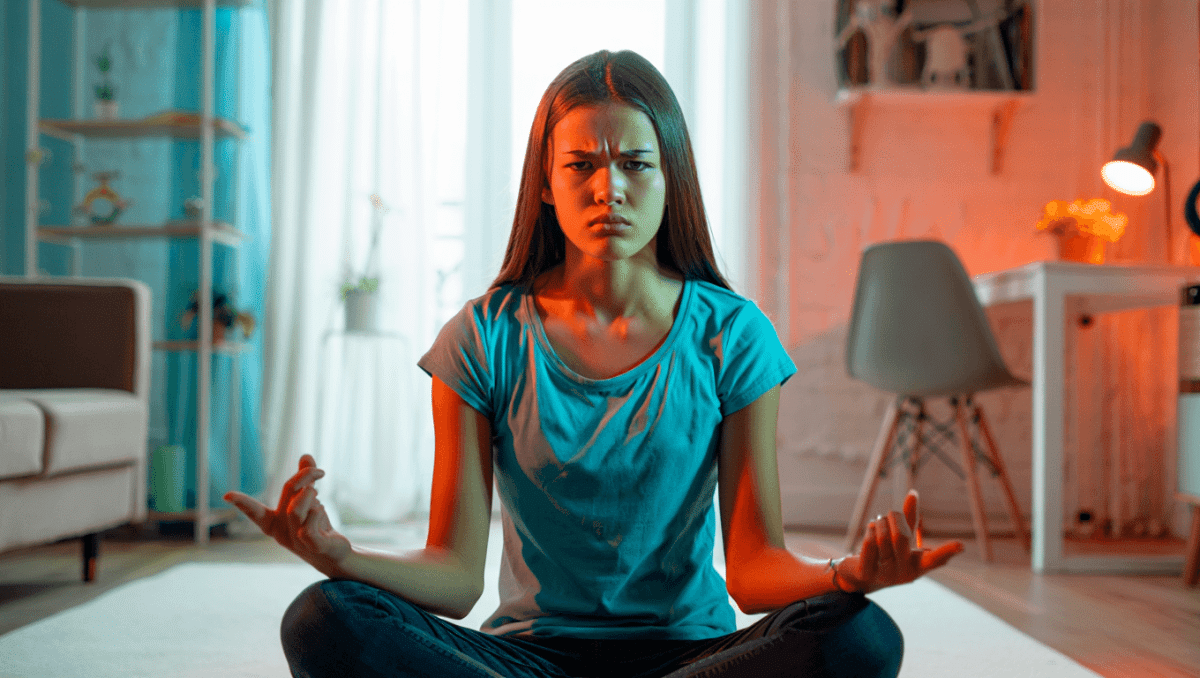
- The Struggle: Videos reveal participants fidgeting, fighting urges to check phones, and battling anxious thoughts during silence
- Science Backing: Research shows short-form video content negatively impacts attention spans, making this trend timely
What Is the “Do Nothing” Trend Exactly?
The “rawdogging boredom” movement started gaining traction on TikTok in late 2025. Young people set strict parameters: no phone, no TV, no music, and no distractions. Just sitting alone with their thoughts. Some creators film themselves attempting 15-minute sessions while others push toward longer durations. Creator Bradley James documented his attempt despite having severe ADHD, capturing honest moments of restlessness and reflection.
The name is provocative, yes, but the concept itself is simple. Gen Z has essentially rebranded what older generations call meditation or quiet time. Yet the challenge reveals something uncomfortable: many young people find sitting still almost emotionally painful. This struggle is precisely why the videos have resonated so powerfully across social media platforms.
Gen Z embraces ‘do nothing’ trend to reset attention spans, some say it’s harder than it sounds
Counting Crows’ Adam Duritz tapped to sing on Gang of Youths tracks
Why Is Intentional Boredom Suddenly This Hard?
Short-form video platforms like TikTok have rewired entire brains accustomed to constant stimulation. Research confirms that consuming endless scrolling feeds negatively impacts attention spans. Before the smartphone era, people naturally took breaks from stimulation. Today’s Gen Z experiences withdrawal symptoms when separated from notifications, feeds, and background noise.
Stephanie Sarkis, a psychotherapist specializing in ADHD and anxiety, explains the paradox clearly. She states: “Anytime that we can unplug and just be in the present moment is a healthy thing.” But unplugging first requires admitting the addiction exists. For many young people, that first 10 minutes of silence brings unexpected anxiety. The mind demands stimulation so intensely that boredom feels like pain.
What Experts Say About Mental Health Benefits
| Wellness Benefit | Expert Insight |
| Emotional Processing | Sitting with thoughts allows processing of feelings often numbed by technology |
| Attention Span Recovery | Deliberate stillness balances constant overstimulation from social platforms |
| Present Moment Awareness | Mindfulness practice improves quality of life and reduces anxiety symptoms |
| Saturation Recovery | Many people report reaching their “saturation point” and seeking grounded alternatives |
Sarkis emphasizes that processing feelings is a foundational life skill. Before social media existed, people naturally sat and contemplated their day. Today’s version, with structured timers and TikTok documentation, turns ancient wisdom into viral entertainment. But the underlying science remains unchanged: silence supports emotional health and cognitive recovery.
“Anytime that we can unplug and just be in the present moment is a healthy thing. When we aren’t doing something, and we’re sitting just with our thoughts, it can really help us process things that have happened to us, process feelings.”
— Stephanie Sarkis, Psychotherapist specializing in ADHD and Anxiety
The Viral Proof That Doing Nothing Is Actually Difficult
Creator @katend06 generated over 1.5 million likes on a single video of herself attempting a 15-minute boredom session. The footage shows genuine discomfort: fidgeting, staring into space, shifting positions constantly. Her honest reaction sparked a cultural conversation because millions recognized their own experience. Another creator, Bells, tested the challenge with a friend, using on-screen text to joke about one participant having severe ADHD.
These aren’t fake struggles for content. Psychotherapist Sarkis notes that many people reach a saturation point with constant digital connection. The trend reflects genuine hunger for grounded, present-moment living. Yet the difficulty proves just how far Gen Z has drifted from simple stillness. What should feel restful instead feels like climbing a mountain.
Can Gen Z Actually Master the Art of Intentional Idleness?
Success requires discipline and patience. Meditation experts recommend starting small: two-minute sessions for beginners, not 30-minute marathons. Comfortable clothing, quiet space, and focused breathing matter more than ambition. The goal isn’t perfect stillness but rather gentle awareness of what surfaces when the noise stops.
For Gen Z, this trend signals something deeper than a passing meme. Young people are actively seeking tools to reclaim their attention spans. They’re filming themselves struggling because struggle itself is honest. In a world of curated feeds and manufactured authenticity, raw boredom feels revolutionary. Whether the trend sustains depends on whether participants discover that genuine rest beats viral documentation.
Sources
- USA TODAY – “Gen Z has a viral hack to fix their attention spans. It may actually work.” by Charles Trepany, March 18, 2026
- People.com – “Members of Gen Z are Sitting in Silence to Reset Their Attention Spans. Some Say It’s Harder Than It Sounds” by Ashley Vega, March 17, 2026
- National Center for Biotechnology Information – Published research confirming negative impact of short-form video content on attention spans